
Misbehaviour (2020)
Director: Philippa Lowthorpe
Screenwriters: Gaby Chiappe, Rebecca Frayn
Starring: Keira Knightley, Gugu Mbatha-Raw, Jessie Buckley, Keeley Hawes, Phyllis Logan, Rhys Ifans, Greg Kinnear
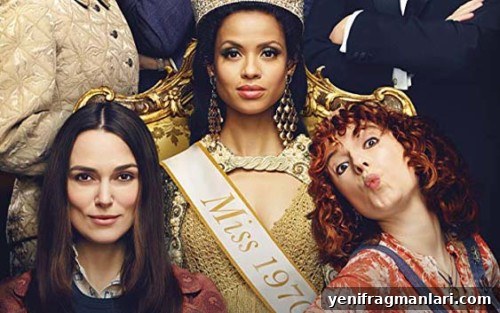
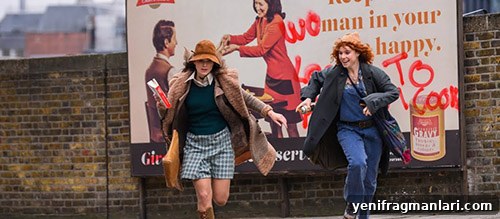
Misbehaviour, directed by Philippa Lowthorpe of television acclaim, dramatizes the Women’s Liberation protests that disrupted the 1970 Miss World contest. On paper it’s a historical drama; in tone it often chooses charm, warmth and light comedy to explore feminist politics, identity and the clash between public spectacle and private conviction.
The film deliberately resists caricature. It avoids reducing characters to simple archetypes: the activists are flawed and human, and the Miss World contestants are portrayed with dignity and nuance rather than as one-dimensional rivals. That refusal to simplify is one of the film’s strengths, allowing viewers to see how different priorities and life circumstances shape women’s choices.
Gugu Mbatha-Raw stands out with a compelling portrayal of Jennifer Hosten, a Miss World contestant whose presence raises questions about representation and inclusion within the feminist movement itself. Her character introduces a necessary critique of exclusionary tendencies—what is often called “white feminism”—and underscores the importance of intersectionality in any account of women’s rights.
Keira Knightley plays historian and activist Sally Alexander, a role that anchors the film’s moral and intellectual perspective. Sally’s insistence that the fight is against entrenched systems rather than individual women is a recurring and clarifying theme. Phyllis Logan gives a memorable turn as Evelyn Alexander, delivering a thoughtful speech about the tensions between personal responsibility and political engagement—about knowing when to step into the fray and when to protect family duties. That speech highlights how feminist struggles can require compromise and collective inclusion.
Jessie Buckley provides one of the most enjoyable performances as Jo Robinson. Buckley disrupts the stereotype of “the angry feminist” by blending warmth, bluntness and wit; her character is magnetic and often the film’s emotional center. These performances are supported by a solid ensemble that helps the movie maintain balance between comedy, drama and historical context.
The screenplay, from Gaby Chiappe and Rebecca Frayn, draws on real events and real people, and this closeness to history is both an asset and a limitation. The true-life inspirations behind the characters are intrinsically compelling, and at times the film feels like it might have been more powerful as a documentary where the factual details and archival materials could take center stage without the need to dramatize or streamline scenes.
One sequence that illustrates the film’s occasional awkwardness involves archival-style footage of Bob Hope’s Christmas show for Vietnam troops intercut with Greg Kinnear’s portrayal of Hope. The transition feels clumsy, calling attention to the filmmaking choices and budget limitations rather than enhancing the narrative. Moments like this expose a wider issue: the picture often leans toward a television-drama aesthetic rather than embracing a bolder cinematic style.
In a year when other films demanded big-screen spectacle—films such as The Lighthouse, Parasite and 1917—Misbehaviour sometimes feels too restrained. Whether that restraint comes from a desire to keep the focus on the story’s historical truth or simply from a conservative visual approach, the result is a movie that informs and entertains more than it overwhelms. It’s a strong, well-intentioned piece that occasionally plays it safe.
Despite those shortcomings, the film succeeds on the level that matters most: it introduces a little-known episode of feminist history to a wider audience and gives voice to multiple perspectives within the movement. It emphasizes that progress is complicated and rarely neat, and it highlights individual courage as well as collective action.
Ultimately, Misbehaviour is less a grand cinematic event and more an engaging, informative drama you’ll be glad to see. The performances—especially from Mbatha-Raw, Knightley and Buckley—make it worthwhile, and its insistence on nuance and inclusion is timely. If you watch it on television rather than in a theater, you won’t lose much; the story and the characters are what linger.
15/24