
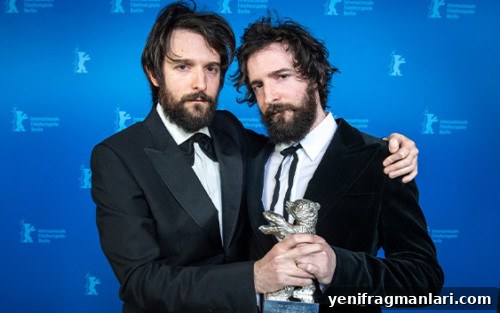
The D’Innocenzo Brothers returned to the Berlinale with their second feature, Bad Tales (Favolacce), marking a significant milestone for emerging filmmakers who find their voice through international festivals. Their debut, Boys Cry, screened in Berlin’s Panorama section in 2018. Bad Tales later competed in the main competition alongside established auteurs, vying for the Golden Bear — the festival prize that in 2020 went to the film There Is No Evil.
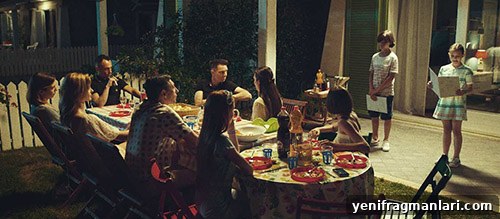
Still from Bad Tales (Favolacce).
Set in a detached suburb of Rome, Bad Tales follows several families over the course of a long summer, exposing the brittle relationships and simmering tensions that underlie seemingly comfortable lives. The film’s ensemble cast charts the emotional shifts of children on the cusp of adolescence as they encounter distant or volatile parents. The story explores how young minds absorb and react to adult behaviour — and how the consequences of those adult choices reverberate through a community.
The brothers describe Bad Tales as a long-gestating project. Damiano D’Innocenzo revealed that they first conceived the script when they were nine years old, and felt the need to revisit and realise it now that they can approach childhood and adulthood with more perspective. For Damiano and Fabio, the film is not a tale of intergenerational revenge. Instead, they frame it as an intimate portrait of a childhood anger that is profound yet not vindictive — an emotional state they describe as possessing a kind of virginal innocence.
Asked whether the children’s anger represented a rejection of parental attempts to shape their futures, Damiano reflected that children possess “a strange way of looking” at the world, an unfiltered vision gradually diminished by adulthood. As adults increasingly suppress their inner lives, that unique childhood gaze is lost. The brothers aim to capture that fragile viewpoint: a cinematic observation of a reality “surrounded by harshness,” rendered in a sunny palette and a slow, contemplative rhythm that conceals darker currents beneath the surface.
Working with a largely young cast posed practical and ethical considerations. The four main child actors, who did not attend the press conference, were treated with particular care. The directors initially considered an acting coach but decided against introducing an intermediary, preferring direct contact so as not to filter performances. Aware of the responsibility that comes with filming sensitive material with minors, the brothers limited how much of the plot each child knew, revealing only the immediate elements needed to perform a scene. This approach aimed to protect the actors while preserving authentic reactions.
Actors on the production praised the directors’ collaborative spirit. Ileana D’Ambra, who plays Vilma — a heavily pregnant teenager who drifts on the edges of the children’s world — said she felt fortunate to have space for improvisation during her first film experience. Barbara Chichiarelli, portraying Dalila, Dennis’s mother, echoed that sentiment, noting that permission to improvise encouraged the cast to adopt a creative, almost authorial role in shaping their characters.
The D’Innocenzo Brothers’ working method is instinctive and flexible: they share directing duties fluidly, shifting who takes the lead depending on the scene’s needs rather than preset roles. They credited producers Paolo Del Brocco and Giuseppe Sacca for giving them the freedom to work unfettered, even when the brothers’ methods seemed unconventional.
Bad Tales balances a deceptive calm with a growing unease — a tone that underscores its themes of childhood observation, hidden violence, and the corrosive effects of adult behaviour on young psyches. The film’s use of naturalistic performances, deliberate pacing, and a bright visual palette creates a haunting contrast that lingers after the credits roll.
Bad Tales was scheduled for release in Italy on 16 April; no UK or US release dates had been announced at the time of reporting.
Article by Rose Dymock
You can support Rose Dymock in the following places:
Portfolio – Rose Dymock
Twitter – @rosedymock