
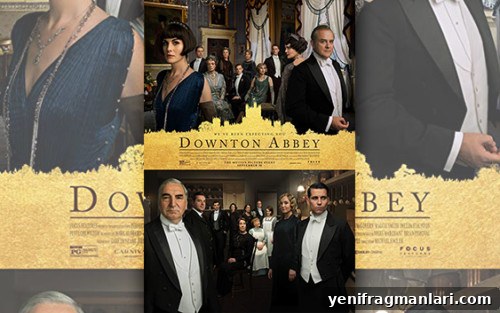
Downton Abbey (2019)
Director: Michael Engler
Screenwriter: Julian Fellowes
Starring: Hugh Bonneville, Jim Carter, Michelle Dockery, Elizabeth McGovern, Maggie Smith, Imelda Staunton, Penelope Wilton.
As a long-time admirer of the television series, I approached the Downton Abbey film with equal parts enthusiasm and apprehension. The series concluded with many characters’ journeys neatly resolved, so the idea of a theatrical return raised an obvious question: could the film add anything meaningful without undoing what the show had already accomplished? Unfortunately, the 2019 Downton Abbey movie often feels less like a fresh story and more like a glossy, two-hour visit back to the house—a reunion built more for spectacle and recognition than for narrative depth.
The film opens in cinematic fashion with classic, crowd-pleasing tropes: a royal letter travels from Buckingham Palace to Yorkshire, anticipation builds as the camera advances toward the estate, and the familiar theme swells. The premise is straightforward—King George V and Queen Mary will be visiting Downton, and the household must prepare. From there the plot becomes largely logistical: cleaning, preparing rooms, and arranging etiquette. These preparations are shown through montage and voiceover, a decision that repeatedly tells rather than shows the urgency and intimacy the series once earned by allowing scenes to breathe and characters to develop.
Much of the film’s tension is manufactured by reverting completed arcs into convenient conflicts. For example, Carson, portrayed by Jim Carter, returns to his full-time role as butler despite an illness that had previously kept him away; the comeback feels like a reset button pushed to line up familiar faces rather than a meaningful continuation of his trajectory. Returning cast members populate the frame, and while their presence is gratifying on a fan level, their portrayals are often reduced to recognizable traits rather than fully rounded people. The film treats these figures like cherished postcards—beautiful to look at but flattened by distance.
On the comic side, the movie relies on broad strokes that seldom land with the subtlety fans expect. Maggie Smith remains a standout—her Dowager Countess provides the film’s sharpest moments—but even her wit is leveraged frequently for quick laughs rather than woven subtly into character-driven beats. Cameos, including Mark Addy as a shopkeeper, interrupt the tonal flow; they feel like producer-driven name drops intended to spark recognition rather than to serve story or character development.
Plot developments are often obvious and hurried. The film delivers few surprises and leans heavily on the trailer’s revealed moments; there is little in the way of narrative twists that deepen our understanding of the characters or their social context. That is a missed opportunity because the original series found much of its power in exploring social change—class, gender, labor, and morality—through personal stories. Here, those issues are mentioned but rarely examined; they become checklist items rather than themes that inform motivation or consequence. Julian Fellowes attempts to touch on several major topics—aristocracy, class tensions, feminism, nationalism, and homosexuality—within limited screen time, but the film only skims their surfaces, leaving them incidental rather than integral.
Some individual arcs do find a satisfying moment: Barrow, played by Robert James-Collier, receives a thread of hope that feels earned and resonant. Yet even this bright spot cannot fully compensate for the film’s broader shortcomings. The emotional core that sustained the television series—slow, patient development that rewarded viewers’ investment in characters—feels absent. Instead, the movie emphasizes ceremony, costumes, and spectacle. It’s a well-crafted postcard of Downton, but it rarely commits to the inner life that made the show meaningful.
In the end, Downton Abbey (2019) reads as an affectionate but ultimately unnecessary extension of the series. It offers moments of pleasure for dedicated fans who want to see the characters together on a grand stage, but it also strips away much of the depth and social conscience that gave the original its weight. The film will satisfy viewers seeking a polished, nostalgic experience, but those looking for new emotional insights or bold storytelling will likely be disappointed.
8/24
As Daisy (Sophie McShera) ruefully observes in the film, “I don’t know why I bothered.”