
Unhinged (2020)
Director: Derrick Borte
Screenwriter: Carl Ellsworth
Starring: Russell Crowe, Caren Pistorius, Jimmi Simpson, Gabriel Bateman, Austin P. McKenzie
Unhinged is a lean, tense thriller that trades blockbuster gloss for a straight-ahead, old-school sense of menace. Directed by Derrick Borte and written by Carl Ellsworth, the film hinges on a simple but effective premise: a chance encounter spirals into a violent, relentless pursuit. With Russell Crowe in the role of a disturbingly focused antagonist, the movie delivers a compact, often uncomfortable portrait of rage and the fallout it causes.
The screenplay relies on a “wrong place, wrong time” setup that asks the audience to accept a few logical gaps, but it compensates with forceful character work and steady momentum. Borte stages the film to keep the pressure on, rarely detouring into unnecessary subplots. The result is a taut, suspenseful experience that feels less like a modern summer spectacle and more like a throwback thriller—one that evokes the tense social commentary of earlier films in the genre.
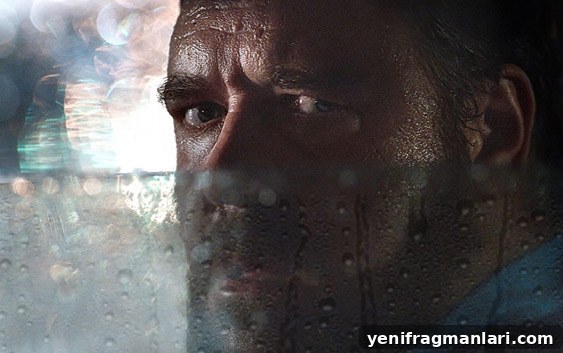
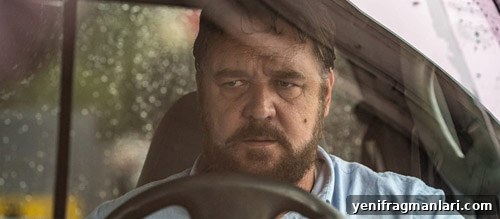
At the core of the film is Russell Crowe’s performance as a menacing and unpredictable figure credited simply as “The Man.” Crowe brings a physically imposing presence and simmering intensity to the role. His character’s aggression is performed without sympathy; he is less an explained antagonist than an emblem of unchecked fury. Crowe’s sizing-up of every frame—his truck that dwarfs other vehicles, his looming posture in close-ups—creates an ever-present sense of threat that the film exploits consistently. Small inconsistencies in accent or delivery don’t undermine the overall impact: the role demands a forceful central performance, and Crowe supplies it.
Opposite him, Caren Pistorius plays Rachel, the film’s central target. Pistorius anchors the film’s emotional throughline with a believable blend of fear and resolve. Her performance gives the audience a living, dependent reason to root for survival rather than mere plot propulsion. The dynamic between hunter and hunted becomes the vehicle for much of the film’s thematic weight—particularly around power, privilege, and gender.
By positioning the pursued as a woman who shares some life circumstances with her pursuer, Unhinged gestures toward contemporary issues of male entitlement and gendered violence. The film repeatedly places the antagonist physically above Rachel in shots, a visual shorthand for the social and physical advantages he exploits. That framing, combined with his explosive inability to process grief or frustration, reads as a commentary on how aggression can escalate into danger for those with less power in ordinary encounters.
Borte’s direction emphasizes atmosphere and escalation. The film rarely lingers for sympathy or diversion; it moves from tense confrontation to sharper violence with a clarity that keeps viewers engaged. A few moments drift into borderline melodrama, and the final act contains an overused beat that undercuts the otherwise disciplined build-up. Still, these flaws are relatively minor next to the film’s strengths: purposeful editing, an economy of characterization, and a strong central duel between Crowe and Pistorius.
Supporting players contribute solidly without distracting from the main conflict. The film avoids swelling its cast with filler characters, choosing instead to tighten focus on the immediate psychological and physical stakes. That choice pays off: the narrative remains urgent and compact, and the thematic points about anger, accountability, and vulnerability come through without heavy-handedness.
Stylistically, Unhinged opts for raw immediacy rather than art-house distance. The cinematography and sound design work together to sustain a claustrophobic feeling even in broad daylight and open roads. Practical production choices—Crowe’s truck dominating the road, close framing during confrontations—help preserve credibility and tension. The film’s modern-day setting makes its scares feel unnervingly plausible: the antagonist is not a supernatural figure but someone who could be any stranger you meet.
On balance, Unhinged is not a flawless picture. It leans on a handful of genre conventions and ends with a contrivance that may frustrate viewers looking for a more subtle resolution. Yet its virtues—the commanding lead performance, tight pacing, and focused thematic concerns—make it a rewarding watch for fans of compact thrillers. It’s a solid return to suspense-driven storytelling, a film that uses the basics of tension and performance to deliver an effective, if occasionally loud, examination of contemporary rage.
12/24