
Saint Maud (2019/20)
Director: Rose Glass
Screenwriter: Rose Glass
Starring: Morfydd Clark, Jennifer Ehle, Lily Knight, Lily Frazer, Turlough Convery, Rosie Sansom, Marcus Hutton
In recent years the indie horror scene has shifted away from cheap jump scares and toward quiet, atmospheric dread. Films such as The Witch, It Follows and Hereditary helped steer the genre toward psychological intensity, slow-burn tension and thematic depth. Rose Glass’s Saint Maud continues that trend as a confident and unsettling directorial debut that firmly announces Morfydd Clark as a performer to watch.
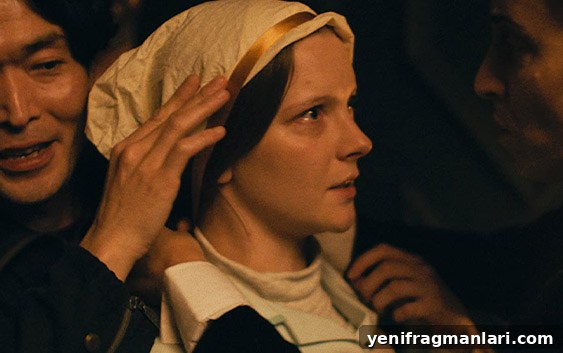
Saint Maud centers on Maud, a devout young nurse who takes a job caring for Amanda, a former dancer now facing terminal cancer. Maud believes she is guided by divine messages and becomes determined to save Amanda’s soul before she dies. As she immerses herself in her mission, buried parts of Maud’s past resurface and her faith—and sanity—are increasingly put to the test.
What makes Saint Maud striking is its unorthodox portrayal of religion. Faith itself is not demonized, but the film interrogates what happens when belief becomes the sole axis of a person’s life. Maud’s devotion morphs into a kind of obsession: she prioritizes spiritual duty over human comfort and interprets suffering as a direct route to holiness. Her actions are driven less by compassion than by an imperative to prove herself worthy, which creates a chilling moral imbalance.
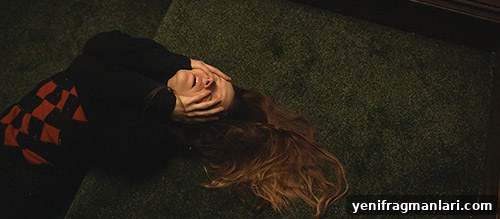
The story plays with the line between divine inspiration and psychological collapse. The presence that Maud perceives—whether God, the Devil, or a projection of her own mind—alternately consoles and torments her. Rose Glass stages these moments with unnerving intimacy: Maud’s ecstasies and agonies are presented as intensely physical experiences, and the film refuses easy answers about their source. At times the guidance she receives feels less transcendent and more like the manipulations of an abusive, possessive partner, which only deepens the film’s psychological complexity.
Visually and aurally, Saint Maud is precise and purposeful. Ben Fordesman’s cinematography crafts a world that feels both claustrophobic and painterly, while Adam Janota Bzowski’s score provides a low, insistent undercurrent that amplifies dread without resorting to melodrama. The restrained use of practical effects and carefully composed shots makes the film’s more shocking moments land with real force; the slow burn of the first two acts pays off in a final sequence that is as harrowing as it is unforgettable.
Morfydd Clark delivers a performance of rare commitment. She renders Maud simultaneously sympathetic and terrifying, a woman who clearly wants to do good yet is capable of harm when her convictions harden into fanaticism. Supporting players—including Jennifer Ehle as Amanda—provide counterpoints that highlight Maud’s increasingly dangerous self-absorption: Amanda’s desire to live fully, even while terminally ill, clashes with Maud’s insistence that suffering must mean something spiritual.
Pacing may be divisive. The film is deliberate, prioritizing mood and character over action. Viewers looking for a conventional horror plot or fast pacing may find it slow or oppressive; others will appreciate its careful construction and immersive atmosphere. The film’s unsettling quality comes not only from a handful of visceral beats but from its sustained commitment to psychological tension and moral ambiguity.
Saint Maud asks difficult questions about the nature of faith and the dangers of single-minded devotion. It suggests that belief can sustain people, but when belief becomes totalizing—when it excludes other sources of meaning and human connection—it can also become destructive. That moral center, combined with striking filmmaking and a powerful lead performance, makes Saint Maud a memorable entry in contemporary psychological and religious horror.
20/24