
To Die For (1995)
Director: Gus Van Sant
Screenwriter: Buck Henry
Starring: Nicole Kidman, Matt Dillon, Joaquin Phoenix, Casey Affleck, Illeana Douglas, Alison Folland, Wayne Knight
“To Die For” is a sharp, darkly funny examination of ambition, manipulation, and the intoxicating lure of television fame. Directed by Gus Van Sant and adapted by Buck Henry from Joyce Maynard’s 1992 novel (itself inspired by the Pamela Smart case), the film explores how a single-minded woman uses charm, sexuality, and calculated cruelty to pursue her dream of becoming a television personality. On its 25th anniversary, the film remains provocative in its treatment of grooming, power dynamics, and the cultural expectations placed on women in the years leading up to the new millennium.
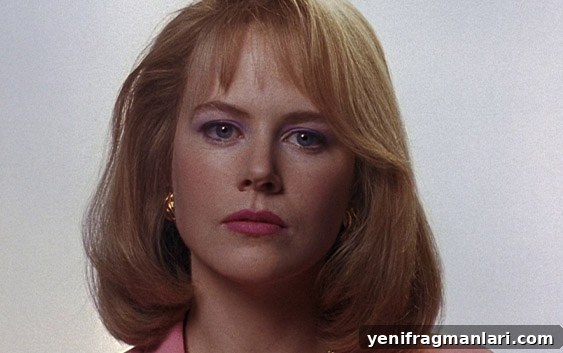
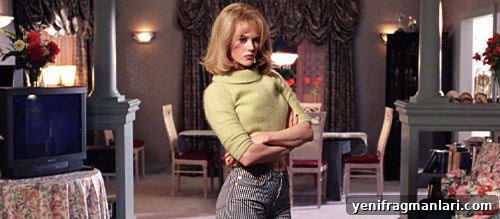
Nicole Kidman gives a magnetic, chilling performance as Suzanne Stone. She balances glamour and menace with precision: Suzanne’s sunny, camera-ready smile conceals a core of ruthless ambition. Kidman inhabits the role fully, delivering direct-address monologues and scenes of quiet, unnerving control that keep the audience both attracted to and repelled by the character. The costume and styling amplify Suzanne’s persona, presenting her as a memorable 1990s blonde archetype who uses style as part of her public weaponry.
The film traces Suzanne’s calculated ascent in a small-town television station where she initially appears to be the ideal on-screen presence. Early scenes suggest empowerment—Suzanne refuses to accept the crude advances of a sleazy network executive and instead insists on earning her place through relentless work and daring reporting. But that empowerment curdles as Suzanne’s drive becomes manipulative and destructive. Rather than confronting the systemic sexism of the industry in a sustainable way, she weaponizes intimacy and influence, grooming impressionable teens and ultimately convincing them to commit murder to secure her own status.
Joaquin Phoenix, only twenty at the time, is deeply affecting as James “Jimmy” Emmett. Phoenix captures Jimmy’s vulnerability and yearning with a rawness that makes his manipulation tragic rather than merely a plot device. His earnest infatuation and adolescent idealism provide a painful counterpoint to Suzanne’s calculated coldness. The supporting cast—including Matt Dillon, Casey Affleck, Illeana Douglas, Alison Folland, and Wayne Knight—adds texture and realism to the world around Suzanne, underscoring how ordinary lives are distorted by celebrity fixation and moral compromise.
Gus Van Sant’s direction mixes satirical bite with an atmospheric sensitivity. He leans into moments of dark comedy without undercutting the film’s emotional weight, allowing the viewer to feel the disturbing consequences of Suzanne’s choices. The cinematography and pacing sustain a tone that is equal parts glossy television satire and uncomfortable character study. Danny Elfman’s score provides an effective, haunting backdrop that contrasts the film’s bright, television-ready surfaces with the moral rot underneath.
Thematically, “To Die For” resonates as a critique of media culture’s appetite for fame and spectacle. It interrogates how ambition can be encouraged and distorted by an industry that rewards image over substance, and how vulnerability—particularly in young people—can be exploited by those who know how to perform confidence. The film does not shy away from uncomfortable questions about culpability, influence, and the societal pressures that shape identity in a media-driven age.
Tonally, the film moves between satire and psychological thriller, and its ending delivers a kind of ironic closure that feels both satisfying and pointed. Van Sant resists simplistic moralizing; instead, he stages a narrative that invites viewers to consider the intersections of charm, coercion, and culpability. The result is a work that remains watchable and thought-provoking decades after its release.
On its silver anniversary, “To Die For” stands as one of Gus Van Sant’s most engaging and challenging films of the 1990s. Its performances—most notably from Nicole Kidman and Joaquin Phoenix—its sharp screenplay, and its keen social commentary make it a memorable study of ambition run amok. For viewers interested in films that interrogate fame, gender, and media ethics, “To Die For” continues to offer both entertainment and uncomfortable reflection.
18/24