
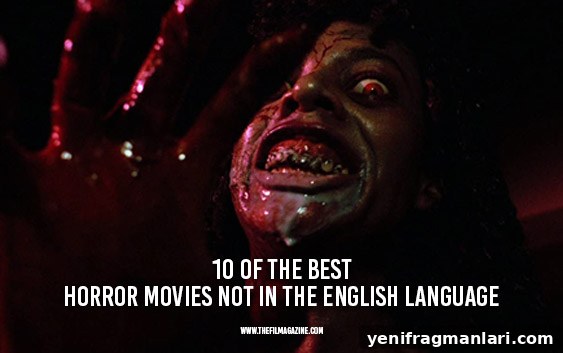
Classic English-language horror like William Friedkin’s The Exorcist (1973) and John Carpenter’s Halloween (1978) remain timeless, but exploring outstanding horror films produced outside the English-speaking world opens a far richer and more varied spectrum of fear. From Italian Giallo and Japanese J-horror to the New French Extreme and modern genre work across Europe, Asia and Latin America, international horror showcases distinct voices, cultural anxieties and inventive filmmaking techniques. These films often reveal directors and styles that mainstream audiences might otherwise miss, proving that horror is one of the most globally diverse and influential genres in cinema.
Below is a curated list of 10 of the best horror films not in the English language. Each title is selected for its artistic strength, critical reputation and lasting influence among horror fans. The list is ranked from ten to one and aims to introduce both essential classics and bold contemporary entries for anyone looking to expand their international horror viewing.
Share your thoughts in the comments below and follow our channels to stay updated on more lists and recommendations.
10. The Happiness of the Katakuris (2001)
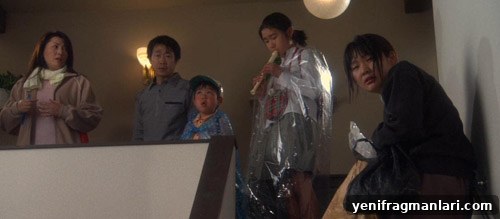
Directed by the prolific and unpredictable Takashi Miike, The Happiness of the Katakuris is a wildly imaginative blend of musical, comedy and horror that defies easy categorization. Full of dark humour, surreal set pieces and unexpected tonal shifts, the film turns a family-run inn into a stage for both slapstick and genuine unease. Miike’s fearless approach to genre-mixing makes this movie unforgettable and a perfect gateway into his broader, unconventional body of work.
9. Pulse (2001)
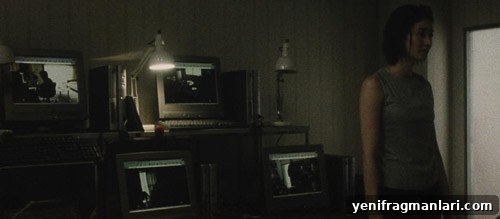
Kiyoshi Kurosawa’s Pulse captures turn-of-the-century anxieties about technology and isolation with restraint and creeping dread. Set in an ever-emptying Tokyo, the film imagines a world where people vanish into the network, turning everyday digital connections into sources of existential terror. Rather than sensationalizing technology, Pulse translates social paranoia into atmospheric, slow-burn horror, relying on bleak visuals and haunting silence to build sustained unease.
8. Demons (1985)
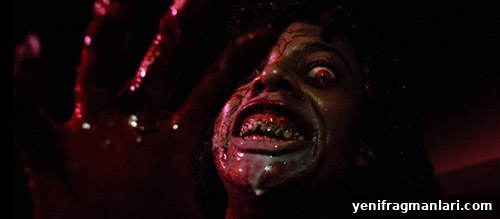
Lamberto Bava’s Demons is an energetic Italian shocker that plays like a love letter to genre crowd-pleasers. Set almost entirely inside a movie theatre, it splices graphic practical effects, bold colour palettes and a pounding 1980s soundtrack into a gory, gleeful nightmare. While it nods to Giallo traditions, its accessible premise and relentless momentum make it an ideal introduction to Italian horror for mainstream viewers.
7. Tetsuo: The Iron Man (1989)

Shinya Tsukamoto’s Tetsuo: The Iron Man is a visceral, nightmarish experiment in body horror and industrial surrealism. In just over an hour, it compresses frantic editing, metallic imagery and grotesque transformation into a hallucinatory experience that influenced filmmakers worldwide. Challenging and uncompromising, the film is a landmark of experimental horror that continues to unsettle and inspire.
6. Let the Right One In (2008)
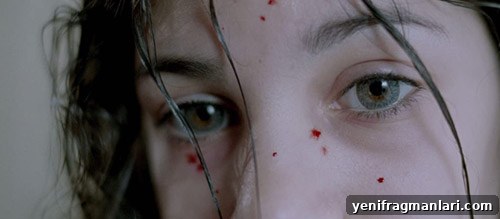
Tomas Alfredson’s Let the Right One In revitalized vampire cinema with a quietly devastating story about loneliness, friendship and violence set in 1980s Sweden. Focusing on the relationship between a bullied boy and a mysterious child, the film balances tender human drama with chilling supernatural elements. Its careful character work and melancholic atmosphere make it a moving and deeply memorable entry in modern horror.
Recommended reading: 10 Best Movie Vampires
5. REC (2007)

Jaume Balagueró and Paco Plaza’s REC is a benchmark for found-footage horror, renewing the format with claustrophobic tension and unrelenting immediacy. Presented largely as a documentary-style recording of a night when a sealed apartment block descends into infection and violence, the film’s pacing and confined location ratchet terror to near-unbearable levels. It remains a masterclass in building suspense through perspective and sound design.
Recommended reading: 10 Best Found-Footage Horror Movies
4. Ringu (1998)
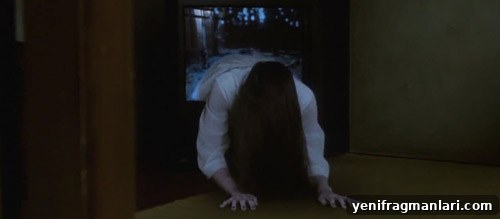
Hideo Nakata’s Ringu transformed J-horror into a global phenomenon with its elegantly simple premise: a cursed videotape that condemns viewers to death seven days after watching. The film’s slow escalation, eerie imagery and focus on ordinary spaces turned familiar technology into a conduit for dread. Ringu is a tightly controlled supernatural thriller that keeps audiences on edge with mounting suspense and dread.
Recommended reading: The 10 Best Horror Movies of the 90s
3. Train to Busan (2016)
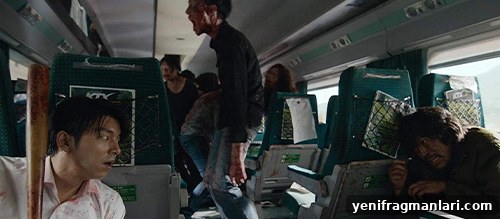
Yeon Sang-ho’s Train to Busan combines high-octane zombie action with sincere emotional stakes on a crowded passenger train. As a regional outbreak becomes a full-blown apocalypse, the film uses its confined setting to heighten tension while developing compelling characters whose relationships give the spectacle real weight. Fast-paced, affecting and visually inventive, it’s both an exhilarating thriller and a moving human drama.
Recommended reading: Top 10 Zombie Movies
2. Inside (2007)

Julien Maury and Alexandre Bustillo’s Inside is a relentless French horror that hones the home invasion subgenre into a brutal, tense one-night ordeal. Centered on a pregnant woman defending herself against a merciless attacker, the film excels through tight staging, relentless pacing and a harrowing central performance. Its stark intensity and inventive brutality make it a standout modern slasher.
1. Raw (2016)
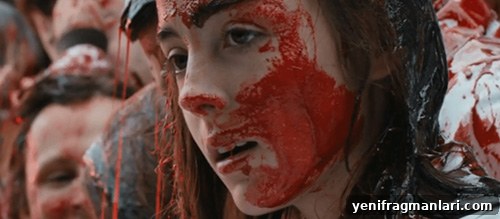
Julia Ducournau’s Raw earns the top spot for its fearless, visceral exploration of identity, appetite and transformation. Following Justine, a young veterinary student whose initiation into university life triggers a shocking discovery of cannibalistic urges, the film balances gruesome body-horror imagery with psychological depth and coming-of-age themes. Ducournau’s assured direction and Garance Marillier’s committed performance turn provocative material into an affecting and unforgettable work of contemporary horror.
Recommended reading: The Best Films of the New French Extreme
This list highlights a range of styles—from slow-burn psychological dread to kinetic, effects-driven shock—showing how international horror continues to innovate and provoke. Which films would you add or replace? Share your recommendations and discoveries in the comments below.