
The Kid (1921)
Director: Charlie Chaplin
Screenwriter: Charlie Chaplin
Starring: Charlie Chaplin, Jackie Coogan, Edna Purviance, Carl Miller, Walter Lynch
Issues such as economic inequality, social prejudice and the harsh treatment of women have long been central themes in cinema, but rarely have they been presented with the blend of innocence, wit and emotional warmth that defines Charlie Chaplin’s work. Released a century ago in 1921, The Kid stands out as one of Chaplin’s most influential features—an accomplished, humane, and surprisingly modern portrait of poverty, family and resilience told through silent-era slapstick and tenderness.
Chaplin—already a global star thanks to his iconic Tramp character—wrote, directed and starred in The Kid, pairing his physical comedy with pointed social observation. The Tramp, a small man with baggy clothes, a toothbrush mustache and oversized shoes, is both comic and vulnerable; his gestures and expressions are universally readable and, in this film, carry the weight of a deeper moral argument about compassion and social responsibility.
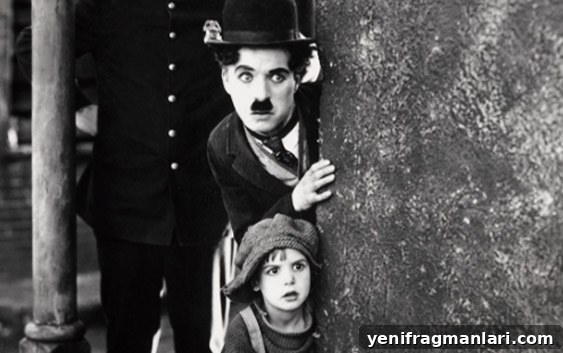
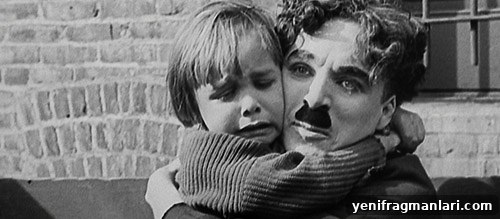
The story follows the Tramp after he finds an abandoned infant in the trash and, moved by a note left by the child’s desperate mother, decides to raise the boy himself. Chaplin casts the child as Jackie Coogan’s lively, mischievous Kid, and the film tracks their improvised family life as they face hunger, police attention and the constant threat of institutional intervention. Parallel to their struggles is the woman’s own journey—Edna Purviance’s character, known simply as The Woman, pursues a different fate after abandoning her child in hope of giving it a chance at a better life.
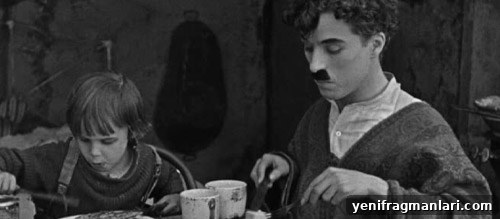
Chaplin combines pointed social commentary with expertly staged comedic sequences. Many scenes are structured like extended gags, building tension by positioning the audience as an amused, omniscient observer waiting for disaster to unfold—then delighting in the way it does. Chaplin’s timing, physicality and ability to subvert expectations produce repeated laughs, but the film never sacrifices its emotional core. The bond between the Tramp and the Kid feels authentic and moving; the comedy serves the characters rather than overshadowing them.
Technically and stylistically, The Kid is also notable. Chaplin uses visual devices such as iris fades and title cards to mark time and shape the film’s emotional beats. A memorable dreamlike sequence in the third act, where the Tramp imagines going to heaven and being reunited with his son, is handled with soft fades and playful visual touches that were innovative for the era and remain affecting today. Those moments illustrate Chaplin’s instinct for blending cinematic form with narrative feeling—an approach that influenced later filmmakers who mixed whimsy with social critique.
At its heart, The Kid criticizes social structures rather than individuals: an indifferent orphanage system, police enforcement that favors rules over compassion, and a society that punishes women for pregnancy outside marriage while excusing men. Chaplin’s film voices empathy for the poor and vulnerable and indicts institutions that fail them. This moral stance marked Chaplin’s career and contributed to controversies he would face later, but it also gives The Kid a moral clarity that feels relevant across generations.
After a century of historical change, the film retains a striking immediacy. Its blend of humor and social conscience makes it accessible to general audiences while also rewarding deeper reflection from cinephiles and critics. At roughly 53 minutes, the movie is concise yet richly layered—funny, tender and politically aware in ways that still resonate.
24/24