
Men (2022)
Director: Alex Garland
Screenwriter: Alex Garland
Starring: Jessie Buckley, Rory Kinnear, Paapa Essiedu, Gayle Rankin, Sarah Twomey, Zak Rothera-Oxley, Sonoya Mizuno
Men, perhaps better described as an exercise in unsettling folklore and psychological dread, finds Alex Garland exploring a British folk-horror landscape through a sharp, contemporary lens. The film follows Jessie Buckley’s Harper, a woman shattered by the sudden, traumatic death of her husband (Paapa Essiedu). Seeking solitude and recovery, she retreats to an isolated English village whose placid exterior conceals unsettling characters and an undercurrent of misogyny. From there Garland layers folk-horror motifs, mythic symbolism, and an intense focus on gendered power dynamics.
The film is tense and often disturbing, densely packed with metaphor and symbolic imagery. Garland’s background in genre filmmaking (he previously wrote films such as 28 Days Later and Sunshine) is evident in the disciplined construction of atmosphere and dread. Rather than relying on conventional jump scares, the film builds suspense through lighting, composition, and editing. Jake Roberts’ precise editing and a careful use of silhouette create slow-burning unease, while the sound design — subtle rumbles and carefully placed audio cues — heightens the sense of impending menace without resorting to cheap shocks.
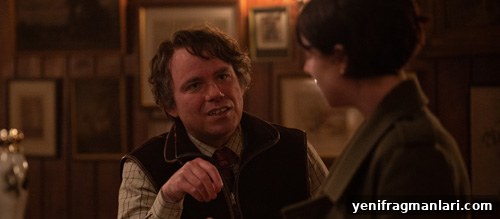
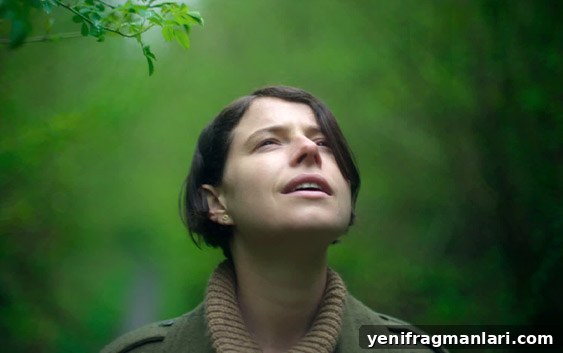
Performances anchor the film. Jessie Buckley delivers a raw, tightly restrained portrayal of a woman barely managing to keep herself together; her vulnerability and determination make Harper sympathetic and compelling. Rory Kinnear is equally effective, playing a range of odd, unsettled men with a mix of charm and menace that often feels eerily familiar. The supporting cast contributes to the village’s claustrophobic atmosphere, where polite civility masks deeper, more primal anxieties.
Visually, the film evokes a quintessentially English woodland environment. The cinematography and production design lean into pastoral beauty and natural textures, which only intensify the uncanny. Garland ties these visuals into longstanding folk traditions and rituals, bringing fertility and rebirth myths into the center of his narrative. These ideas are framed as a critique of modern masculinity and its often corrosive relationship to women, using ancient symbolism to interrogate contemporary gender politics.
However, the film’s ambition is also its weakness. The final act attempts to reconcile a series of potent symbols and thematic threads, but in doing so it drifts between clarity and obscurity. Garland appears to be making a grand statement about a return to archaic reverence for the feminine — Mother Earth, fertility rites, and communal myth — and using that language to dismantle harmful modern attitudes toward women. Visually the results are striking, but emotionally the sequence can feel remote, as if the imagery serves more as aesthetic display than a lived emotional truth. The abundance of allegory sometimes overwhelms the film’s human core.
At times the movie feels self-conscious about its cleverness, layering symbolism until the message risks being drowned in style. That said, the film’s formal audacity is also what makes it interesting: it refuses to follow predictable genre tropes and instead assembles a collage of ideas that challenge and unsettle the viewer. It raises questions about identity, masculinity, grief, and complicity without offering tidy answers, inviting the audience to sit with ambiguity and discomfort.
In cinematic terms, Men is a daring and artful work. It excels in mood, craft, and performance, even as its intellectual ambitions occasionally outpace its emotional resonance. For viewers who appreciate atmospheric, idea-driven horror that leans on symbolism and formal rigor, Garland’s film will be rewarding. For others seeking straightforward emotional clarity, the abundance of allegory may feel distancing.
Score: 17/24