
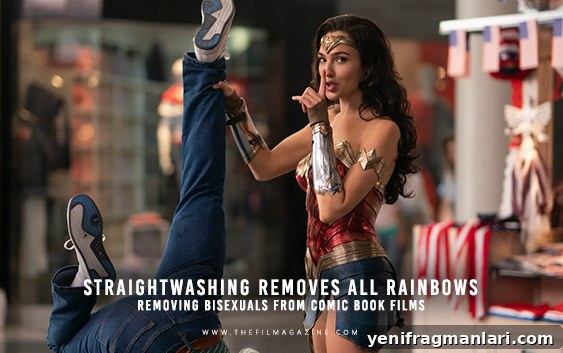
“We take the subject of representation very seriously,” proclaim studio directors unveiling their latest tentpole films, promising visibility for LGBTQ+ audiences—an “exclusively gay moment” here, a “tip of the hat” there. Often, those promises amount to little more than a character briefly holding hands with someone of the same gender or a throwaway line implying an attraction. Filmmakers then feel justified, avoiding the perceived risks of upsetting conservative international markets while applauding themselves for inclusivity.
That kind of superficial representation might be less worrying in original films or standalone sequels, but it becomes problematic when the subject is comic-book cinema, now the dominant force in multiplexes. Both major publishers—Marvel and DC—have made strides with color-blind casting, diversifying screen faces compared to their printed origins. Yet when it comes to sexuality, and particularly bisexuality, the film adaptations too often fail those they could represent most authentically.
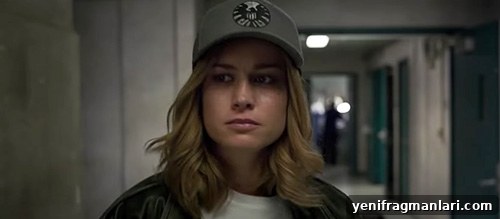
Adaptations naturally shift outfits, backstories and powers; sometimes those changes are benign or even beneficial. But when a character’s sexuality is intrinsic to their identity—shaping motives, relationships and inner conflict—erasing or straight-washing that trait weakens both character and representation. Take iconic heroes: Spider-Man’s longing for MJ or Gwen, Batman’s complicated attraction to Catwoman—such dynamics matter. Comics are rich with gay, lesbian, bisexual and transgender characters. Yet in film, queer characters have been either avoided or simplified, with bisexual characters especially vulnerable to erasure.
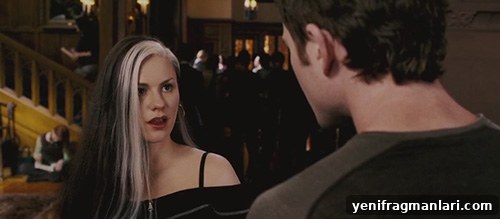
The modern wave of comic-book movies has a pattern of dropping canonically bisexual characters into heteronormative portrayals. The X-Men films are a clear example. Conceived as political allegory from the start, the comics frequently reflected LGBTQ+ struggles—especially through Chris Claremont’s tenure during the AIDS crisis. Yet characters like Rogue, central in the original X-Men trilogy, are presented exclusively as straight, despite the comics’ more complex sexual landscape and the real-life bisexuality of actress Anna Paquin. Even when directors suggested subtextual “coming out” moments, the films rarely followed through.
The prequel series, focused on a younger Mystique, similarly sidesteps bisexual representation. Jennifer Lawrence’s Mystique becomes a major focus in those films and the narratives overtly reference marginalization—yet her on-screen romances are framed exclusively with men. Mystique’s shapeshifting power presented a unique opportunity to explore themes of passing and sexual fluidity, but the films instead revert to a heterosexualized arc.
Other X-Men adaptations suffer the same fate. Characters who are bisexual or sexually ambiguous in the comics often become background figures or are sidelined, their complexity reduced. In Apocalypse, Psylocke is essentially muted and underused, and other potential queer narratives are left unexplored.
Some argue that early-2000s blockbusters aimed at broad audiences made it difficult to portray multiple prominent bisexual characters. However, as public understanding and acceptance have evolved, studios’ continued reluctance to depict bisexuality feels like missed opportunity rather than necessity. Even R-rated properties, which theoretically have more freedom, often default to heteronormativity.
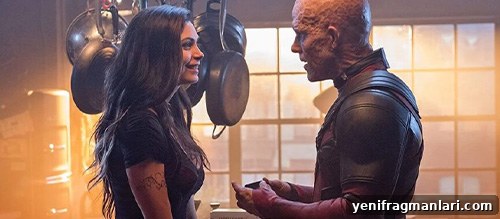
Deadpool is a striking missed chance. In the comics, Deadpool is an out and outspoken pansexual. The films, though audacious in violence and language, depict him in a conventional hetero romance with Vanessa and rarely show him pursuing or engaging with men. Given these movies’ adult tone, including explicit queer elements would have been both feasible and faithful to the source material.
Marvel Studios has made incremental progress under Kevin Feige’s leadership, but historically the company’s internal politics delayed meaningful LGBTQ+ inclusion. While the Marvel Cinematic Universe has begun to address representation in recent years, many portrayals still reduce queer identities to a single line or moment. Loki’s Disney+ series, for example, marks an important step by acknowledging Loki’s attraction to multiple genders, but the exploration is brief and could have been far richer given the series’ focus on the character’s inner life and emotional growth.
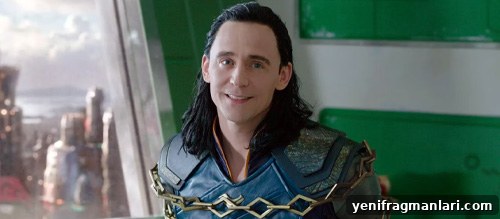
Other MCU choices echo the same pattern: children are introduced who, in the comics, will later identify as gay or bisexual—yet on screen they remain children, delaying any meaningful representation. Valkyrie’s bisexuality, confirmed by the filmmakers, was barely explored on-screen in a moment that was reportedly cut, and even when acknowledged it came late in the franchise’s run.
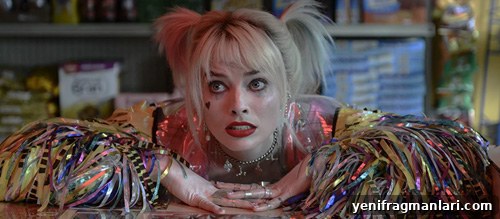
The DC Extended Universe has its own missed opportunities. Wonder Woman, a character rooted in an all-woman culture and created by a writer influenced by non-traditional relationships, carries a strong canonical association with same-sex attraction and complex gender dynamics. The films, however, have largely emphasized heterosexual romance, downplaying the historical context of Diana’s origins and the Amazons’ relationships. Harley Quinn is another example: a comic-book character with notable same-sex relationships who, in film, is repeatedly housed in heterosexual arcs or presented in ways that verge on queer-baiting without substantive follow-through.
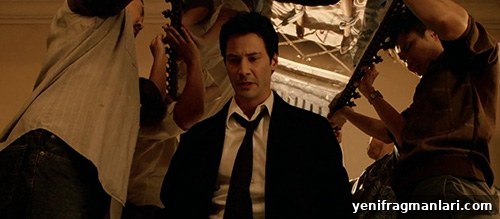
Standalone adaptations have also compressed or excised bisexuality. Constantine, adapted in 2005 with a distinctly different lead from the comics, omitted the character’s bisexuality in a film designed for adults and free from franchise constraints. That absence stripped a key element of John Constantine’s subcultural identity and diminished a rare representation of bisexuality in mainstream comic adaptations.
As cinematic universes expand into long-form storytelling and seasons of television, the potential to honor comic-book canons in full—including sexual identities—grows. Studios must decide whether claiming to “respect canon” means preserving characters’ core traits, or whether it simply selects which parts of canon to keep. Representation matters because it shapes who audiences see as heroes and who they recognize as belonging.
For now, audiences are left with gestures and hints rather than robust portrayals. The hope is that superhero cinema will evolve to embrace bisexuality and broader queer identities with the same courage it uses to confront monsters, gods and cosmic threats—bringing genuine, nuanced representation to the world’s most visible characters.
Written by Paul Klein
You can support Paul Klein in the following places:
Twitter – @paulkleinyoo
Letterboxd – @paulkleinyo