The Gray Man (2022)
Directors: Anthony Russo, Joe Russo
Screenwriters: Joe Russo, Christopher Markus, Stephen McFeely
Starring: Ryan Gosling, Chris Evans, Ana de Armas, Billy Bob Thornton, Regé-Jean Page, Jessica Henwick, Julia Butters, Dhanush, Alfre Woodard
Are we not exhausted by this formulaic churn yet? In an era when content is treated as a commodity and attention is sold to the highest bidder, film increasingly feels like another product on an assembly line. Streaming services demand watchable, clickable content and studios oblige by stamping out interchangeable, high-budget pieces that prioritize spectacle over soul. The Gray Man is a textbook example: slick, loud, and engineered to perform well in trailers and short promotional clips, but lacking in true artistic ambition or emotional depth.
Anthony and Joe Russo have a proven track record as blockbuster directors. Their work revitalized the Captain America films and helped deliver Avengers: Infinity War and Avengers: Endgame — major commercial and cultural successes. Those achievements show their command of large-scale action and crowd-pleasing set pieces. In The Gray Man, the Russos demonstrate technical competence: the fight choreography is punchy, the color and lighting choices are vivid, and the editing emphasizes kinetic impact. The production clearly understands what modern audiences expect from big-budget spy thrillers. Unfortunately, hammering every available checklist item into the film has left little room for originality or depth.
The movie feels engineered to maximize viral moments. Every confrontation is staged like a commercial break clip or a video-game reveal, prioritizing brief visual hooks over character development. The result is an action film designed to be advertised, consumed in six-second ad spots, and then forgotten. Star power is used as a marketing tool rather than as an ingredient for nuance: the performers’ names sell the film, but they are not given the material to elevate it into anything memorable. The Gray Man drifts close to parody because it replicates the surface traits of great spy films without engaging with what made those films resonant.
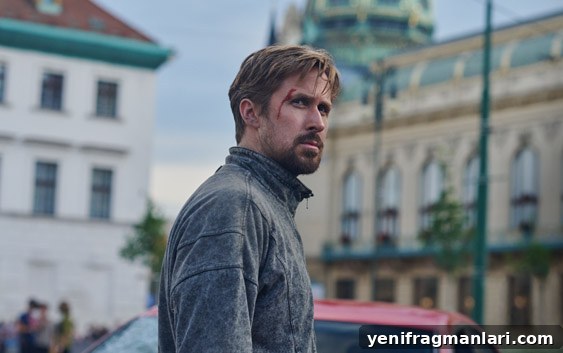
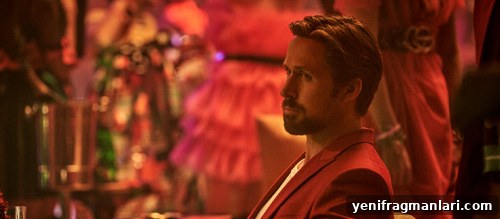
Ryan Gosling and Chris Evans, two high-profile leads, are surprisingly muted. Gosling’s performance is hollowed out by a script that rarely gives him a chance to surprise or move the audience. Where his earlier work could be quietly intense or unpredictably playful, here he’s reduced to a brooding cipher, a vessel for exposition rather than a compelling protagonist. It’s a disappointment to see a performer of his range underutilized in service of a film that seems to prefer style to substance.
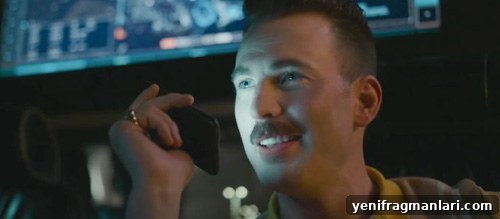
Chris Evans, meanwhile, leans into a showier, more cartoonish villainy that often undercuts tension rather than building it. His exaggerated choices — from a conspicuous moustache to broad comic beats — feel calibrated for social-media clips rather than for dramatic coherence. Other cast members fare unevenly: Ana de Armas brings charisma and scene presence, but she cannot single-handedly rescue underwritten roles. Veteran actors like Billy Bob Thornton and Alfre Woodard are present but sidelined, their talents squandered on thinly sketched parts. Regé-Jean Page struggles with a role that asks for more menace than the material supports, resulting in performances that alternate between stiff and overwrought.
Technically, The Gray Man hits some predictable marks: immaculate costumes, glossy color grading, and a soundtrack designed to heighten momentary thrills. Yet these surface qualities only emphasize the film’s emptiness. Visual effects are inconsistent — at times impressively polished, at others noticeably artificial — and several sequences suffer from an overreliance on green-screen work and digital backgrounds. Fight scenes, though frequently intense, are often edited and lit to manufacture impact rather than emerging organically from character stakes or clear geography.
The screenplay compounds the movie’s problems by offering a skeletal plot that leans on familiar spy-thriller tropes: double-crosses, encrypted secrets, and a final set piece in a sprawling location filled with weapons. Those elements could work if the film had invested in characters or tension, but here they feel borrowed and formulaic. Moments intended to generate suspense or emotional payoff instead land flat because the film hasn’t earned them. The pacing further undermines any momentum: the movie is long enough to feel bloated but never finds the engrossing energy it needs to justify its runtime.
At its worst, The Gray Man embodies what happens when cinematic decisions are driven by algorithms, marketing considerations, and the desire for broad, short-term appeal. It is competent in places, entertaining in tiny bursts, and undeniably polished in its production values — yet it remains fundamentally forgettable. Films that aim to be purely transactional may achieve commercial visibility, but they rarely leave a lasting impression.
For audiences seeking genuinely inventive or emotionally resonant modern action, this film offers little beyond a collection of stylized set pieces and celebrity cameos. In a season that has seen bold, original work rewarded by viewers, The Gray Man’s safe, by-the-numbers approach feels like a missed opportunity. It’s a sleek, forgettable exercise in streaming-era filmmaking: glossy, loud, and ultimately hollow.
3/24