

Boasting one of the most frequently quoted lines in film history and a truly unforgettable twist, The Sixth Sense is a modern reworking of the classic ghost story that still resonates more than two decades after its release. The 1999 supernatural thriller directed by M. Night Shyamalan became his breakout success, showcasing his skill with suspense and character-driven storytelling and turning him into a widely known filmmaker.
The film follows child psychologist Dr. Malcolm Crowe (Bruce Willis), who, after being wounded by a former patient, becomes consumed with the one child he couldn’t help: Cole Sear (Haley Joel Osment). Cole, a nine-year-old boy, is tormented by the knowledge that he is visited by ghosts—spirits stuck by unresolved troubles from their lives. As Malcolm and Cole come to trust each other, they both learn to accept mysteries they cannot explain and find paths to emotional closure. Blending eerie atmosphere, poignancy, and surprising tenderness, the movie remains a beloved and influential example of modern psychological horror and earned a place on the American Film Institute’s list of the 100 greatest American films.
This Movie List revisits the film’s most memorable, disturbing, clever, and moving sequences. Below are the 10 best moments from The Sixth Sense, selected for their emotional impact, cinematic craft, and role in the story’s development.
10. One Step Forward, Two Steps Back
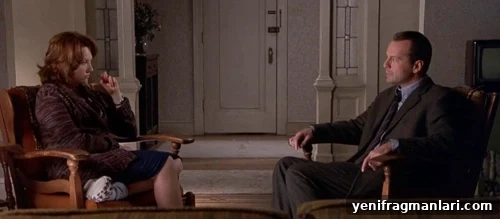
One of their earliest exercises together is a “mind-reading” game in which Malcolm guesses things about Cole and the boy steps forward if Malcolm is right and back if he is wrong. The scene begins with a series of small revelations—some correct and some not—that gradually expose Cole’s guarded nature. When Malcolm wrongly assumes Cole avoids trouble at school, Cole steps back and reveals a painful truth: he was reprimanded for drawing disturbing images, and now he draws rainbows because “they don’t have meetings about rainbows.”
Cinematically, the scene equalizes the characters by placing the camera at Cole’s eye level and using close-ups of the child’s feet as he physically inches toward or away from Malcolm. The physical distancing mirrors Cole’s emotional withdrawal and establishes the early challenge Malcolm faces in earning trust, setting up the patient-therapist relationship that drives the narrative.
9. Cole’s Childhood Photos
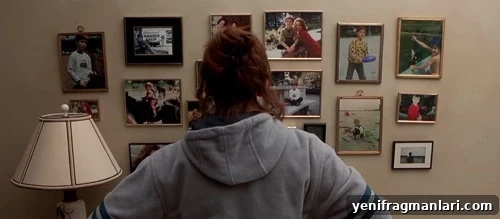
Lynn Sear (Toni Collette) pauses to look at family photographs and notices strange light flares near Cole’s image. Though subtle, these orbs foreshadow the supernatural and cue the audience to the film’s eerie logic: small, unexplained visual anomalies can point to the presence of something otherworldly.
Other small details in this sequence—the sudden drop in temperature implied by Lynn’s hoodie and thermostat adjustment, the way pop music cuts out and the score emerges—shift the scene from ordinary domestic life into the film’s haunted atmosphere. These visual and auditory cues prepare viewers for Cole’s later revelations while building suspense through suggestion rather than shock.
8. ‘Stuttering Stanley’
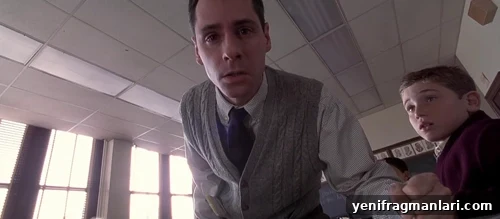
In class, a frightened and provoked Cole lashes out at his teacher, calling him “Stuttering Stanley.” The confrontation escalates until the teacher loses his temper and shouts, “Shut up, you freak!” This is the first time Cole openly acts out and the sequence makes palpable how fear and isolation have warped his social interactions.
Shyamalan’s use of tight close-ups on Cole’s face and mouth, high-angle framing on the teacher, and a fish-eye lens for the final threatening shot all heighten tension and demonstrate how the boy’s trauma distorts ordinary encounters into moments of crisis. The scene underscores the urgency of Malcolm’s mission to reach him before Cole’s difficulties become permanent.
7. Cole and Malcolm’s Final Scene
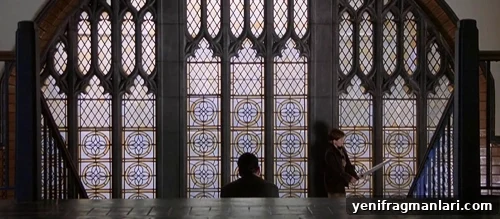
After a triumphant school play that ends with Cole being celebrated by classmates, he and Malcolm share a gentle, melancholic farewell. Cole acknowledges that he won’t see Malcolm anymore—he has learned to live with his gift and is ready to accept it—while both men quietly admit they will always remember each other.
Visually, the scene contrasts earlier darkness with bright, sunlit imagery and colorful stained glass, symbolizing the way both characters have moved from isolation toward healing. The moment serves as an emotional close to their pseudo-father-son bond and reassures viewers that Cole’s life will be steadier going forward.
6. Hanging Ghosts
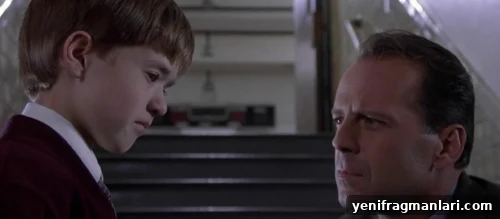
Walking down a school hallway after another play, Cole freezes and the camera cuts to a sudden, chilling image of three ghosts hanging in an adjacent stairwell—an image that Malcolm does not register. Cole then delivers a haunting monologue about the physical sensations that announce a ghost’s presence: the hairs rising on your neck, a shiver, the air turning cold.
The quick visual shock, paired with sharp musical punctuation, creates immediate terror. The long two-shot that follows allows tension and emotion to build, showcasing Haley Joel Osment’s talent and making this moment one of the film’s most frightening and unforgettable.
5. Cole Helps Kyra
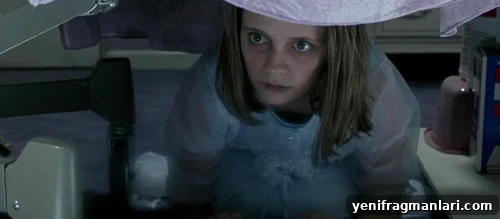
The subplot involving Kyra Collins, a young girl who died after being slowly poisoned, is one of the film’s most devastating and consequential arcs. Cole receives a box from Kyra’s ghost that contains a VHS tape exposing the mother’s abuse. When Cole’s revelations lead Kyra’s father to watch the tape and confront the truth, it delivers justice for Kyra and protects her sister from the same fate.
Shyamalan stages the revelation to maximize emotional resonance: intercutting the television image with the father’s changing expressions guides the audience through discovery and shock in real time. This sequence marks a turning point for Cole: his ability to help spirits move on becomes a moral responsibility he chooses to accept.
4. Malcolm’s Old Therapy Tapes
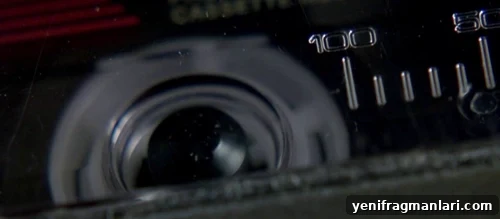
Struggling to believe Cole’s confession, Malcolm listens to old therapy tapes of his former patient Vincent Grey. As he slowly increases the volume on a tape, he hears a faint voice that reveals Vincent’s experience with the same phenomena Cole describes. Bruce Willis’s performance—an extended close-up charting skepticism giving way to dawning comprehension—turns this moment into a crucial awakening.
The scene uses recorded media as a storytelling device: the audience learns the same information as Malcolm does, simultaneously and directly, which deepens our investment in his transformation from doubter to believer.
3. Cole Is Ready to Communicate
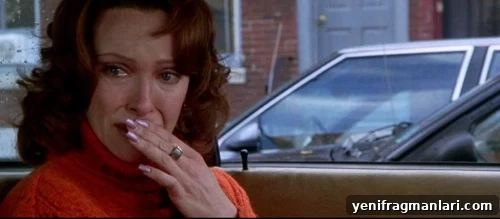
Near the film’s end, Cole finally tells his mother the truth about seeing ghosts. Stuck in traffic at the site of a car crash, he calmly relays what he knows and conveys a message from her deceased mother. Initially frightened, Lynn becomes convinced when the message proves authentic. This quiet, tender scene repairs their strained relationship and shows Cole using his gift for comfort rather than fear.
Notably, Shyamalan removes jump-scare shock tactics here: the reveal is calm and intimate, underscoring healing and acceptance rather than horror.
2. “I See Dead People”

Possibly the film’s single most famous line, Cole’s whisper, “I see dead people,” arrives after a traumatic incident and a hospital stay. The scene is intimate and atmospheric: the camera tracks in slowly while the score swells, and Haley Joel Osment delivers the line with bone-chilling clarity that transformed the phrase into a cultural touchstone.
Beyond its quotability, the moment cements the bond between Cole and Malcolm: by sharing his truth, Cole invites Malcolm into his world and allows their relationship to deepen into trust and mutual care.
1. The Plot Twist
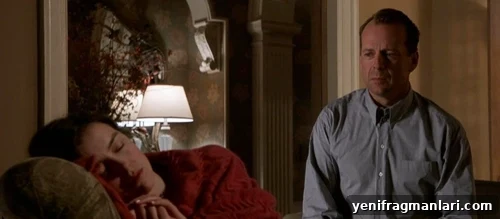
The film’s final revelation—that Malcolm himself is dead—remains one of cinema’s most discussed and admired twists. As Malcolm returns home and pieces together subtle clues—his missing wedding ring, a house arranged as if lived in only by his wife—the past and present snap into alignment. Flashbacks and earlier moments coalesce, and the audience experiences the same shock as Malcolm does when he discovers the gunshot wound on his back and finally says goodbye.
Shyamalan scatters hints throughout the film but withholds full disclosure until the climax, allowing the twist to both reframe the story and reward viewers for close attention. Whether Cole ever fully understands Malcolm’s condition is left deliberately ambiguous, but the emotional payoff is clear: Malcolm has helped Cole heal and also enabled his wife to move forward, allowing him to find peace.
The Sixth Sense endures as a powerful blend of emotional drama and supernatural suspense. Its memorable moments range from chilling scares to heartfelt reconciliation, and they continue to influence filmmakers and audiences. Which sequences stand out to you? Share your thoughts and favorites when you revisit this modern classic.