
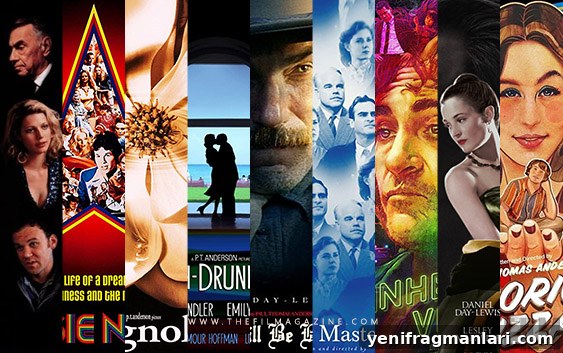
Paul Thomas Anderson is widely regarded as one of the finest American filmmakers working today. Whenever he releases a new movie, its title quickly becomes part of awards-season conversation. He consistently draws top-tier actors, cinematographers and composers who help bring his layered, meticulously crafted films to both critical and commercial success. To date, he remains the only director to win the Best Director prize at all three major international film festivals: Cannes (2002), Berlin (2008) and Venice (2012).
Often called “PTA,” Paul Thomas Anderson is a director driven by a deep love of cinema. While certain techniques recur across his work, his films are stylistically diverse—no two feel exactly the same. That variety reflects a filmmaker who treats the medium as flexible rather than formulaic. Anderson’s movies reward repeat viewings; they are dense with recurring themes and subtle details that often reveal themselves only after multiple watches. For many viewers, each new film is less a single two-hour story than an immersive experience to be explored.
In this feature we rank Paul Thomas Anderson’s feature films, from his 1996 debut through his most recent release, considering critical reception, audience engagement and the distinctiveness that sets each film apart. These are the Paul Thomas Anderson films, ranked.
Follow @thefilmagazine on Twitter.
9. Inherent Vice (2014)
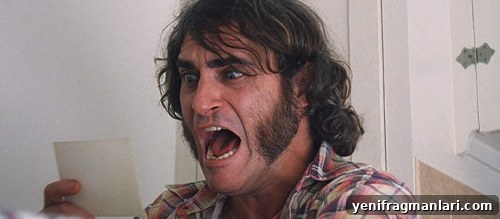
Inherent Vice sits at the bottom of this list, but it still offers many strengths. Anderson paints a vivid portrait of America at the end of the 1960s and into the 1970s, using authentic production design and washed-out tones to convey a world exhausted by the turbulence of the previous decade.
The plot is deliberately loose: Joaquin Phoenix plays Doc Sportello, a stoner private investigator hired to find a missing woman. Anderson emphasizes mood over linear storytelling, favoring a languid, hazy atmosphere more than the tight structural tension that defines some of his other films. That approach makes Inherent Vice one of Anderson’s most divisive works: viewers seeking the director’s usual emotional intensity may feel shortchanged, while others will appreciate the film’s dreamy, improvisational energy.
The ensemble supporting cast creates many memorable moments and plenty of comic beats. Anderson captures the era’s spirit with affection, though Inherent Vice lacks the lingering emotional gravity and narrative cohesion that make his best films endure.
8. Hard Eight (1996)
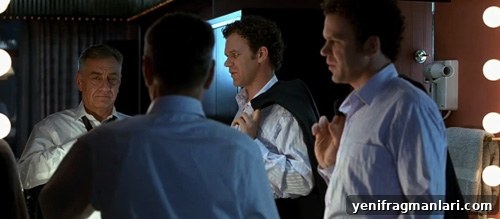
Paul Thomas Anderson’s first feature reveals remarkable promise and remains among his most overlooked achievements. Hard Eight lacks the sprawling ambition of his later films, but its simplicity is its strength.
Running a compact 102 minutes, the film tells a focused, small-scale story about Sydney (Philip Baker Hall), a suave gambler who befriends John (John C. Reilly) at a diner and becomes his mentor. Two years on, they operate as professional gamblers and share a father-and-son dynamic that anchors the film. The tone shifts markedly in the second half as the story grows grittier and more tension-filled.
Adapted from Anderson’s earlier short, Cigarettes and Coffee, Hard Eight is sleek and controlled, with confident camera work and a layered emotional core. Reilly’s understated dramatic turn is a quietly powerful highlight, and the chemistry between him and Hall gives the film emotional resonance beyond its modest scope.
Recommended for you: David Fincher Movies Ranked
7. Magnolia (1999)
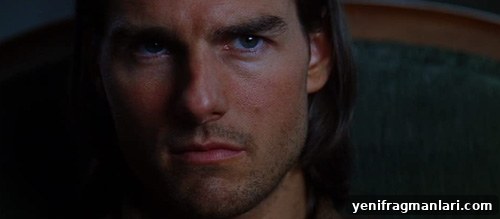
Following his early momentum, Anderson delivered Magnolia, a three-hour ensemble drama that never feels indulgent. The film interweaves multiple storylines about people searching for love, forgiveness and meaning. Like Boogie Nights before it, Magnolia demonstrates Anderson’s gift for directing an ensemble cast and creating characters who feel startlingly real.
Tom Cruise gives a standout performance as motivational speaker Frank T.J. Mackey, a role that subverts his typical image and reveals vulnerability beneath aggressive posturing. Magnolia’s characters are often painfully human—flawed, desperate and capable of sudden tenderness. The film builds to an ending so unexpected it remains one of the most memorable conclusions in contemporary cinema.
6. Licorice Pizza (2021)
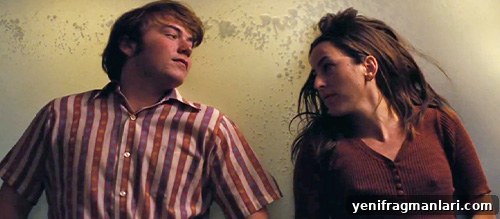
Set in the 1970s San Fernando Valley, Licorice Pizza channels the character-driven snapshots of Anderson’s earlier work. The story unfolds as a series of vignettes following Gary Valentine (Cooper Hoffman) and Alana (Alana Haim) through an awkward, sun-drenched first love.
Hoffman brings charisma to the role of Gary, and Haim is a luminous presence, anchoring the film with natural charm. Bradley Cooper makes a memorable appearance as a volatile film producer. The movie’s episodic nature privileges mood and character moments over strict plot mechanics.
The central age-gap romance—between a teen and an older adult—generated controversy and discussion about Anderson’s approach. The film is divisive, but for many it represents a warm, nostalgic return to character-led storytelling and solid performances that linger after the credits.
5. Boogie Nights (1997)
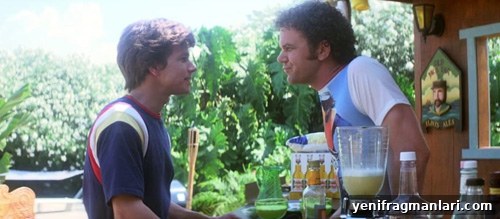
Boogie Nights marked a significant leap forward from Hard Eight, announcing Anderson’s arrival as a confident and ambitious filmmaker. The film opens with a near three-minute tracking shot through a nightclub that introduces characters and establishes a kinetic tone that carries through the entire story.
The film chronicles the rise and fall of Dirk Diggler (Mark Wahlberg) in the 1970s porn industry, as producer Jack Horner (Burt Reynolds) builds a makeshift family of performers whose relationships fray as fame and excess take hold. Boogie Nights is a vivid period piece with an energetic ensemble cast; each performance contributes to a richly textured portrait of an era.
4. Punch-Drunk Love (2002)
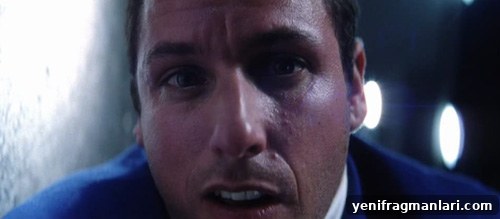
Punch-Drunk Love transformed expectations for Adam Sandler, showcasing a restrained and emotionally precise performance as Barry, a socially isolated man pushed to the brink by family pressure and odd opportunities. Emily Watson co-stars as Lena, the woman who offers a tender outlet for Barry’s anxieties and helps reveal his humanity.
Anderson’s direction immerses the viewer in Barry’s perspective: jagged sound design, fluid camera work and an attention to detail make the film intensely affecting. Amid the film’s frequent tension, the small moments between Barry and Lena feel exultant, offering a quiet emotional release. Punch-Drunk Love is a distinctive romantic drama that captures the strange terrain of loneliness and connection.
Recommended for you: Top 10 Adam Sandler Performances
3. There Will Be Blood (2007)
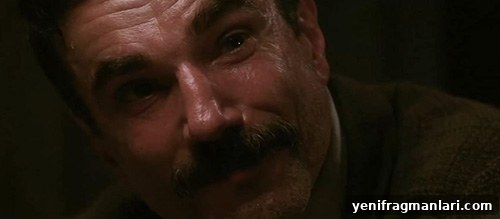
There Will Be Blood is arguably Anderson’s most recognized film. Daniel Day-Lewis’s portrayal of Daniel Plainview earned him an Academy Award and joined the ranks of cinema’s most iconic performances. The film explores the corrosive effects of greed and ambition through the rivalry between Plainview and a local preacher.
Praised for its commanding visuals and powerful score, the film balances biblical grandeur with intimate character study. Robert Elswit’s cinematography and Jonny Greenwood’s music contribute to an experience that feels both epic and unnervingly personal. There Will Be Blood stands as a towering achievement in Anderson’s filmography.
Recommended for you: Top 10 Movies of 2007
2. The Master (2012)
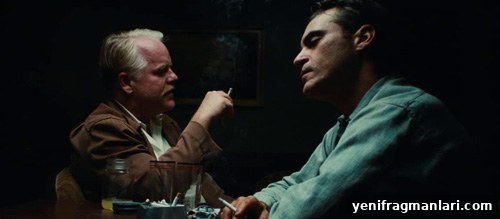
The Master rewards repeated viewings. Dense with ideas and featuring towering performances from Joaquin Phoenix and Philip Seymour Hoffman, the film delves into postwar dislocation and the magnetic authority of a charismatic leader. Phoenix plays Freddie Quell, a disturbed veteran drawn into a movement led by Lancaster Dodd (Hoffman). Their fraught relationship allows Anderson to probe themes of control, devotion and the search for identity.
The Master stands out visually as well, shot in 65mm to create luminous, haunting frames. The film’s precise compositions and careful use of light give it an uncanny, almost theatrical quality that lingers in the mind.
1. Phantom Thread (2017)
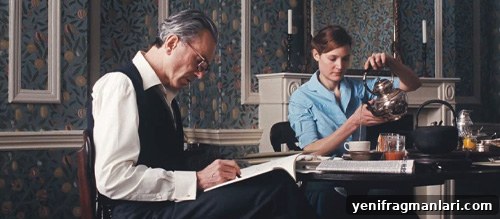
Atop this ranking is Phantom Thread, an exquisitely crafted period drama about a celebrated dressmaker and the muse who disrupts his ordered life. Daniel Day-Lewis delivers a subtle, commanding performance as Reynolds Woodcock, while Vicky Krieps is both vulnerable and cunning as Alma, his muse and partner.
Phantom Thread is a study of love, power and creative control, where small domestic moments—preparing breakfast, fitting a dress—become fraught with emotional significance. Anderson handled cinematography himself for this production, showcasing meticulous lighting and composition that mirror the film’s couture subject. Jonny Greenwood’s delicate score weaves through the film, adding a fairy-tale-like undercurrent to the drama.
All elements align here—performances, music, visual design and direction—making Phantom Thread a rare film in which every component elevates the whole. It stands as Paul Thomas Anderson’s most complete and accomplished work.
Recommended for you: 100 Greatest Films of the 2010s
Paul Thomas Anderson’s body of work already contains multiple films that have changed the way audiences experience contemporary cinema. With the prospect of many more films to come, his legacy as a major figure in American filmmaking will only deepen.
Which Paul Thomas Anderson film do you prefer? Share your thoughts in the comments, and follow The Film Magazine on social media for more film lists and critical discussion.