
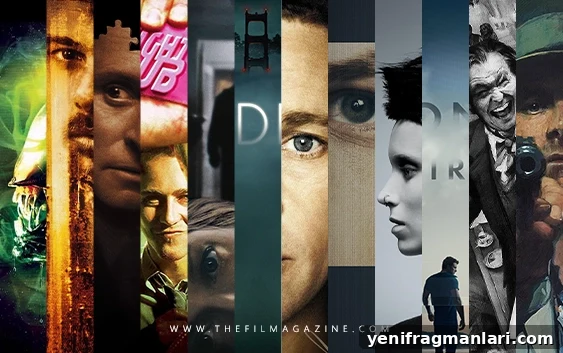
“I don’t know how much movies should entertain. To me I’m interested in movies that scar.” – David Fincher (“Seventh Hell” by Mark Salisbury)
David Fincher is one of the most accomplished filmmakers working in 21st-century Hollywood. He has received three Academy Award nominations for Best Director for The Curious Case of Benjamin Button, The Social Network, and Mank, each of which was also nominated for Best Picture. Zodiac earned a Palme d’Or nomination at Cannes. Fincher’s projects are regularly well-funded, critically acclaimed, and popular with audiences.
Fincher blends different filmmaking traditions: the cool, observational precision often associated with Stanley Kubrick and the compositional clarity found in Steven Spielberg’s work. His films show a meticulous attention to detail and an ability to adapt to multiple genres — from science fiction and period drama to psychological and procedural thrillers — while maintaining a distinct aesthetic voice.
His visual style is defined by high-contrast lighting, deliberate visual distancing, and focused montages. Even when color palettes shift or new camera techniques are employed, Fincher’s signature tendencies are recognizable across his films. He is also closely linked to the development and refinement of visual effects in mainstream cinema: Benjamin Button’s digital aging, the Winklevoss twins in The Social Network, and the CGI blood effects in Zodiac are notable examples of his effective use of digital tools.
Fincher was an early adopter of large-scale digital workflows. Zodiac was one of the first major films shot directly to digital storage, and Mank was photographed on a black-and-white digital camera rather than being converted from color in post-production. These choices often serve practical purposes — streamlining the workflow, enabling complex digital effects, and allowing creative casting solutions — while also aligning with Fincher’s interest in precise control over image and production.
Although Fincher rarely writes his own screenplays, he has an acute sensibility for strong material and plays a major role in shaping scripts during development and production. His chosen stories frequently test characters both physically and emotionally and often include a central mystery the audience unravels alongside the protagonists. Many of his most memorable works focus on crime and obsession, including the Netflix series Mindhunter, which follows investigators and agents who become personally affected by the cases they study.
Fincher resists being reduced to a brand, yet a recognizably “Fincher” film does exist: rigorous craft, exacting visual control, a synthesis of classical and modern techniques, and dark subject matter presented with restraint. This article ranks his feature films by how well they align with that image.
12. Alien 3 (1992)

Fincher has been candid about his displeasure with Alien 3, calling it one of his most difficult experiences. The film follows Ripley after a crash lands on a bleak prison planet inhabited by religiously zealous inmates. Its drab, grungy production design and practical effects are more effective than the film’s uneven narrative, which many find meandering and unsatisfying.
Because Fincher’s original vision was compromised during production, Alien 3 is often seen as an anomaly in his filmography. For viewers exploring his work, this entry is typically considered the weakest of his features.
11. Panic Room (2002)
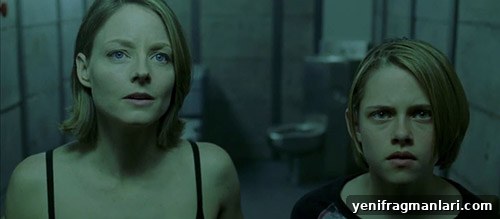
Panic Room is a tightly constructed thriller set largely within a single location, a format that can be hard to sustain. Fincher’s camera maximizes every inch of the house and preserves the claustrophobic tension at the story’s core. Strong performances and a clever script keep the film engaging throughout its nearly two-hour runtime.
While effective and suspenseful, Panic Room lacks the deeper thematic impact found in many of Fincher’s other films. It remains a solid, entertaining entry, particularly notable for centering women as active protagonists in a suspense format.
10. The Game (1997)
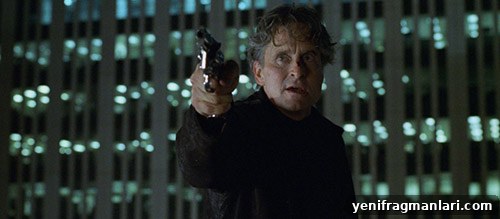
The Game is an expansive thriller that keeps viewers guessing. The film follows a wealthy, isolated protagonist whose life is upended by an elaborate, reality-bending experience. Fincher’s San Francisco setting, the layered narrative, and the central unraveling of the lead character feel distinctively his.
Despite strong sequences and performances, The Game lacks truly defining moments and memorable characters that would place it higher among Fincher’s best works. It is a very good genre piece, but one whose legacy depends largely on Fincher’s direction.
9. The Curious Case of Benjamin Button (2008)

Benjamin Button stands apart in Fincher’s filmography. The story is a melancholic exploration of time, love, and identity as the protagonist ages in reverse. Fincher’s reticence toward conventional romance makes this movie notable: it treats love as an enduring, sometimes painful, bond that spans odd circumstances.
The film’s digital aging effects were widely praised and earned an Academy Award. Though the movie leans toward classical Hollywood sentimentality at times, it remains a distinctive and ambitious work within Fincher’s career.
8. Fight Club (1999)
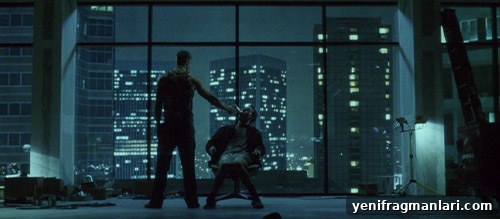
Fight Club became a cultural landmark and a defining film for a generation. Its sharp satire of consumer culture and masculinity, combined with dark humor and a striking visual style, created a phenomenon that often overshadows its director. The film critiques toxic masculinity and consumerism through an intentionally provocative premise, though its ambiguous tone has led to varied interpretations.
As a stylistic and thematic statement, Fight Club remains one of Fincher’s most discussed and divisive films.
7. Se7en (1995)
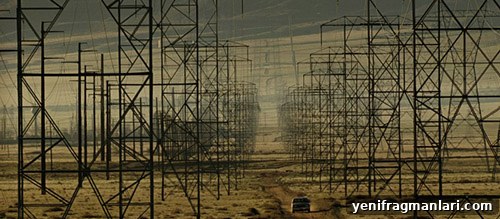
Se7en marked Fincher’s breakout in the serial killer genre and gave him significant creative control. The film’s noir-inflected cinematography, muted color palette, and high-contrast lighting foreground a bleak, rain-soaked world. Fincher’s restraint in depicting violence — focusing on implication rather than spectacle — gives the film maturity and power.
Se7en contains several iconic sequences and remains a sterling example of Fincher’s early style, foreshadowing the director’s later, more refined work.
6. The Killer (2023)
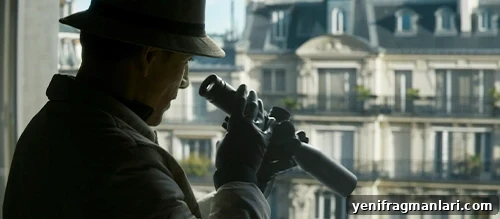
The Killer is one of Fincher’s more sardonic films, a darkly comic deconstruction of assassin and agent tropes featuring Michael Fassbender. Rather than dwelling on nonstop action, the film dissects the routine, labor-like life of a professional killer and the contradictions of an assumed stoic code. Its tone and the clash between audience expectations and the protagonist’s internal logic make this film distinctive in Fincher’s later output.
As with other recent Fincher projects, The Killer demonstrates his continued embrace of modern production methods while maintaining his precise, analytical approach to storytelling.
5. The Social Network (2010)

The Social Network is widely regarded as one of the best films of its decade. It examines technology’s cultural impact and the obsessive drive for perfection, themes that echo Fincher’s own rigorous filmmaking approach. Aaron Sorkin’s screenplay is the engine of the film, but Fincher’s visual design and tone give it atmosphere and moral complexity.
The film’s synthesis of razor-sharp dialogue and a cool, controlled aesthetic makes it one of Fincher’s most celebrated collaborations.
4. Gone Girl (2014)

Gone Girl explores reputation, media manipulation, and marital deceit. Unlike dialogue-driven collaborations, this adaptation relies on atmosphere, structure, and a twisting narrative that examines the power of public image. Fincher reunites with frequent collaborators in cinematography, editing, and music to create a chilling, precise depiction of calculated performance and domestic darkness.
The film refines many of Fincher’s recurring interests into a tightly controlled studio of images and rhythms.
3. Mank (2021)

Mank is a thoughtful homage to classic Hollywood, shot in black-and-white digital with careful attention to period sound design and visual references. It examines the tensions between art and commerce through the figure of Herman J. Mankiewicz and the chaotic conditions surrounding the creation of Citizen Kane. Though the film leans on a contested account of those events, it remains a compelling cinematic meditation on authorship, collaboration, and the moral compromises of filmmaking.
2. The Girl with the Dragon Tattoo (2011)

The Girl with the Dragon Tattoo continued a remarkable run for Fincher, showcasing his ability to reimagine source material with a fresh, modern sensibility. This adaptation emphasizes methodical character development and careful plotting as a journalist and a hacker investigate a decades-old disappearance. The film presents violence honestly while granting strong agency to Rooney Mara’s Lisbeth Salander, making the story both harrowing and empowering.
Fincher’s precise direction and attention to atmosphere give this adaptation a distinctive, resonant identity.
1. Zodiac (2007)
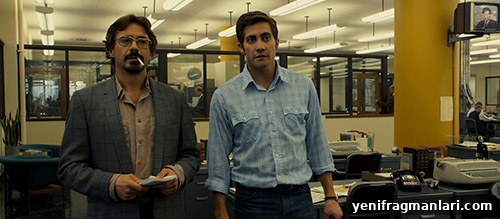
Zodiac is the film that best captures what many consider the essence of David Fincher’s approach. It chronicles the Zodiac murders and the obsessive quest of journalists and investigators trying to make sense of a terror that gripped San Francisco. The film keeps its focus on the human cost and the investigation itself rather than glorifying violence.
Zodiac marries period detail with digital cinematography to create a meditative, immersive experience. Its restrained, meticulous storytelling exemplifies Fincher’s interest in films that linger, scar, and provoke thought. For many viewers and critics, Zodiac is the key film in his career.
For nearly thirty years David Fincher has produced work that shocks, fascinates, and lingers. Which of his films resonates most with you? Share your thoughts if you keep notes on his career, and revisit his films to see how each one reflects different facets of a singularly determined director.