
Foe (2023)
Director: Garth Davis
Screenwriters: Garth Davis, Iain Reid
Starring: Paul Mescal, Saoirse Ronan, Aaron Pierre
Foe is a restrained, atmospheric film from Australian director Garth Davis that blends elements of science fiction, psychological drama and relationship study. Based on a novel by the author of I’m Thinking of Ending Things, the film centers on the fragile, intimate world of a young couple and the creeping threat of replacement—both technological and emotional. With lead performances from Paul Mescal and Saoirse Ronan and a supporting turn from Aaron Pierre, the movie aims high: meditations on love, identity and how technology reframes human connection in a climate-ravaged near future.
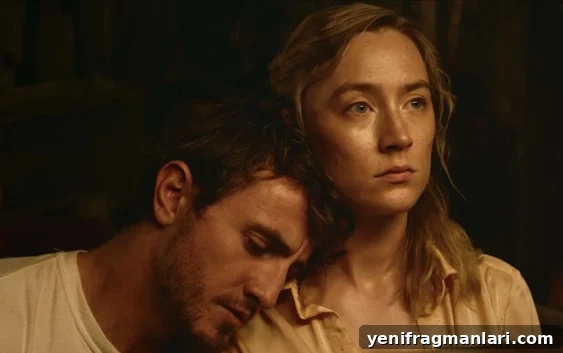
Set in 2065, the story opens in a United States in decline, where environmental collapse and automation have reshaped daily life. Artificial intelligence and robotic labor have taken over many manual jobs, and an ambitious space program begins recruiting humans for new orbital colonies. Into this unsettling landscape come Hen (Saoirse Ronan) and Junior (Paul Mescal), a couple living a modest life in the American Midwest—portrayed on screen by Australian locations that echo dust, heat and a sense of in-between. Their routine is interrupted by Terrence (Aaron Pierre), a government official who informs Junior that he has been shortlisted to work off-planet for a period of time.
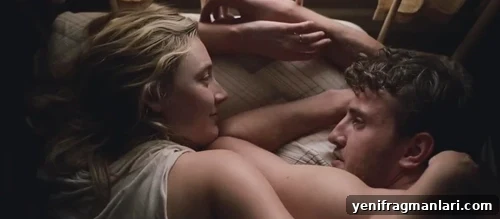
Junior reacts with immediate resistance: the prospect of leaving his wife terrifies him. A year later the choice is taken from him when Terrence returns with the conscription papers, confirming Junior must leave. To soothe the fear of abandonment, Terrence offers an unsettling solution: he will remain with Hen and study their marriage in order to build a perfect AI replica of Junior. This setup places Hen and Junior under close observation and serves as the engine of tension—an intimate experiment that exposes every fissure and insecurity in their relationship.
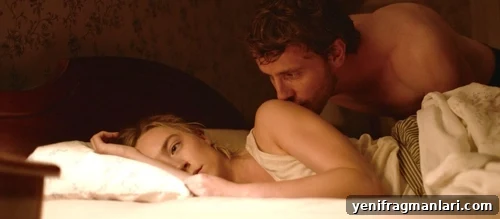
Much of Foe’s power comes from its tonal control. The film is deliberate and slow, favoring quiet observations over explicit exposition. Scenes are often shot in muted palettes, under darkness or in the green glow of Terrence’s headlights, creating a visual world that feels both futuristic and eerily ordinary. Park Jiha’s score enhances this atmosphere with sparse, minimalist compositions that emphasize unease and distance rather than spectacle. The cinematography and sound design work together to impart a consistent sense of isolation and impending loss.
The narrative explores fear of replacement and the pressures that technology brings to private life, but the film’s pacing and stylistic restraint will divide viewers. The central mystery and ethical dilemma keep the viewer engaged, yet the film sometimes circles back on itself, creating a sense that key emotional revelations arrive without the full groundwork required to make them devastating. The final act reveals important truths and delivers impactful moments, but for some viewers the emotional payoff may feel insufficiently earned.
Performances are a major strength. Saoirse Ronan’s Hen is quietly complicated: she carries unresolved dissatisfaction and stoic endurance, suggesting a life that has dulled her expectations without entirely extinguishing her longing for connection. Paul Mescal’s Junior is pitched higher—angry, fragile and desperate—combining volatility with a vulnerability that anchors his turmoil. Aaron Pierre, as the observing Terrence, portrays authority and inscrutability with economy; his presence is an unsettling fulcrum around which the couple’s instability pivots.
Given its small ensemble, intimacy and focus on dialogue and emotional friction, Foe sometimes reads like theatrical material translated to film. The story’s claustrophobic tension and the characters’ verbal sparring could be especially effective on stage, where the audience can feel the shared air and immediate pressure more tangibly. On screen, the same material invites a close analysis of tone and subtext—rewarding careful viewing but resisting casual, repeat watching for many.
Ultimately, Foe is an ambitious movie that contends with provocative questions about identity, love and technological intrusion. It offers memorable performances and striking atmospherics but balances on a knife edge between subtlety and frustration: the film is rich in ideas and mood, yet at times it withholds enough emotional grounding that the full resonance of its themes may remain just out of reach. For viewers drawn to slow-burning, thought-provoking sci-fi informed by relationship drama, Foe will be worth seeing and discussing; for others seeking stronger narrative propulsion or clearer emotional closure, it may feel like a missed opportunity.
Score: 13/24
Written by Rehana Nurmahi
You can support Rehana Nurmahi at the following accounts:
Twitter – @Han_notsolo
Letterboxd – hana_banana97
Portfolio – Authory