
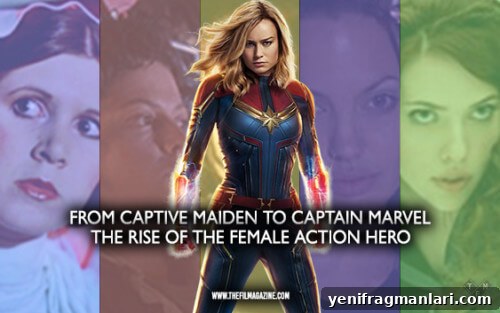
The Rise of the Female Action Hero: A History
A door is kicked in, splinters fly, and a lone figure steps through the smoke. Once, that figure was almost always a man delivering a blunt one-liner before walking away. For decades, action cinema celebrated explosions, brawn and machismo, and women were rarely imagined as the central force capable of surviving the chaos. That has changed. Over the past five decades Hollywood has steadily broadened its idea of what an action hero looks like, and women have increasingly claimed the spotlight.
Early Trailblazers: 1970s
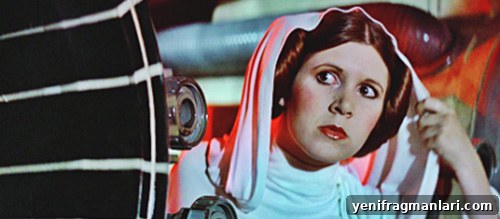
The roots of the female action star stretch back to the 1970s. Blaxploitation films such as Coffy and Foxy Brown elevated Pam Grier as a tough, uncompromising presence in front of a gun. At the same time, Princess Leia in the original 1977 Star Wars trilogy proved that a woman could be witty, brave and integral to saving the galaxy. Carrie Fisher’s Leia remains one of the most beloved and iconic female characters in cinema history.
Late 1970s: A New Kind of Survivor
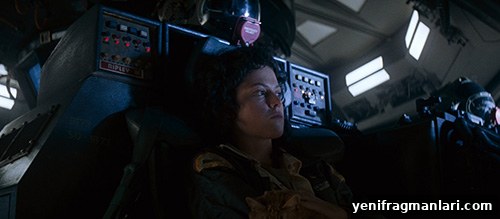
Ridley Scott’s 1979 film Alien turned expectations on their head by making the crew’s survivor Ellen Ripley—played by Sigourney Weaver—the central hero. The role was originally written as male, but the decision to cast a woman changed the genre’s vocabulary: Ripley showed audiences that women could be resourceful, gritty and credible protagonists in science fiction and horror at the same time.
Big Shoulders and Big Screen Women: 1980s
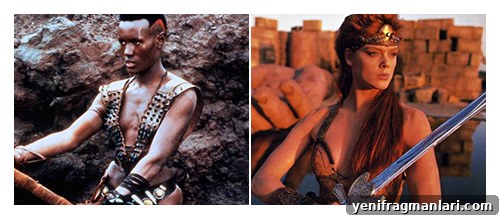
The 1980s were defined by spectacle and physical power. Action heroes were often defined by muscle, and a handful of women adapted that aesthetic while also offering different kinds of presence. Grace Jones and Brigitte Nielsen appeared as towering, muscular warriors in films such as Conan the Destroyer (Jones) and Red Sonja (Nielsen). Their characters brought visibility to women who could stand toe-to-toe with the genre’s dominant male figures.
A More Nuanced Era: 1990s
The 1990s shifted away from the purely muscle-bound hero toward characters audiences could relate to. Male heroes evolved into wise-cracking, fallible figures like those seen across popular action franchises, and women took on more varied, emotionally layered roles. Films such as Buffy the Vampire Slayer (1992) introduced a high-school girl who discovers she is charged with fighting supernatural threats—an unlikely but enduring icon. Luc Besson’s La Femme Nikita and the hit thriller The Long Kiss Goodnight gave us trained, complex female operatives who combined vulnerability with lethal skills.
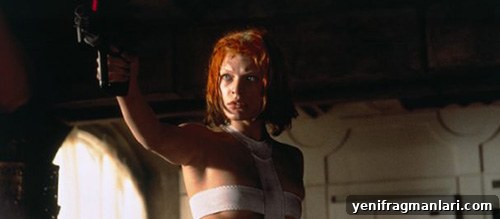
In 1997, The Fifth Element introduced Leeloo, an otherworldly heroine played by Milla Jovovich. Leeloo’s mixture of innocence, humor and physical prowess won a devoted following and illustrated that action heroines could be both emotionally resonant and formidable in combat.
Post-9/11 Realism and Professional Competence: 2000s
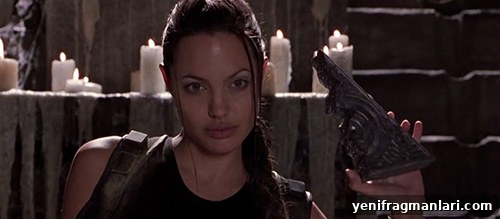
The events of the early 2000s ushered in a demand for more skilled, disciplined heroes. Male-led franchises like the Bourne series and Mission: Impossible emphasized training, precision and tactical expertise. Female-led action films followed suit with heroines who were just as competent. Angelina Jolie’s Lara Croft in Lara Croft: Tomb Raider (2001) brought a video game icon to life and helped normalize women as leading action protagonists in big-budget tentpole films.
That same decade saw other franchise-style heroines emerge: the original-screen-created Alice in the Resident Evil films, Uma Thurman’s vengeful Bride in Quentin Tarantino’s Kill Bill series, and Kate Beckinsale’s Selene in the Underworld franchise. Malaysian star Michelle Yeoh also gained international recognition for action roles in films such as Crouching Tiger, Hidden Dragon and a memorable turn in a James Bond film, demonstrating the global reach and diversity of female action talent.
The Superhero Boom: 2010s and Beyond
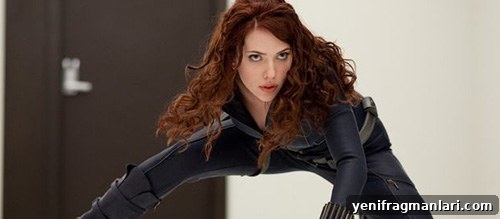
The explosion of superhero cinema brought female-powered characters into the mainstream in new ways. Scarlett Johansson’s Black Widow first appeared in 2010 and became a staple of the Marvel Cinematic Universe, showing audiences that a supporting female hero could command attention on the biggest stages. The commercial and cultural impact of female heroes reached a milestone with Patty Jenkins’ 2017 Wonder Woman, a film that resonated widely and demonstrated the enormous appetite for a dedicated female-led superhero blockbuster. That success helped pave the way for further female-fronted superhero films, contributing to a more inclusive genre.
Conclusion: A Stronger, More Diverse Future
From reluctant survivors and tough-as-nails vigilantes to skilled operatives, supernatural defenders and caped superheroes, the female action hero has evolved into a multifaceted, powerful force in cinema. These characters now reflect a broader range of strengths, vulnerabilities and identities, and they inspire audiences worldwide. As filmmakers continue to cast women in complex, central roles—across genres and cultures—the future of action films looks more diverse and compelling than ever.