
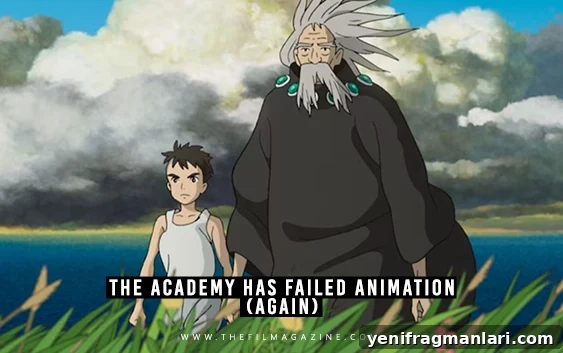
The nominations for the 96th Academy Awards, announced on 23 January 2024, sparked intense controversy. Much of the backlash focused on the perceived snubs of Greta Gerwig and Margot Robbie for Barbie — notably in Best Actress and Best Director — even though Robbie received a Best Picture producer nomination and Gerwig landed a nomination for Adapted Screenplay. The debate spilled across social media, with many accusing The Academy of misogyny. Less widely discussed, but arguably more significant, was another omission affecting an entire industry: animation.
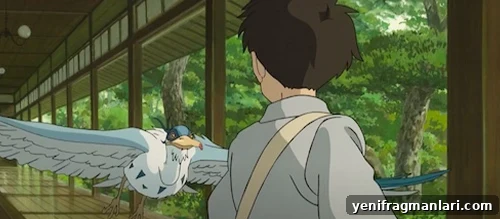
Animation once again found itself sidelined. Annual features like The Hollywood Reporter’s “Brutally Honest Ballot” reveal how many Academy members regard animated films: often they don’t watch them or leave selections to their children. Still, this year seemed to offer a turning point. Two high-profile animated releases captured audiences and critics alike: Sony Pictures Animation’s Spider-Man: Across the Spider-Verse and Studio Ghibli’s The Boy and the Heron.
Both films demonstrated bold storytelling and exceptional artistry that advanced the animated medium. Across the Spider-Verse, directed by Joaquim Dos Santos, Justin K. Thompson, and Kemp Powers, not only lived up to its groundbreaking predecessor but, in many eyes, surpassed it—showing how a sequel can expand and refine an original’s vision. Hayao Miyazaki’s The Boy and the Heron marked a triumphant return from the famed director after a decade away, offering a melancholic, visually sumptuous fantasy set against wartime Japan and exploring life’s difficult choices. Had these films been live-action, they likely would have been serious contenders for top honors. Instead, because they are animated, they were largely confined to the Best Animated Feature category—a dual-edged label that has limited animation’s recognition since that category’s creation in 2002.
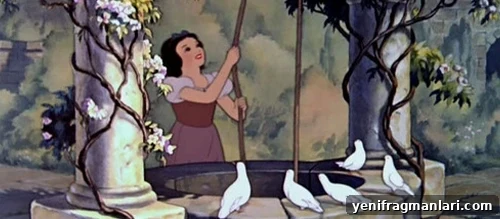
The Academy’s uneasy relationship with animation stretches back decades. A pivotal moment came in 1937 with Walt Disney’s Snow White and the Seven Dwarfs. The film was a technical and emotional breakthrough and a huge box-office success. Rather than competing for Best Picture, however, it received a special achievement award—a gesture that acknowledged its importance while stopping short of full inclusion. That decision set a precedent that continues to influence how animated work is judged.
Occasional progress has been made. In 1992, Beauty and the Beast broke through as the first animated film nominated for Best Picture, signaling a possible shift. Yet that breakthrough remained an outlier. It took until 2010 for another animated film to be nominated for Best Picture, and again in 2011—both cases resulting from the Academy’s temporary expansion of the Best Picture field from five to up to ten nominees. When the Academy widened the category after criticism over missing films like The Dark Knight and Wall-E, it briefly opened the door for animated features. But that door has largely closed; no animated films have been nominated for Best Picture since.
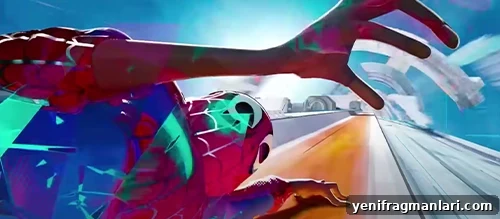
Over the past decade-plus, numerous animated films that matched or exceeded the quality of mainstream Best Picture contenders have been overlooked. In 2019, for example, the Academy awarded Best Picture to Green Book, a controversial choice, while innovative animated films like Spider-Man: Into the Spider-Verse received limited recognition despite their clear artistic achievements. In 2022, the animated documentary Flee earned nominations across Best Animated Feature, Best Documentary Feature, and Best International Film, but still missed a Best Picture nod—another reminder that animation often remains boxed into niche categories.
This pattern matters because Oscars amplify a film’s reach and confer cultural legitimacy. When animation is repeatedly excluded from the highest categories, it sends a discouraging message to the artists and technicians who devote years to crafting these works. Many of those professionals face unstable employment, difficult working conditions, and industry pressures that undervalue their contributions. Recognition from the Academy cannot fix structural industry problems, but meaningful inclusion would acknowledge the artistic breadth and cultural impact of animated films and could spur broader improvements.
At the 96th Academy Awards, both Spider-Man: Across the Spider-Verse and The Boy and the Heron missed opportunities for wider recognition: not only were they excluded from Best Picture contention, but their achievements in score, production design, visual effects, and sound also received limited attention. The result is a continuing disparity between the public’s embrace of animation and the Academy’s tendencies. Each year, the Academy has the chance to change this narrative. For animation’s artists, audiences, and the medium’s future, let us hope that change finally arrives.
Written by Munir Abedrabbo C.
You can support Munir Abedrabbo C. on X (Twitter) @maac027 and Instagram @maac027.