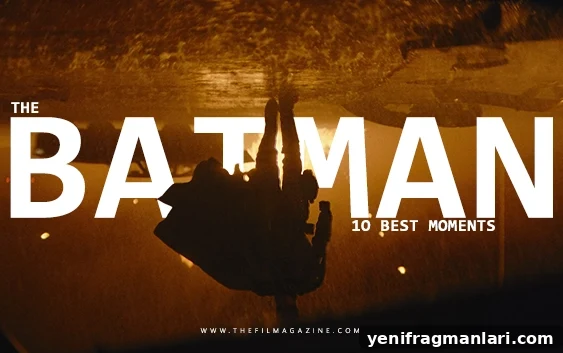
Since his first appearance in DC Comics in 1939, Batman has captivated audiences across generations. The Caped Crusader’s world has been reimagined constantly: from comic books to animated series, video games, films, sculptures, toys and even LEGO. Something about the Dark Knight endures — whether it’s his iconic rogues gallery, his gothic atmosphere, or the deeper themes he embodies. Batman speaks to something universal: we’re fascinated by his struggle, his contradictions, and we keep returning to his stories.
Matt Reeves’ 2022 film The Batman, starring Robert Pattinson and nominated for multiple Academy Awards, revisits the character in a darker, more noir-driven direction. A commercial hit that returned to Batman’s detective roots, the film reframes The Batman as a true investigator, placing emphasis on the character’s intellect and investigative instincts rather than only his physical prowess. The result is a brooding, atmospheric thriller in which Gotham itself functions as a character: corrupt, decayed and morally ambiguous.
Reeves’ film explores a morally complex hero in a city consumed by rot. Its somber tone, layered visuals, and meticulous design elevate the runtime into a sustained, immersive experience. Below are ten standout moments from the film that showcase its strengths in storytelling, character work, cinematography and sound design.
10. Becoming Catwoman
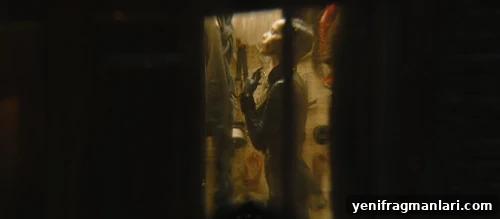
“Listen, baby, we’re gonna get the hell out of here. I promise.”
Selina Kyle’s first true transformation into Catwoman is quietly powerful. We meet her through Bruce Wayne’s point of view, watching from a rooftop as she shifts from a woman in a small apartment to someone who pulls on a skintight catsuit and steps into a new, dangerous role. The scene is intimate and voyeuristic, and the score’s feline cues evoke classic Catwoman portrayals while remaining unique to this film. It’s a subtle but important turning point: Selina moves from being a sympathetic survivor to an active, assertive force. The moment also reveals moral ambiguity in Bruce: he watches and invades privacy, highlighting how this Batman operates in murky territory, morally indistinguishable in some ways from the villains he pursues.
9. Facing Falcone
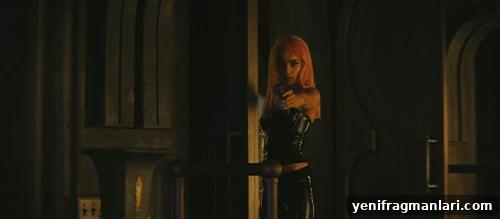
“You don’t think this hurts me? My own flesh and blood, huh?”
The confrontation with Carmine Falcone in the Iceberg Lounge’s hidden club is emotionally intense and narratively decisive. Selina reveals herself as Falcone’s daughter and nearly kills him before Batman cuts the power and intervenes. The ensuing brawl — punctuated by flashes of gunfire and near-heroic violence — highlights Batman’s relentlessness and the danger Selina faces. John Turturro’s Falcone is chilling in his casual cruelty, and the sequence crystallizes Selina’s arc: she has the chance for revenge, but also the opportunity for release. Batman’s intervention brings both justice and mercy, giving Selina a path out of the cycle of abuse and violence.
8. The Sins of Your Father
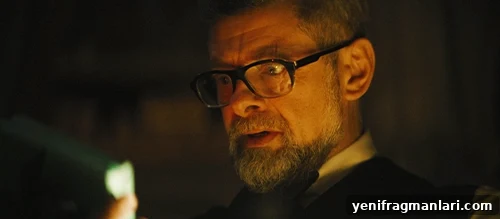
“Jesus, his next victim is Bruce Wayne.”
After tracing a clue to an abandoned room on the Wayne Estate, Batman races back to Wayne Manor as a bomb detonates, engulfing the family home in flames. The scene juxtaposes the frantic rush of the Batmobile with domestic details — a table, scattered mail, Alfred sorting letters — amplifying emotional stakes. Alfred’s role as caretaker and guardian is emphasized when he is hurt defending the house he has maintained for years. The attack on Wayne Manor forces Bruce to confront personal legacy and family responsibility. It also underscores how this Batman, still young and raw, must reconcile his obsession with vengeance against the human bonds he has neglected.
7. The Batmobile
“This guy’s crazy!”
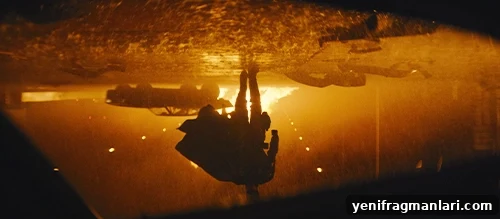
The Batmobile’s arrival is visceral and memorable. Unlike more stylized versions, this vehicle feels raw and industrial, matching the film’s grounded aesthetic. Its roar freezes Penguin and his men, and the sequence flips the usual chase dynamic by placing viewers in Penguin’s perspective, chased by an unstoppable figure. Director and composer choices — especially the fragmented, building score — turn the Batmobile into more than a car; it becomes an ominous force. The chase culminates in an inverted, fire-lit shot of Batman approaching Penguin, symbolically presenting him as a grim arbiter of justice.
6. A Light in the Darkness
“I have had an effect here, but not the one I intended.”
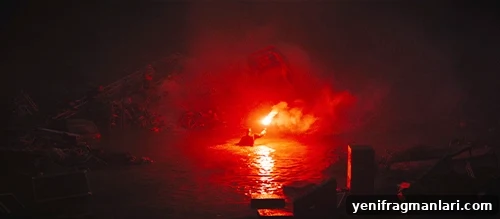
When the Riddler’s explosives flood Gotham, Batman makes a decisive, selfless choice: he severs live electrical cables, dives into the rising water and becomes a literal light amid drowning darkness by igniting a flare and rescuing trapped citizens. The visual language here is exceptional — the cinematography and lighting frame Batman’s fall into the crowd as a kind of rebirth. The moment transforms him from an ambiguous, feared vigilante into a protector people can begin to trust. It’s one of the film’s most satisfying emotional and visual payoffs, as the city finally sees him as more than a myth.
5. The Riddler Strikes
“This city’s been renewing for 20 years. Look where it’s gotten us.”
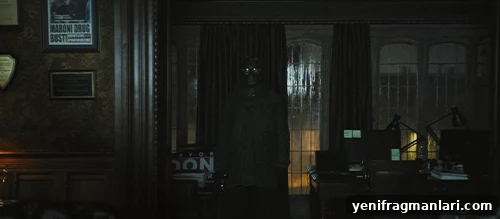
The Riddler’s brutal opening attack on the Mayor sets the film’s tone. Presented with a haunting minor-key arrangement of “Ave Maria,” the sequence establishes the Riddler as both methodical and enraged, a man driven by a sense of righteous fury against Gotham’s elite. This version of the Riddler is chillingly anonymous at first, operating from the shadows with a mix of improvisation and ritualized violence. The opening also anchors the film’s central conflict: an underclass lashing out at a corrupt power structure while a masked vigilante roams the same streets with a different aim.
4. Funeral Crasher
“This is so much bigger than you could ever imagine.”
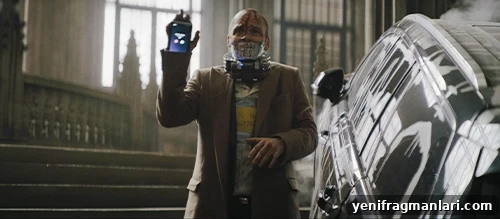
A public appearance by Bruce Wayne at the Mayor’s funeral becomes a catastrophic moment when a vehicle crashes into the service and a man walks out with a bomb collar. The scene’s tension is relentless because it refuses the usual last-second cinematic rescue. The subsequent explosion shatters expectations and drives home the film’s bleak world where consequences are real and brutal. It also reveals Bruce’s discomfort in public life and underscores the character’s deep personal isolation.
3. Enter The Iceberg Lounge
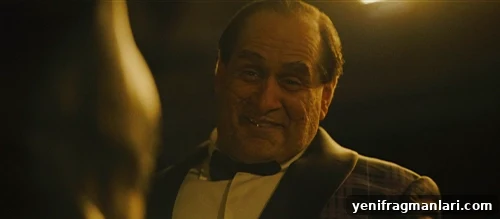
“Take it easy, sweetheart. You looking for me?”
Batman’s descent into the Iceberg Lounge introduces the film’s criminal underworld and Penguin’s power. The sequence is staged as an intrusion into a surreal night club hell, where Batman moves through a crowd that barely notices him until violence erupts. Colin Farrell’s Penguin, heavily prosthetic and fully embodied, commands the room with charisma and menace. The choice to let the club’s music continue over the fight sequences gives the moment a unique texture — violent and oddly mundane at once.
2. I’m Vengeance
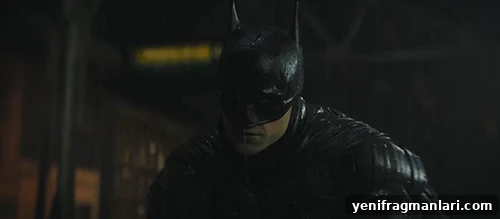
“They think I’m hiding in the shadows. But I am the shadows.”
The film’s opening set-piece establishes Batman’s mythic presence on Gotham’s streets. Narrated in his own voice, the scene shows criminals scattering at the Bat Signal while a raw, still-developing Batman emerges from darkness to confront thugs. This introduction defines the character as a young vigilante: fierce, rough around the edges, and more urban legend than polished hero. It also foreshadows the thematic mirroring between Batman and the Riddler — two masked figures enacting justice through violence, each driven by trauma and a desire for recognition.
1. Visiting The Riddler
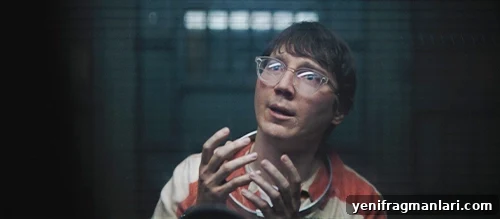
“What’s black and blue and dead all over? You… if you think you can stop what’s coming.”
The film’s most powerful moment occurs in Arkham Asylum when Batman visits the Riddler after his arrest. The exchange is a charged power play: the Riddler repeatedly utters “Bruce Wayne,” forcing a visceral reaction from the Dark Knight and raising the stakes of identity and vulnerability. Paul Dano’s performance is intense and unnerving, presenting the Riddler as both wounded and dangerous. The scene is a masterclass in tension, with slow, deliberate beat-by-beat revelation, subtle musical motifs and an escalating psychological game that reveals how closely the two figures mirror each other. It’s the emotional climax where moral questions about justice, vengeance and identity converge.
All ten moments highlight why The Batman stands out: a bold tonal shift, meticulous craftsmanship, outstanding performances, and a willingness to explore the hero’s moral complexity. The film honors Batman’s legacy while pushing the character into darker, more introspective territory. Which of these moments resonates most with you?
Written by Holly Carter