

This article was originally published to SSP Thinks Film by Sam Sewell-Peterson.
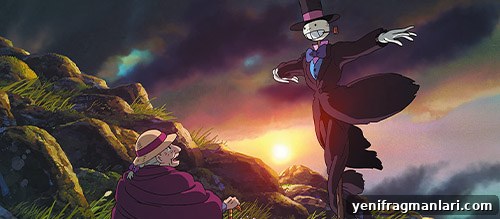
Howl’s Moving Castle (2004)
Director: Hayao Miyazaki
Screenwriter: Hayao Miyazaki
Starring: Chieko Baishô, Takuya Kimura, Ryûnosuke Kamiki, Tatsuya Gashûin, Akihiro Miwa
Howl’s Moving Castle is quintessential Hayao Miyazaki: a richly imagined fairytale that blends environmental concerns, the absurdities of war, and quietly human stories of pride, corruption, and redemption. Studio Ghibli brings this world to life with the kind of hand-crafted animation that rewards slow, careful viewing. The film is at once whimsical and melancholic, and its visual and emotional textures linger long after the credits roll.
The story centers on Sophie Hatter (Chieko Baishô), a self-effacing hatmaker who lives a modest, predictable life. When the Witch of the Waste (Akihiro Miwa) curses Sophie, she is transformed into an elderly woman and must conceal her affliction from those around her. Sophie flees and finds refuge in the extraordinary moving castle of the wizard Howl (Takuya Kimura): a lumbering, ramshackle construct of gears, doors, turrets, and improbable engineering animated by Calcifer, a fire demon (Tatsuya Gashûin). Sophie becomes the castle’s housekeeper, and the film unfolds as an intimate portrait of unusual people thrown together by fate.
On the surface, Howl appears charming and self-centered, a reluctant hero who avoids involvement in the war raging beyond the castle’s doors. As the narrative progresses, his complexity deepens—Miyazaki allows viewers to discover Howl’s vulnerabilities and the moral dilemmas that shape him. Sophie, meanwhile, experiences a subtle but powerful inner growth: the curse forces introspection, and her outward aging becomes a conduit for self-discovery. Chieko Baishô’s voice work captures both Sophie’s steadiness and the small transformations that define her arc.
Visually, the film is a masterclass in animation. Each frame is composed with a painterly attention to color, light, and texture. Dreamlike landscapes shift into industrial battlefields, and the moving castle itself feels alive, its eccentric design serving both comedic and emotional purposes. Miyazaki resists over-explaining the strange — fantastical elements are presented as natural parts of the world rather than puzzles to be solved. This creative restraint invites audiences to accept the surreal and focus on the characters’ interior lives.
Joe Hisaishi’s score underscores the film’s emotional currents with a delicate touch. His themes often resemble lullabies: simple, haunting, and capable of stirring nostalgia. The music never overwhelms the imagery; instead, it weaves through scenes, enhancing moments of tenderness, humor, and quiet sorrow. The soundtrack is integral to the film’s ability to balance whimsy with weight.
Thematically, Howl’s Moving Castle engages with ideas that recur throughout Miyazaki’s work: the consequences of war, the necessity of compassion, and the possibility of change. The antagonists are not cartoonishly evil; they are misguided, hurt, or blinded by ambition. This moral ambiguity allows for redemption rather than punishment and keeps the film rooted in humane sensibilities. The conflict is often internal as much as external, and the narrative emphasizes personal responsibility and the healing power of connection.
Yet the film is not without flaws. The pacing is deliberate, which is generally rewarding, but in the final act the plot becomes more diffuse. Certain revelations about Howl’s past and the mechanics behind some of the film’s key transformations feel underdeveloped, leaving a few narrative threads looser than expected. Despite these shortcomings, the emotional payoff remains strong, and the film’s visual inventiveness compensates for occasional lapses in clarity.
For viewers who appreciate animation that trusts imagination over exposition, Howl’s Moving Castle delivers a captivating and often moving experience. It balances lyrical visuals with human-scale storytelling, creating a film that is both accessible and richly layered. If you allow yourself to be swept into its strange, melancholic world, you’ll find a story about courage, change, and the quiet power of love and friendship.
23/24