
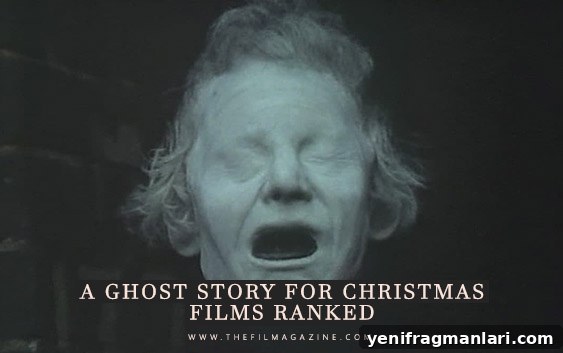
On 7 May 1968 the British Broadcasting Corporation released a short film adaptation of M. R. James’s ghost story “Oh, Whistle, and I’ll Come to You, My Lad” as part of its omnibus programming. That modest production revived interest in James and the classic ghost tale. In 1971 the BBC followed with the first of its A Ghost Story for Christmas films—an adaptation of James’s “The Stalls of Barchester Cathedral.” Over the next several years seven more films appeared, one each Christmas, largely drawn from James but including two original pieces and one Dickens adaptation, until the run ended in 1978.
In 2005 BBC Four revived the strand, beginning with James’s “A View from a Hill.” Since then ten more films have been made intermittently; most are M. R. James adaptations, with only a few exceptions by other authors or original scripts. In the old-fashioned spirit of telling ghost stories at Christmas—an activity Dickens himself loved and helped popularize for anthology writers of his day—this feature gathers and ranks all eighteen films from the original and revival series. So settle down with a mug of cocoa, a warm fire and prepare for a chill: these are A Ghost Story for Christmas Films Ranked.
18. The Ice House (1978)
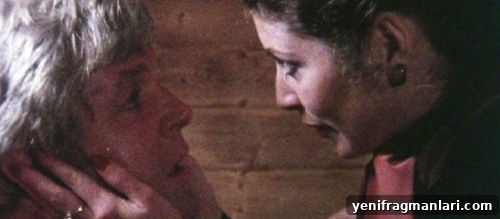
The Ice House, one of two original stories from the original run, effectively closed the series for nearly three decades. A guest at a countryside hotel becomes friendly with the owners, a young brother-and-sister team. He feels sudden cold spells, and there’s something odd about a modern hotel that still keeps an ice house at the end of its garden.
Directed by someone other than Lawrence Gordon Clark for the first time in the original series, the film disappoints. It lacks atmosphere and genuine chills: performances try to add weight, but the plot never quite rattles the bones. The final revelations are bland and soon forgotten; ghosts or real menace are largely absent, leaving an unremarkable, unspooky piece.
17. Stigma (1977)
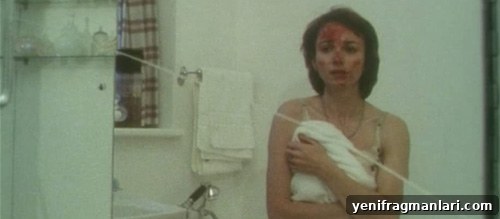
Stigma, the other original story from the original run, sets a modern domestic tale against an ancient place: after a boulder is moved from a garden in Avebury, a mother begins to bleed with no visible wounds. Filmed in the same Wiltshire setting used for the folk-horror serial Children of the Stones, Stigma takes risks by blending past and present and leaning into more explicit imagery.
It’s an intriguing premise and a bold attempt to modernize the ghost story, but the payoff falls short. The film emphasizes gore yet never fully delivers the creeping dread a ghost story needs; its abrupt ending and underdeveloped scares keep it from being memorable. For better folk-horror from the same period and location, the earlier serial is worth watching.
16. Martin’s Close (2019)
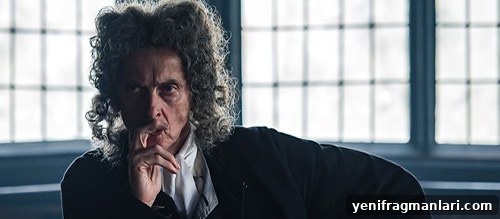
Peter Capaldi reunites with writer-director Mark Gatiss for this M. R. James adaptation. Simon Williams frames the story as a storyteller narrating an old court case: Capaldi’s Dolben must present evidence in the trial of John Martin for the murder of a young woman—except witnesses report seeing her after her death.
The acting is strong and the direction competent, but the film never quite ignites. The storyteller framing device, though evocative of fireside narration, repeatedly interrupts immersion. The result is a well-crafted yet unremarkable adaptation that never fully seizes the nerves.
15. Woman of Stone (2024)
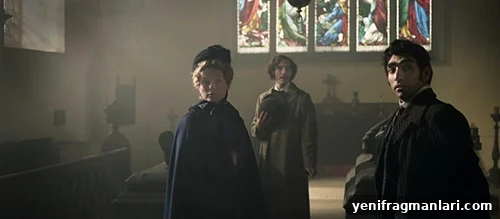
Woman of Stone adapts Edith Nesbit’s “Man-Size in Marble,” marking the first contribution to the series taken from a female author. Framed by an older Nesbit recounting the tale to her doctor, the story follows newlyweds Jack and Laura who move near a church where two effigies are said to rise each Christmas Eve and walk the earth.
The film shows high craft and good performances, but its half-hour runtime cramps development. Gatiss’s choice to use Nesbit as a framing device consumes valuable screen time, and the addition of a domestic violence subplot distracts from the supernatural core. Changes that reveal too much blunt the story’s subtlety. Well made but flawed by pacing and heavy-handed exposition.
14. The Treasure of Abbot Thomas (1974)
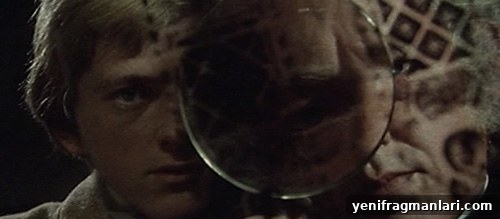
In this 1974 adaptation, a rational-minded reverend and his young protégé expose a fake séance before embarking on a hunt for a monastery founder’s hidden treasure. The search leads to unsettling discoveries.
The tunnel crawl and a wordless final sequence stick in the mind, and the film uses silence effectively at key moments. Yet the story suffers from uneven pacing. The opening séance, intended to establish the reverend’s skepticism, overstays its welcome and feels disconnected from the main treasure-hunt tension, making the overall piece less cohesive than it could have been.
13. Number 13 (2006)
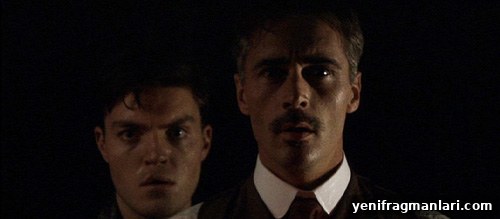
M. R. James rarely used the haunted room conceit, but “Number 13” does. In this 40-minute adaptation, Greg Wise’s Professor Anderson researches local figures from his rented room at an inn where a mysterious door numbered 13 appears and disappears, accompanied by strange noises and shadows.
The adaptation preserves James’s antiquarian tone and transfers the setting effectively. A shadow on the wall becomes the story’s central chill, and the final moments, though slightly overplayed for James’s typical restraint, work in this modern retelling. It’s a serviceable and atmospheric take that remains quietly effective.
12. The Ash Tree (1975)
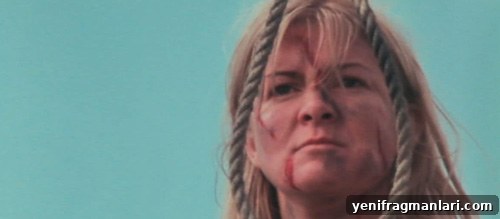
The Ash Tree explores witchcraft accusations, haunted family pews and the consequences of disturbing the past. A new squire insists on extra church seating, which requires moving graves linked to witch trials; he also fells an old ash believed to bind souls to the earth.
While echoes of later television witch-hunter stories are apparent, this film builds atmosphere steadily and culminates in a genuinely nightmarish finale: small scuttling creatures that emerge late in the story are among the most unnerving images across the series. That ending rescues the film and cements its place as a memorable adaptation.
11. Count Magnus (2022)
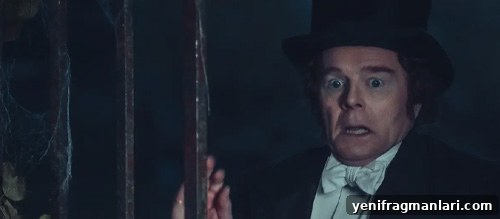
Mark Gatiss’s Count Magnus follows an inquisitive scholar who travels to Sweden to probe an old family history. He uncovers a legacy of black rites surrounding Count Magnus whose ancient power may not be entirely dormant.
Jason Watkins plays the eccentric, eager Mr Wraxhall, with Max Bremer’s innkeeper delivering standout support. The film is slow to build, delivering its lore in small fragments that never quite coalesce into a fully gripping climax. Some striking moments, including a gory reveal, lift the piece, but overall it feels measured and familiar rather than terrifying.
10. Lot No. 249
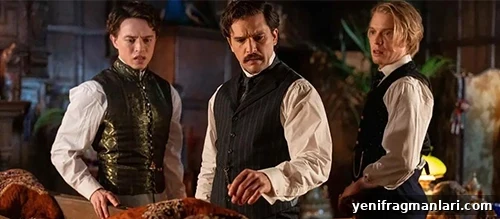
One of the few non-James adaptations in the revival, Lot No. 249 adapts Arthur Conan Doyle’s 1892 tale of an Oxford-styled Egyptomania and a possibly animate mummy. Kit Harington stars as Abercrombie Smith, a medical student confronting a disturbing series of events linked to an auctioned Egyptian lot.
The film is streamlined for a 30–40 minute runtime but looks and feels polished. Makeup and prosthetics on the mummy are well realized and the narrative moves at a brisk pace. A new kicker ending feels suitably pulpy while remaining organic to the story’s tone. It’s an enjoyable cold-weather chiller that does justice to its source within the constraints of short-form television.
9. Whistle and I’ll Come to You (2010)
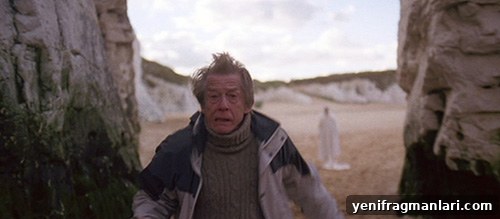
John Hurt leads this modern reimagining of the 1968 classic, written by Neil Cross. A retired academic on a seaside break finds an old ring on the beach; soon he is haunted by noises and a pale figure in white stalking the shore.
Hurt’s performance is quietly devastating, projecting sorrow and weariness that fuel much of the film’s tension. The adaptation reframes the original avenging spirit as a manifestation of grief, which creates a poignant emotional center but also makes the supernatural mechanics more explicit than in James’s tale. Still, the film’s atmosphere and Hurt’s presence make it a strong modern interpretation despite its clearer thematic statement.
8. The Stalls of Barchester (1971)
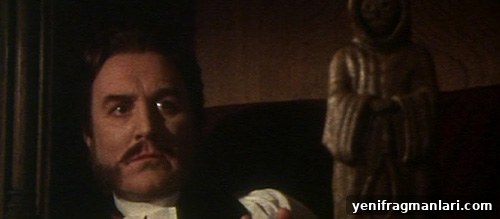
The Stalls of Barchester was the very first film in the series. Robert Hardy plays Archdeacon Haynes, who discovers unsettling voices in his house, a prowling black cat and a sense that the cathedral’s carved stalls were once connected to sinister rites.
Hardy’s performance elevates the film: his mounting uncertainty and crisis of faith are compelling, and the production understands James’s technique of withholding the full revelation until a powerful final moment. Be patient through a slow opening—the concluding sequences deliver genuine creepiness and reward the viewer’s attention.
7. A View from a Hill (2005)
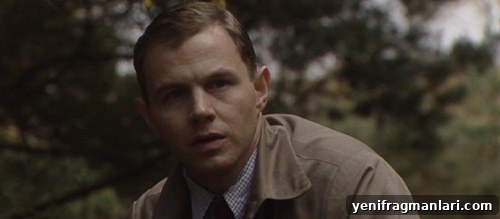
The revival’s opening entry shows Dr. Fanshawe spotting a cathedral through a friend’s old binoculars that disappears when viewed directly. Strange visions and a recreated antiquarian past converge as something in that cathedral turns its attention to Fanshawe.
Despite budgetary cuts that forced some scenes to be omitted, writer Peter Harness and director Luke Watson capture James’s antiquarian tone for modern viewers. The adaptation adds a few well-placed shock beats and maintains a measured build toward an ambiguous, haunting finale—one of the revival’s most successful translations of James’s atmosphere.
6. The Mezzotint (2021)
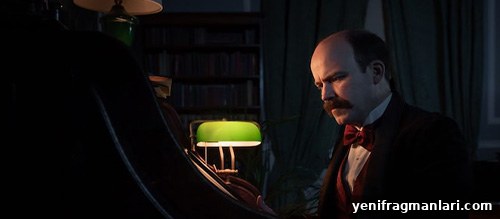
The Mezzotint adapts one of James’s most inventive tales: a museum print that changes each time it’s observed, showing a skeletal figure creeping closer to a country house. The film handles the premise with restraint, relying on acting, design and gradually mounting unease rather than cheap shocks.
The evolving image is genuinely disturbing, and the adaptation’s confident climax reframes the haunting toward a more active, demonic presence. While a slightly shorter cut might have preserved a bit more of James’s mystery, overall this is a skillful, atmospheric translation of a difficult-to-stage concept.
5. The Tractate Middoth (2013)
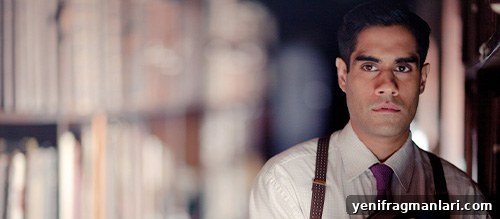
Mark Gatiss’s adaptation of The Tractate Middoth is widely regarded as the revival’s best James piece. It follows a young librarian searching for a hidden will while a cobweb-covered figure in a black cloak lurks on the estate steps.
Faithful to the source, gorgeously shot and superbly acted, the film captures gothic dread in daylight and sustains a sense of gloom throughout. Gatiss and his cast create a finely realized, eerie half-hour that channels the spirit of James while standing on its own as an elegant ghost story.
4. The Dead Room (2018)
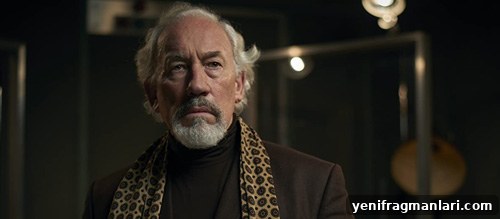
An original story from the modern era, The Dead Room stars Simon Callow as Aubrey Judd, host of a ghost-story radio program. As Judd recounts tales and rails against modern technology, his own past begins to haunt him.
The Dead Room is a love letter to ghost-story traditions and to storytellers themselves. Callow’s performance and the screenplay’s reverence for the form make this a quietly powerful chiller—an ideal introduction to Mark Gatiss’s sensibility for anyone unfamiliar with his work.
3. Lost Hearts (1973)
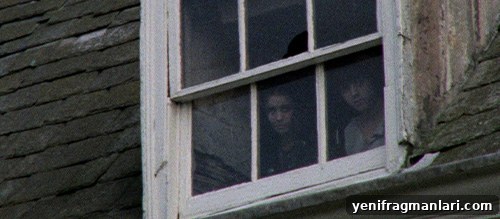
Lost Hearts delivers unnerving imagery with spectral children and folk-horror undertones. Young Stephen moves in with his elderly cousin Mr. Abney and soon encounters two ghostly children missing their hearts—an image that lodges in the mind.
The film blends creepy atmosphere, a striking central villain performance and folk-horror motifs of the early 1970s to create one of the series’ most memorable and unsettling shorts. Its concise, sharp shocks make it a standout.
2. The Signalman (1976)
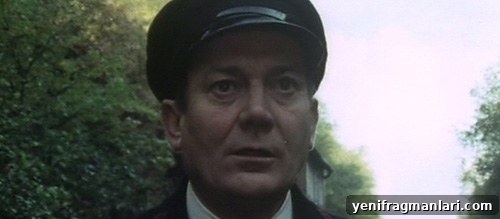
Adapting Charles Dickens rather than James, The Signalman tells of a railway signalman haunted by a waving figure that appears before disaster on the line. Denholm Elliott gives a powerful, terrified performance opposite a sympathetic traveler, and the film’s restrained direction builds dread with economy and precision.
Strong acting, careful editing and an effective final cross-cutting sequence produce a palpable sense of doom. It remains one of the most chilling and expertly paced entries in the series.
1. A Warning to the Curious (1972)
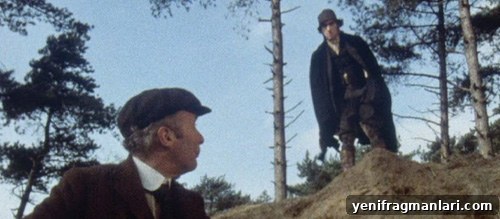
At the top of the list is A Warning to the Curious, one of James’s best-known tales and arguably the finest film in the BBC series. An amateur archaeologist searches for a legendary crown said to protect the English coastline; removing it invites a fate he did not expect.
Peter Vaughan’s Paxton embodies the story’s anxiety about modernity supplanting tradition. The film keeps terror mostly off-screen—anonymity and implication do the heavy lifting—so when menace is finally suggested it feels inevitable and mortally serious. This measured, bleak adaptation captures James’s warning to the curious: some things are better left undisturbed.
Which of the BBC’s A Ghost Story for Christmas shorts is your favorite? Share your thoughts in the comments below.
Updated 28 December 2024. Previous version: 9 January 2024.