
Spy Kids (2001)
Director: Robert Rodriguez
Screenwriter: Robert Rodriguez
Starring: Alexa PenaVega, Daryl Sabara, Antonio Banderas, Carla Gugino, Danny Trejo, Alan Cumming, Tony Shalhoub, Terri Hatcher, George Clooney
Released in 2001, Spy Kids was written, edited, produced and directed by Robert Rodriguez. The film presents itself as a family-friendly spy adventure with a strong, recognizable cast including Antonio Banderas, Carla Gugino, Danny Trejo, Alan Cumming and Tony Shalhoub, and a memorable cameo from George Clooney. At first glance it’s a harmless, playful picture aimed at younger viewers—partly a child-safe riff on classic spy cinema, filtered through late-1990s and early-2000s gadgetry and a focus on family values and Latinx representation.
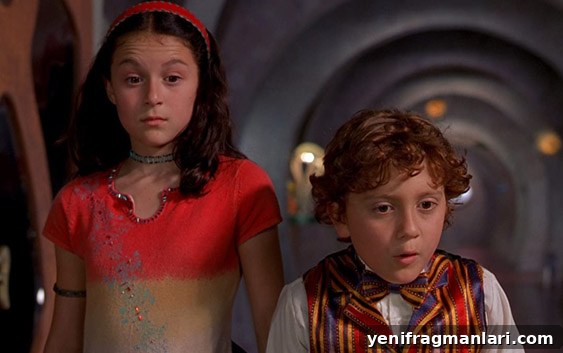
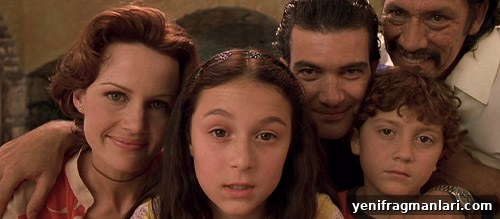
Spy Kids centers on Gregorio and Ingrid Cortez (Banderas and Gugino), two former field operatives for the OSS who left active missions nine years earlier to raise a family. Their children, Carmen (Alexa PenaVega) and Juni (Daryl Sabara), are unaware of their parents’ past lives. When the Cortezes are captured shortly after leaving for a new assignment, the siblings are sent to a safe house, only to escape and embark on a rescue mission that takes them into the lair of the eccentric Floop (Alan Cumming). The stakes quickly escalate as they discover robotic impostors and broader threats that put the world at risk.
One of the film’s darker elements is surprising given its target audience: Floop’s cheery children’s show conceals a disturbing truth. The show’s odd puppet-like creatures are revealed to be mutated and imprisoned OSS agents forced to perform. The movie touches on this unsettling idea but never explores it in depth, choosing instead to balance darker conceits with lighthearted set pieces and family moments.
Structurally, Spy Kids often feels like several smaller films stitched together. The narrative alternates between the kids’ road-trip-style adventure—full of sibling bickering, teamwork and ingenuity—and the intermittent scenes of their parents as they attempt to escape captivity. Alongside these main threads are half-developed subplots: hints of an estranged uncle with a complicated past, a mysterious science team called the Third Brain, and suggestions of corruption within the OSS. The result is energetic and busy, but occasionally scattershot; many of these ideas could have supported their own extended arcs.
At the heart of the movie is the Cortez family’s chemistry. Gregorio and Ingrid are portrayed as deeply affectionate and flirtatious, their relationship portrayed with genuine warmth and comedic timing rather than being merely a backdrop. Banderas and Gugino bring charisma and believable intimacy to their roles, allowing the film to sell the notion that two former spies can also be loving, grounded parents. That balance—between domestic life and action—remains one of the movie’s strengths, offering a positive portrayal of family teamwork without turning the characters into caricatures.
Supporting performances add charm. Danny Trejo, in particular, provides a playful presence, and the casting choice that links his character to the later Machete films adds a fun layer of intertextuality for adult viewers. Alan Cumming’s Floop is delightfully odd and unsettling in equal measure, delivering much of the movie’s quirky energy.
Where the film shows its age is in its heavy use of green screen and early-2000s CGI. Spy Kids debuted at a moment when digital effects were advancing quickly, and filmmakers often leaned on them heavily. In this case, many of the visual effects now read as dated; sequences that aimed to be dazzling instead draw attention to their artifice. Modern audiences revisiting the film will likely notice how rapidly the aesthetics have aged compared with more restrained practical effects.
Viewed through the lens of nostalgia, it’s easy to be forgiving. Spy Kids was never meant as high art; it is a playful, imaginative family picture with a clear focus on entertaining younger viewers while giving adults a few clever touches. Returning to it decades later reveals both its charms and its flaws: lively performances, inventive gadgetry and family warmth, alongside a crowded plot and effects that haven’t aged gracefully. The movie works best when remembered as a product of its time—an earnest, sometimes messy, but ultimately affectionate take on the spy genre designed for kids and families.
12/24
Recommended for you: Spy Kids movies ranked
You can support Darcy Rae in the following places:
Twitter – @dxrcyer
Instagram – @dxrcyer
Blog – Austen-tatious Darling