
Alive (2020)
Director: Jimmy Olsson
Screenwriter: Jimmy Olsson
Starring: Eva Johansson, Madeleine Martin, Joel Ödmann
Swedish writer-director Jimmy Olsson returns with Alive (2020), a tender short that balances warmth and melancholy with subtle humor. Following his earlier short work, Olsson crafts a compact, affective story that centers on connection, choice, and dignity. Shot and paced with the care of a feature film, Alive unfolds across 23 minutes and leaves a lasting impression through its performances and clear-eyed representation.
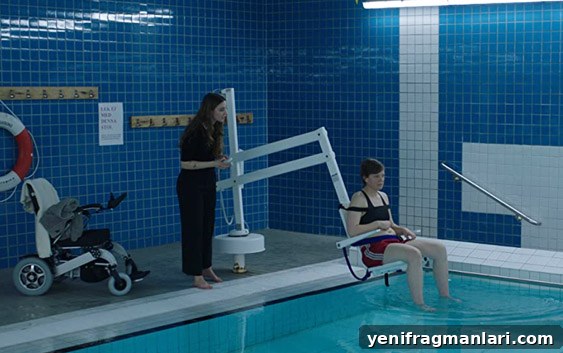
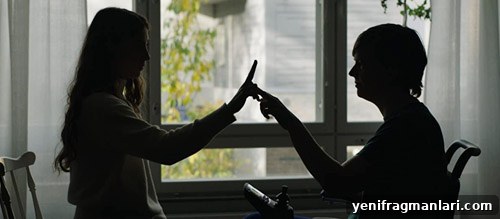
The film follows Viktoria (Eva Johansson), a woman with a disability who lives with the practical realities of needing regular care. She spends her days with different carers, yet forms a particularly close bond with Ida (Madeleine Martin). When Ida embarks on a romantic relationship with Bjorn (Joel Ödmann), Viktoria’s yearning for intimacy comes to the surface in a way that forces everyone to confront assumptions about agency and protection.
Olsson’s screenplay smartly avoids sentimental clichés while allowing the characters to breathe. A central sequence — the creation of a dating profile for Viktoria — operates as both comic relief and a pivot toward deeper conflict. When a potential match raises concerns, Ida’s protective instincts collide with Viktoria’s desire to make her own choices. That tension drives the emotional center of the film and raises broader questions about autonomy, risk, and trust.
Alive is particularly noteworthy for its depiction of disability. Rather than reducing Viktoria to hope or pity, the film presents her as a fully realized person whose needs and wishes matter. The relationship between Viktoria and Ida is drawn with nuance: Ida’s anxiety and genuine care do not erase Viktoria’s voice. This dynamic allows Olsson to examine how well-meaning protectiveness can sometimes be stifling, and how respect for another person’s choices is itself a form of love.
The two lead performances carry the film. Eva Johansson brings quiet strength and emotional clarity to Viktoria, making her inner life visible without overstatement. Madeleine Martin’s Ida is warm, flawed, and believable — her chemistry with Johansson gives the film its heart. Joel Ödmann, as Bjorn, completes the core trio with a restrained presence that keeps the focus on the evolving bond between Viktoria and Ida.
Technically, Alive is polished. Olsson’s direction keeps scenes economical but expressive, allowing small gestures and looks to say a great deal. The cinematography frames intimate moments with a steady, empathetic eye; lighting and composition lend the film a tactile realism that enhances its emotional honesty. The short’s 23-minute runtime is used efficiently, with each scene contributing to character development or thematic clarity, a challenging feat in short-form storytelling.
One of Alive’s strengths is how it blends tones. Humorous moments punctuate the drama, making characters feel human and relatable. The film’s emotional arc moves deliberately from companionship and domestic routine to tension and, ultimately, a thoughtful resolution that affirms agency without glossing over vulnerability. The result is a short film that feels complete and resonant.
Alive also works as a conversation starter about representation in cinema. It presents disability as part of daily life rather than as a narrative device, and it treats choices made by disabled characters as meaningful and valid. This approach broadens the short’s appeal beyond festival circuits and enriches ongoing discussions about inclusivity on screen.
In sum, Alive (2020) is a warm, well-crafted short that highlights strong performances, careful direction, and a humane perspective on autonomy and care. For viewers interested in short films that combine emotional nuance with thoughtful social awareness, Alive is a rewarding watch — a compact, life-affirming piece that lingers beyond its brief running time.
20/24