
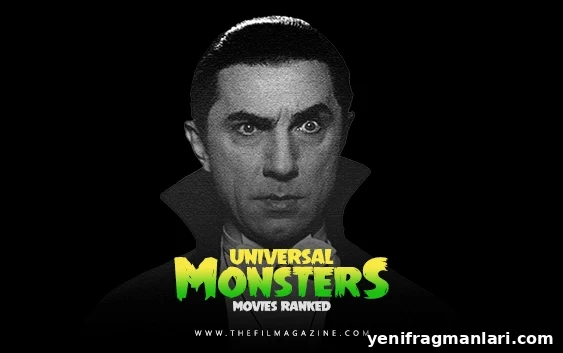
Few studios became as closely identified with a single genre as Universal did with horror in the 1930s and 1940s. The Universal Monsters cycle established many of the techniques filmmakers still use to create atmosphere, suspense, and memorable characters. Those films shaped the vocabulary of cinematic horror and left a legacy that remains influential today.
Universal had shown an early talent for lavish, atmospheric productions well before sound films—Lon Chaney’s The Hunchback of Notre Dame (1923) being a notable example—but the rise of the Talkie pushed the studio to find reliable, cost-effective ways to draw audiences seeking escapism. The studio’s run of monster pictures—more than thirty films centred on a handful of unforgettable creatures—proved a consistently profitable formula and helped define a genre.
This ranked list covers all 32 entries in the classic Universal Monsters franchise, from the lesser-known later sequels to the masterpieces that shaped screen horror. Below are concise, readable evaluations of each film and what they contribute to the cycle.
32. Son of Dracula (1943)
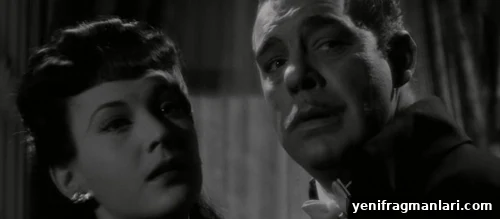
Lon Chaney Jr. appears as Dracula’s heir disguised as the aristocratic Alucard, arriving in the United States to unleash a new reign of terror. The film feels padded and dated, and Chaney’s casting as a refined vampire doesn’t entirely convince.
31. The Mummy’s Curse (1944)
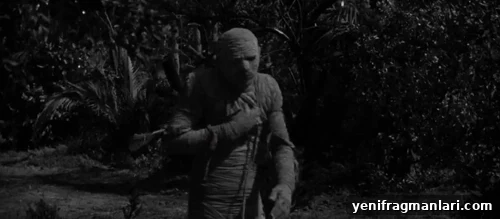
This follow-up finds Kharis revived in the Louisiana bayous as he searches for a modern reincarnation of his lost love. It recycles familiar plot beats and relies on pulpy atmosphere more than originality, though it retains some B-movie entertainment value.
30. The Mummy’s Ghost (1944)
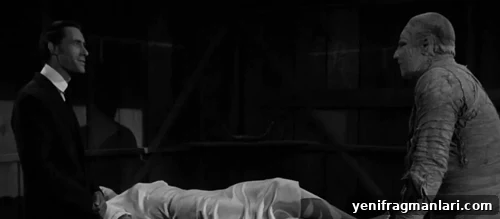
High Priest Yousef Bey revives Princess Ananka’s guardian, Kharis, when a modern woman resembles the ancient princess. Transplanting the mummified horror to an American setting provides novelty, but otherwise the film offers the familiar, efficient sequel formula Universal used in this period.
29. Phantom of the Opera (1943)
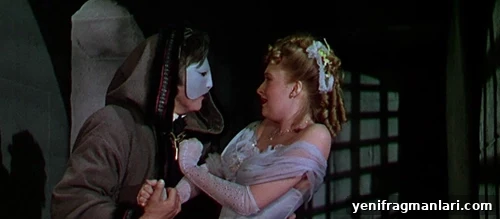
Claude Rains stars as the disfigured composer who hides behind a mask and seeks revenge while protecting Christine’s career. This Technicolor version reuses grand sets but lacks the distinct vision that might have made it essential.
28. The Mummy’s Tomb (1942)
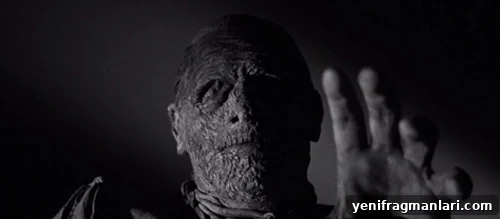
Kharis is transported to America and bent on avenging his desecrated princess. The film plays like an early slasher prototype, economical and brisk, though it occasionally leans on footage from earlier entries.
27. The Invisible Man’s Revenge (1944)
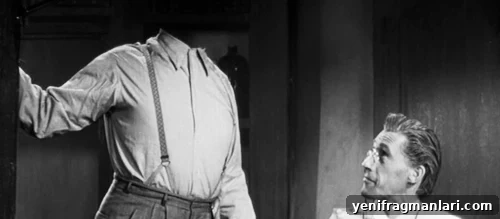
A fugitive obtains invisibility and seeks revenge on those who wronged him. While the premise lacks imagination, the film includes inventive visual effects and some unexpectedly gruesome set pieces.
26. Abbott and Costello Meet the Mummy (1955)
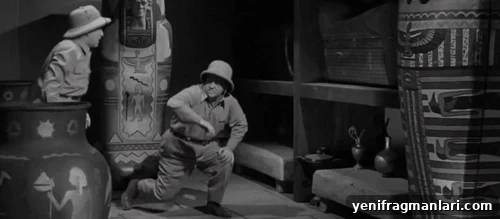
The comic duo are framed for murder while criminals hunt a lost tomb. The film’s slapstick and farce are the focus; the mummy itself is often absent, but fans of the team will enjoy the timing and absurdity.
25. The Ghost of Frankenstein (1942)
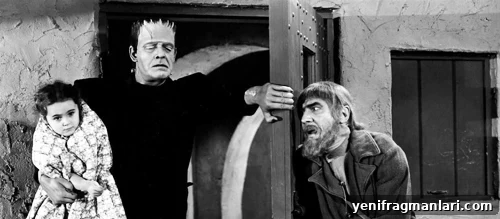
Ygor manipulates a new Baron Frankenstein into continuing his experiments, plotting to secure his own immortality. Bela Lugosi’s performance as Ygor remains a highlight, though the film drifts into repetitive Frankenstein-family melodrama.
24. Abbott and Costello Meet Dr. Jekyll and Mr. Hyde (1953)
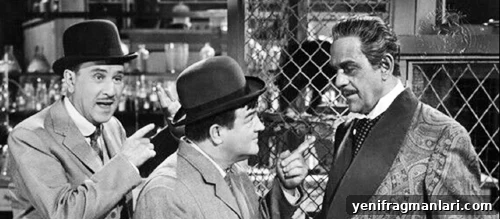
Working for Scotland Yard, Abbott and Costello encounter murders tied to Dr. Henry Jekyll, portrayed by Boris Karloff. The film balances farce with solid transformation scenes and benefits from Karloff’s presence.
23. She-Wolf of London (1946)
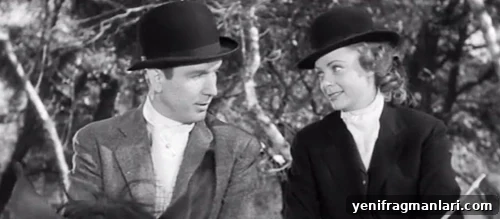
An heiress believes a family curse is driving grisly murders. June Lockhart gives a strong performance in a film that subverts expectations and emphasizes psychological unease over traditional monster spectacle.
22. Abbott and Costello Meet the Invisible Man (1951)
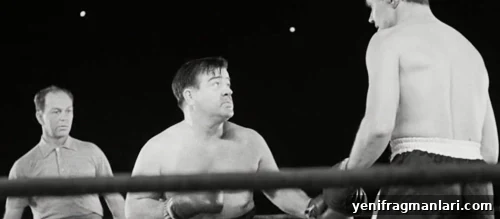
The duo become embroiled with an invisibility serum and a comic boxing match in which the invisible antagonist puppeteers one of them. The central set piece makes this one memorable despite uneven pacing.
21. The Invisible Woman (1940)
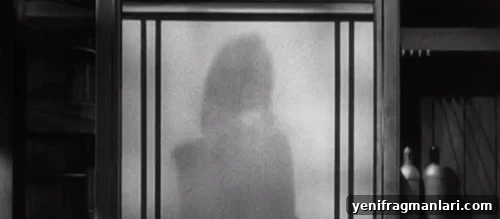
A fired model tests an invisibility device and uses it for revenge and slapstick justice. The film is broad comedy with notable performances and a mix of dated gender politics and robust physical humor.
20. Revenge of the Creature (1955)
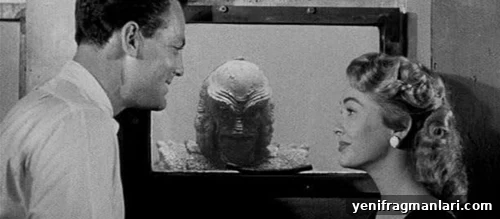
The Gill-man is captured and taken to an aquarium, where his connection to a researcher stirs conflict. Bringing the creature into contemporary America refreshes the myth and influenced later adaptations that explore the creature’s tenderness and tragedy.
19. House of Frankenstein (1944)
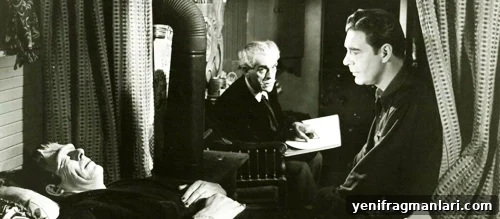
A mad scientist escapes prison and unleashes Dracula, the Wolf Man, and Frankenstein’s Monster. The film capitalizes on the novelty of multiple monsters together, even if critics found the results uneven at the time.
18. Abbott and Costello Meet Frankenstein (1946)
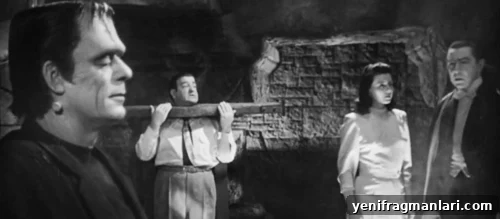
Abbott and Costello unpack a cargo that includes Dracula, Frankenstein’s Monster, and the Wolf Man. The film’s blend of genuine monster performances and straight-faced delivery from iconic actors like Bela Lugosi makes it a consistently entertaining hybrid of comedy and horror.
17. Frankenstein Meets the Wolf Man (1943)
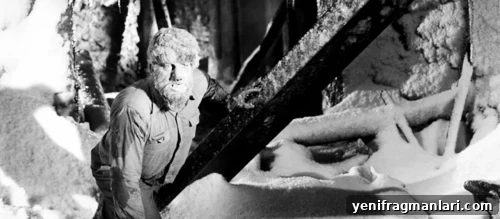
When the Wolf Man seeks a cure, he becomes entangled with Frankenstein’s legacy. The film offers the first full werewolf transformation on screen and stands as an early and influential crossover within the franchise.
16. Invisible Agent (1942)
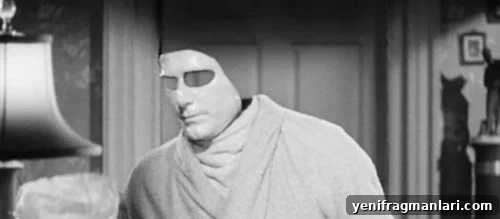
A wartime spy thriller that uses the invisible formula in service of a dangerous mission behind enemy lines. It’s fast-paced and inventive with special effects pushed to inventive new uses, even as it displays some period stereotypes.
15. Werewolf of London (1935)
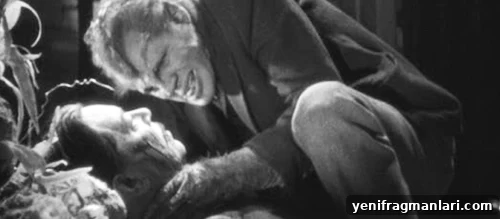
A botanist returns from the Himalayas carrying an infection that transforms him into a killer at night. As an early werewolf film, it blends Jekyll-and-Hyde themes with exoticism to create a striking if imperfect precursor to later classics.
14. The Invisible Man Returns (1940)
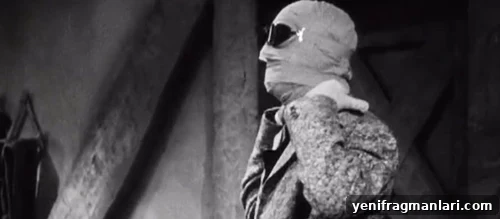
Vincent Price stars as a man aided by the brother of the original Invisible Man to escape false murder charges. The sequel builds on special effects and suspense, including clever attempts to flush out the invisible antagonist.
13. Dracula’s Daughter (1936)
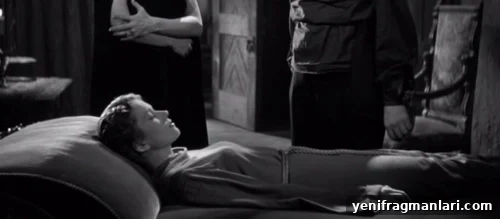
Gloria Holden portrays a vampire countess striving to free herself from her family’s curse. Without Bela Lugosi, the film takes a different, subtler direction and contains credible queer subtext and a haunting central performance.
12. The Mummy’s Hand (1940)
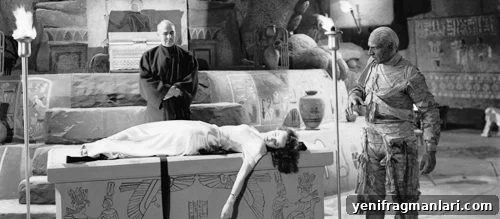
This soft reboot starts a new Mummy saga with archaeologists clashing with Karnak priests. Its tone of breezy adventure and dated but effective imagery anticipates later, more modern reimaginings.
11. Dracula / Drácula (1931)
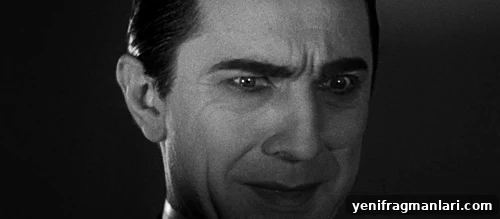
Bela Lugosi’s iconic Count Dracula arrives from Transylvania to prey on England. The English-language Tod Browning film is a foundational horror picture; the Spanish-language version shot on the same sets is often praised for its cinematography and fluidity.
10. The Phantom of the Opera (1925)
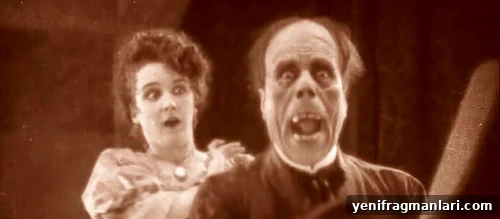
Lon Chaney’s haunting Phantom stalks the Paris Opera House in this ambitious silent adaptation. The film’s production design, intricate plotting, and the infamous unmasking scene make it one of the silent era’s great horror achievements.
9. Creature from the Black Lagoon (1954)
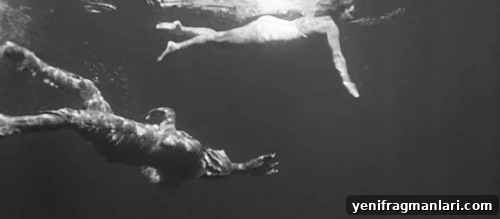
An Amazon expedition encounters a prehistoric amphibious humanoid. Notable for its unforgettable creature design and pioneering underwater cinematography, the film blends classic monster storytelling with 1950s visual spectacle.
8. Son of Frankenstein (1939)
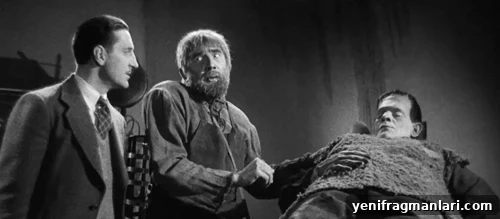
The son of Dr. Frankenstein returns to his ancestral castle and continues dark experiments, aided by the sinister Ygor. The film abandons strict continuity but delivers memorable performances—especially Lugosi’s Ygor—and inspired later spoofs and homages.
7. The Creature Walks Among Us (1956)
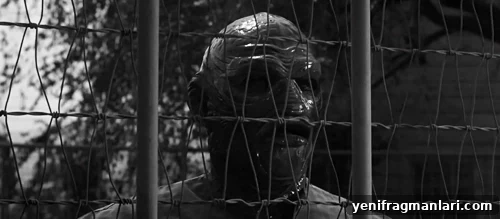
The Gill-man is transformed toward humanity after an accident; attempts to integrate him reveal how human cruelty deepens his tragedy. As the last in the original run, it offers thoughtful melancholy and a distinct, somber tone.
6. House of Dracula (1945)
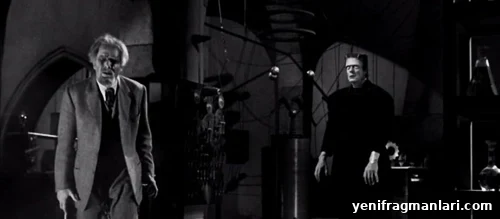
Featuring Dracula, the Wolf Man, and Frankenstein’s Monster, this crossover improves on previous ensemble efforts with a memorable secondary villain and tightened plotting, making it the best of the later monster team-ups.
5. The Wolf Man (1941)
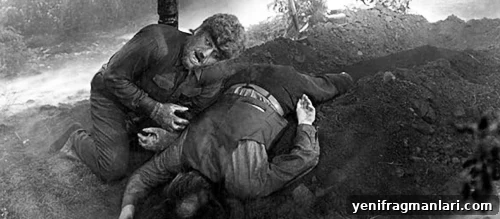
Lon Chaney Jr.’s Laurence Talbot is cursed to transform into a werewolf. Curt Siodmak’s script established much of the movie werewolf lore and made the character a sympathetic, tragic figure; the film remains a cornerstone of the genre.
4. The Mummy (1932)
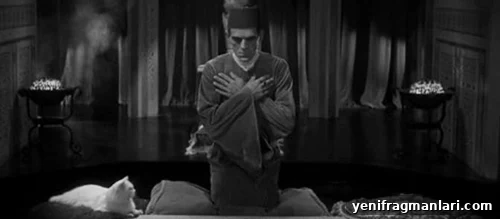
Boris Karloff’s Imhotep awakens and assumes human form to pursue a ritual that will restore his lost love. With eerie imagery and Karl Freund’s striking cinematography, this atmospheric film remains one of the series’ most effective and chilling entries.
3. Frankenstein (1931)
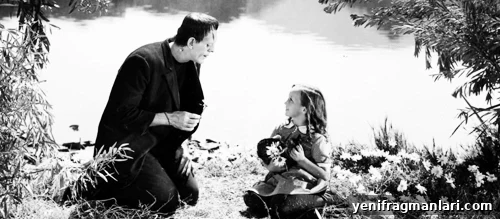
James Whale’s adaptation of Mary Shelley centers on Dr. Frankenstein’s obsession and the tragic creature he brings to life. Colin Clive’s fevered performance and Boris Karloff’s haunting portrayal make this film a defining masterpiece of cinematic horror.
2. The Invisible Man (1933)
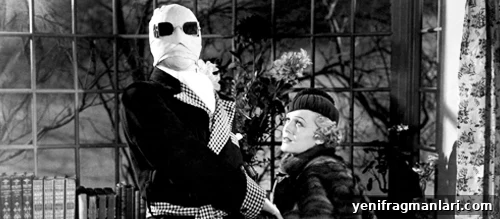
Claude Rains delivers a chilling performance as Jack Griffin, a scientist undone by his own experiment. James Whale’s adaptation uses pioneering visual effects to create a terrifying, unpredictable antagonist who spirals into madness.
1. Bride of Frankenstein (1935)
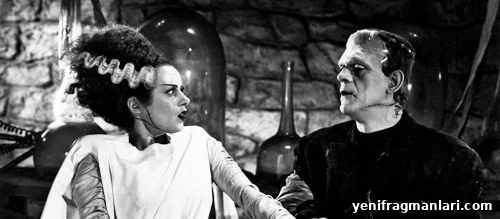
James Whale returns with a witty, emotionally rich continuation of Frankenstein’s story. The film balances horror and dark humor, introduces unforgettable characters, and refines the themes of loneliness, creation, and responsibility. With striking imagery and sharp dialogue, Bride of Frankenstein is widely regarded as the high point of the Universal Monsters cycle.
Universal has revisited its monster universe many times over the decades, from new adaptations of Dracula, The Wolf Man, and The Invisible Man to attempts at shared-universe revivals. While modern experiments have met with mixed success, the original cycle remains essential viewing for anyone interested in the roots of cinematic horror.
Many of these films are easy to find and are well worth exploring: several are genre milestones, and even the lesser entries reveal how studios recycled and reinvented ideas to keep audiences engaged. Which of the classic Universal horrors have you seen, and which would you put at the top of your own list?