
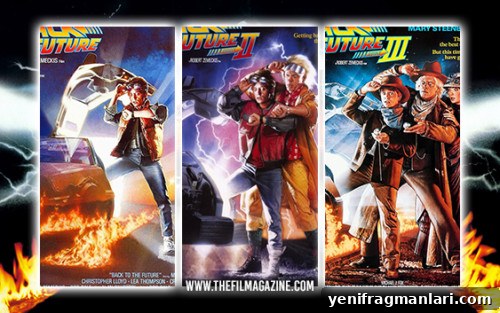
The Back to the Future trilogy remains a worldwide phenomenon. Since the original film’s release in 1985, the franchise has expanded beyond cinema into an animated series, a Universal Studios motion-simulation ride and a popular stage musical. The three films—celebrated for their inventiveness and charm—earned widespread acclaim, including an Academy Award for Sound Editing and multiple nominations. They stand as some of the most instantly recognisable entries from the 1980s and have become enduring touchstones of pop culture.
Beyond box-office success, the series has influenced generations of creators and even inspired band names and cultural references in later blockbuster films. Its upbeat tone and nostalgic warmth have made the trilogy a go-to choice for family viewing: films that remain enjoyable on repeat, whether you’re watching them for the first or the twentieth time.
Written by Bob Gale and directed by Robert Zemeckis, the trilogy blends comedy, science fiction and heartfelt character arcs. It launched stars such as Michael J. Fox and Christopher Lloyd into the mainstream while delivering a distinctly American take on time travel and small-town life. In this article, we break down the three films and rank them from least to most successful in terms of storytelling, cultural impact and lasting appeal: Back to the Future Movies Ranked.
Have an opinion? Share your order in the comments at the end of the article or let us know on social media.
3. Back to the Future Part II (1989)
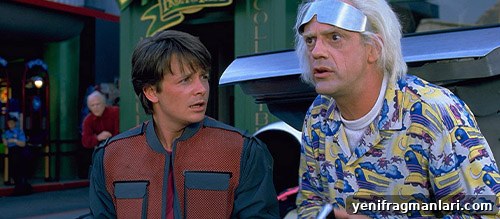
Back to the Future Part II is the franchise’s most complicated entry. Ambitious and visually inventive, it nevertheless struggles in places to withstand the passage of time. The film picks up immediately where the first left off and follows Marty, Doc and Jennifer as they travel forward to 2015 to prevent a future mistake that could ruin Marty’s son’s life.
The movie showcases an 80s vision of the future—flying cars, self-lacing shoes and a heavily commercialised society—offering an entertaining commentary on how the past imagined the years ahead. These ideas remain imaginative and fun to revisit, even if some predicted gadgets never materialised exactly as shown.
Where Part II falters is in its structural choices. The narrative relies in part on revisiting scenes and situations from the first film, which can feel like retreading rather than extending the original story. Some convenient plot devices also undo character progress from Part I, pushing Marty into a loop of relearning lessons that felt newly earned in the original film.
Casting complications further complicate the film’s reception. Elisabeth Shue replaces Claudia Wells as Jennifer, and the production’s workaround for the absence of Crispin Glover—using prosthetics and archival footage with a different actor—created controversy and legal action. These behind-the-scenes issues have coloured perceptions of the film even as fans continue to appreciate its inventiveness.
Despite its flaws, Part II is still a highly enjoyable blockbuster with bold ideas, striking production design and a memorable climax. It may land at the bottom of this ranking, but it remains a vital chapter in the trilogy and a film with many noteworthy moments.
Recommended for you: The 8 Most 80s Movies of the 1980s
2. Back to the Future Part III (1990)
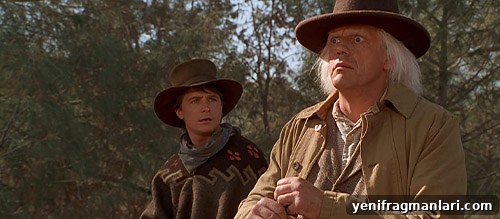
Back to the Future Part III divides opinion more than the other entries, but critics generally greeted it warmly and many viewers have grown to appreciate its strengths over time. The film transports the series to 1885 and mixes Western genre elements with the franchise’s signature sci-fi heart, creating a tonal shift that helps it stand apart.
Although the movie has its share of casting oddities and contrivances—some family relationships and minor characters feel less consistent—the addition of Mary Steenburgen as Clara brings a grounded, mature presence that enriches Doc Brown’s emotional arc. Here we see Doc exploring life beyond invention: a version of the character who is capable of love and personal growth, completing an important chapter in his development.
The Western setting amplifies the series’ recurring jokes and themes in fresh ways. Marty’s vulnerabilities and his reluctance to be labelled a coward are tested in an environment where courage and survival carry different stakes. Repairing the DeLorean to return to 1985 gives the story a clear, satisfying objective while allowing for high-stakes action, humor and character beats that provide emotional payoff.
Overall, Part III is easier to follow than Part II and offers substantial character resolution. It may not be as instantly iconic as the original, but its unique blend of genres and heartfelt conclusion earn it the second spot in this ranking.
Recommended for you: Live-Action Batman Movies Ranked
1. Back to the Future (1985)
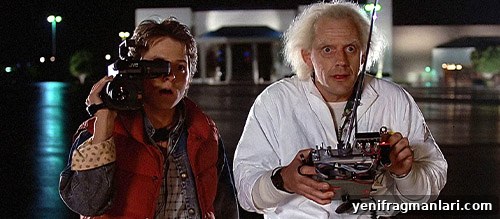
The original Back to the Future remains the crown jewel of the trilogy. From its instantly memorable opening—presented with the kind of showmanship associated with Steven Spielberg—to the charming performances of Michael J. Fox and Christopher Lloyd, the first film is a near-perfect blend of character, comedy and high-concept storytelling.
The premise is simple but compelling: a teenager is accidentally sent back to 1955, where he inadvertently jeopardises his parents’ first meeting and must repair the timeline to secure his own existence. This setup allows the film to explore nostalgia, family dynamics and the mechanics of time travel with clarity and heart.
Director Robert Zemeckis and writer Bob Gale craft a film that feels lovingly indebted to 1950s cinema while injecting modern energy and wit. The movie balances action, humor and emotional stakes, delivering a story that works equally well for children and adults. It’s full of sharp dialogue, memorable set pieces and a pace that never lags.
Most importantly, the original movie stands on its own as a complete, satisfying experience. It launched a franchise but also remains the version most viewers remember and return to. Its closing line—“Where we’re going, we don’t need roads”—captures the film’s spirit of adventure and leaves a lasting impression.
What’s your order? Would you rank these films differently? Share your thoughts in the comments or on social media.