
The Wandering Earth: China’s 2019 Box Office Sensation
By early 2019, one of the biggest surprises at the global box office was not a major Hollywood franchise but a homegrown Chinese blockbuster. While films like Glass and The Lego Movie 2 struggled to hit lofty expectations worldwide, several high-performing foreign-language releases filled gaps in the market. As Marvel prepared its spring release of Captain Marvel, Chinese productions dominated the charts: native films accounted for roughly 40% of the year’s top ten grosses, and the local box office had already surpassed $1 billion in 2019. Leading that surge was The Wandering Earth.

The success of The Wandering Earth was extraordinary. After an opening weekend that reached approximately $179.9 million, the film climbed to a global total of about $679.3 million by March 4, 2019. That opening weekend figure ranks among the highest single-region debuts in cinematic history: only seven North American releases have ever surpassed it at their domestic box office. More strikingly, after just weeks in release, The Wandering Earth had achieved a domestic gross higher than all but three North American films ever: only Star Wars: The Force Awakens, Avatar, and Black Panther have earned more in a single region.
To put that achievement in context, the film’s domestic total outpaced longstanding franchise entries such as Avengers: Infinity War, every single Harry Potter film, all Disney animated hits, the entire Jurassic Park/Jurassic World series and even Titanic when measured by earnings in one region. In China alone, the film recorded over 100 million admissions, surpassing the earlier record-holder Wolf Warrior 2 in ticket sales.
Although both The Wandering Earth and Wolf Warrior 2 collected only modest sums abroad and therefore did not make the global top 100 of all-time highest grossers, their domestic impact is considerable. One hundred million admissions in China equates to nearly the entire populations of nations like the UK and Canada combined seeing the film on the big screen. That scale matters culturally and commercially.
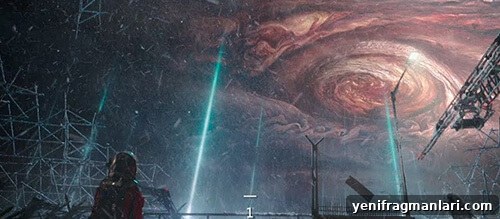
What explains this mass appeal? At its core, The Wandering Earth is a spectacle-driven blockbuster in the tradition of big American disaster films. It embraces a high-concept premise—humanity’s desperate bid to move the planet to safety—and layers it with large-scale CGI, densely packed action sequences, and an ensemble cast of familiar local stars. Visually and tonally, the film recalls Roland Emmerich’s work—think Independence Day and The Day After Tomorrow—combining icy, post-apocalyptic landscapes with globe-trotting techno-thrills and space-based operations.
The film also borrows recognizable science-fiction tropes—unreliable computer systems, daring space rescues, and sweeping, cinematic disaster set pieces—while translating them into a distinct Chinese cultural setting. The result is a blockbuster that feels internationally familiar yet uniquely local.

Political and cultural context helps explain the film’s strong resonance with Chinese audiences. China’s centralized political environment and state influence over media naturally shape what stories are promoted and how they’re received. Films emphasizing collective action and community over individualism align with prevailing cultural narratives and public messaging. The Wandering Earth foregrounds unity and shared responsibility: critical plot moments hinge on ordinary citizens acting together, while the story’s resolution depends on coordinated efforts between earthbound and spacefaring teams. These themes of communal duty and mutual sacrifice resonate widely and reinforce the film’s appeal.
Despite its patriotic and social messaging, the film actually downplays authoritarian hierarchy. Leadership appears more as decentralized cooperation than as top-down command, and the story elevates everyday people and small acts into decisive, world-saving contributions. This narrative balance—big spectacle married to accessible, communal themes—makes The Wandering Earth both a crowd-pleaser and a culturally specific blockbuster.
For international viewers, the film is an opportunity to experience a large-scale sci-fi action movie from a different cultural perspective. The screenplay may not be the most original, and the emotional beats can feel familiar to anyone used to mainstream disaster films, but the visual effects and production scale deliver. The CGI stands shoulder-to-shoulder with many high-budget American releases, and several set pieces offer genuine thrills that will satisfy fans of big-screen spectacle.
More importantly, The Wandering Earth signals a broader shift in global cinema: Chinese films are increasingly capable of producing massive domestic hits that rival or even surpass single-region grosses of Hollywood’s biggest titles. That shift matters for filmmakers, studios, and audiences worldwide. It suggests that China’s film industry is not only producing commercially viable blockbusters but also exporting a different set of cultural values through mainstream entertainment.
If you’re curious about contemporary international cinema or enjoy large-scale science fiction, The Wandering Earth is worth a watch. It’s a culturally revealing, visually ambitious film that helped define the 2019 box office landscape and underscored the growing influence of Chinese filmmaking on the global stage.