Brian and Charles (2022)
Director: Jim Archer
Screenwriters: David Earl, Chris Hayward
Starring: David Earl, Chris Hayward, Louise Brealey, Jamie Michie, Nina Sosanya, Lynn Hunter, Lowri Izzard, Mari Izzard, Cara Chase
How do you pitch a film like Brian and Charles? One useful comparison is to blend the inventive, handcrafted whimsy of classic stop-motion British comedies with the gentle, observational awkwardness of Bill Forsyth’s character-driven stories. That combination gives a good sense of what this small, affectionate feature offers: a warm, oddball tale about loneliness, creativity and unlikely friendship.
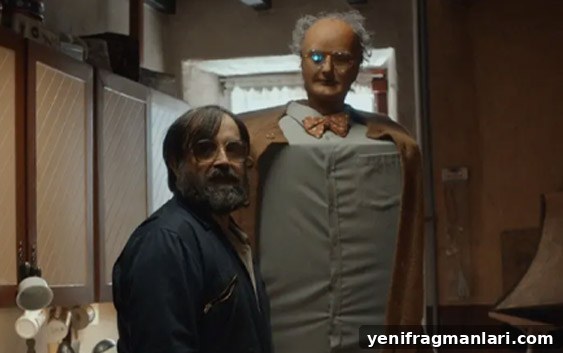
Originating from a short sketch by comedian David Earl, performing as Brian Gittins alongside Chris Hayward as Charles, the concept grew into this 90-minute feature directed by Jim Archer. The movie keeps the low-fi charm of the original sketch—Charles remains essentially a box and mannequin-head creation—while expanding into a touching and often very funny narrative.
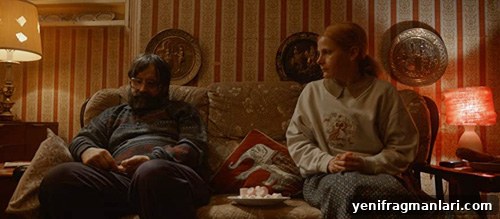
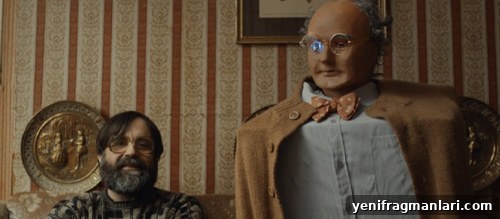
At its heart Brian and Charles is an absurdist comedy about an eccentric inventor named Brian, a lonely man whose hobby is inventing peculiar contraptions. When he hits a particularly low point, he builds a makeshift robot from a washing machine motor, a shop mannequin head and sundry scraps. The robot names himself Charles Petrescu and rapidly develops a personality: first loyal and enthusiastic like a puppy, then petulant like a teenager, and finally inquisitive like a young adult searching for identity.
The film thrives on the contrast between Charles’ unexpectedly sophisticated mind and his decidedly homemade body. The physical simplicity of the robot—essentially a cardboard-clad torso—only heightens the comic and emotional impact when Charles expresses curiosity, fear, affection or mischief. David Earl and Chris Hayward’s performances capture that balance perfectly, blending deadpan delivery with moments of surprising tenderness.
Set against the quiet, rolling countryside of North Wales, the location work gives the film a peaceful, slightly melancholic atmosphere. The rural setting helps explain Brian’s eccentricity: in a village with a single shop and a handful of houses, idle time encourages odd projects and private dreams. The scenery also prompts one of the film’s more charming philosophical lines—Charles asking, “How far does the outside go?”—which grounds the film’s whimsy in a sincere curiosity about the world.
Brian is introduced as a lovable, sad-clown figure: solitary, shy and prone to pep talks to push himself into action. His inventions are delightfully daft—pinecone handbags, trawler-net shoes and a flight-prone cuckoo clock that occasionally bursts into flames—each gag underlining the film’s playful, handcrafted aesthetic. These inventions also reveal Brian’s resourcefulness and his need for purpose.
Conflict arrives in the form of local threats: Eddie, the village bully, and his unpleasant teenage daughters, who menacingly threaten Charles’ safety once they learn of him. This external danger forces Brian to confront his fears and consider how far he will go to protect the friend he has created. At the same time, Charles’ accelerated emotional development strains their relationship, introducing tensions that feel authentic and often funny.
The film also explores romance gently and earnestly. A Charles-driven outburst gives Brian the courage to approach his long-time crush, Hazel (played by Louise Brealey). Their shy, awkward courtship—walks in the countryside, tentative conversations and small acts of affection—provides a grounding human connection that complements the central bond between inventor and invention.
The final act aims for a larger emotional payoff, and while the film’s modest budget sometimes makes the climax feel slightly underwhelming compared with the earlier, more intimate scenes, the resolution and epilogue deliver a satisfying, pitch-perfect coda. The closing moments wrap the story with warmth and a bittersweet note that stays true to the film’s tone.
Brian and Charles will divide viewers depending on their taste for deadpan, surreal British humor. For audiences who appreciate understated performances, handcrafted effects and a story about loneliness transformed by friendship, the film is a delightful and moving experience. It manages to be funny, weird and tender in equal measure, and it leaves open the appealing possibility of future adventures for its homemade robot hero.
Score: 20/24