
Crip Camp (2020)
Directors: James Lebrecht, Nicole Newnham
Screenwriters: James Lebrecht, Nicole Newnham
Starring: James Lebrecht, Judy Heumann, Ann Cupolo Freeman, Denise Sherer Jacobson, Neil Jacobson, Lionel Je’Woodyard, Joseph O’Conor, Corbett O’Toole, Eunice Fiorito, HolLynn D’Lil, Dennis Billups
Crip Camp is a moving, clear-eyed documentary that tells how a small summer camp helped spark a nationwide disability rights movement. Set against the broader political landscape of the 1970s, the film combines archival footage, candid interviews and personal home movies to trace how Camp Jened — a freewheeling, accepting summer program near Woodstock — became the crucible for activism and social change.
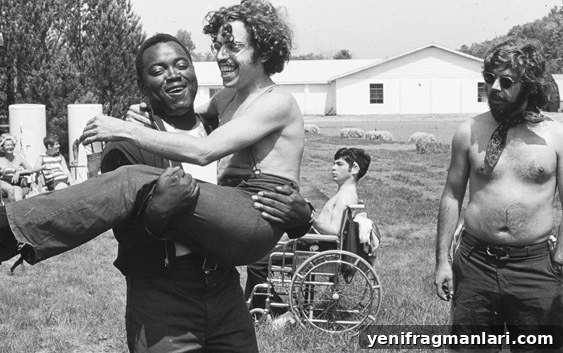
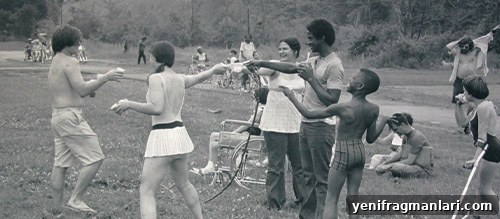
Camp Jened, in the summer of 1971, offered teenagers who were often shut out of mainstream school and social life an uncommon degree of freedom, dignity and belonging. The documentary foregrounds the campers’ voices, letting former participants describe how the camp’s atmosphere of mutual respect and unguarded joy reshaped their expectations of life. For many, the weeks at Jened were a revelation: they were treated as equals, encouraged to take risks, and allowed to form relationships and explore independence in ways that were otherwise denied to them.
Through James “Jimmy” Lebrecht’s narration and his early home-movie footage, the film shows how a teenager’s longing to attend a “summer camp for the handicapped, run by hippies” blossomed into lifelong activism. Former counselors and campers recall the shock of discovering a community where they were not patronized or sidelined. As one interviewee observes, the obstacle to equality was not a feature of disabled lives but of the attitudes and structures of the non-disabled world.
One of the documentary’s most harrowing sequences revisits the public exposure of Willowbrook State School, where investigative reporting revealed appalling neglect and dehumanizing conditions. That exposé galvanized public opinion and helped build momentum for reforms. Crip Camp does not shy away from this painful material; instead, it uses it to show what was at stake and why many former campers moved from shared memories of joy to collective political action.
The film traces how Camp Jened alumni assumed leadership roles in protests and policy campaigns. After President Nixon’s initial resistance to federal anti-discrimination measures, activists kept pressure on the system until significant legal progress began to take shape. The documentary documents the 504 sit-in of 1977 — an occupation of federal buildings that lasted weeks — in which organizers and participants relied on mutual care, strategic coordination, and solidarity to sustain their demands for enforcement of disability rights regulations. The film emphasizes how grassroots organizing, persistent civil disobedience and cross-community alliances were crucial to achieving gains in accessibility and recognition.
Beyond the political narrative, Crip Camp is an intimate portrait of companionship, resilience and humor. The directors capture small, human moments — friendships, romances, pranks and the exuberant everyday life of young people carving out space for themselves. Denise and Neil Jacobson, a married couple featured in the film, speak openly and warmly about their relationship, illustrating how the camp fostered personal confidence as well as collective purpose. Scenes of laughter and candid reminiscence balance the documentary’s more difficult material and make the activists’ courage feel immediate and deeply relatable.
The filmmakers return toward the end of the film to the site of the former camp, now largely abandoned, and show a group of former campers and counselors gathered to remember friends who have passed and to honor what they built together. That reunion sequence is tender and bittersweet; it underscores both the progress achieved and the human cost of the long struggle for civil rights.
Stylistically, the documentary is effective and accessible: archival footage and present-day interviews are woven into a coherent narrative, and the personal testimonies consistently foreground lived experience rather than abstract argument. The result is a film that educates, moves and inspires — a testament to how small communities can seed national movements and how dignity can become the basis for law and policy.
Crip Camp offers an essential account of a pivotal chapter in American civil rights history. It reminds viewers that progress is often the product of ordinary people who insist on being seen and treated as equals, and it celebrates the lasting power of community, solidarity and joy in the face of systemic exclusion.
24/24