
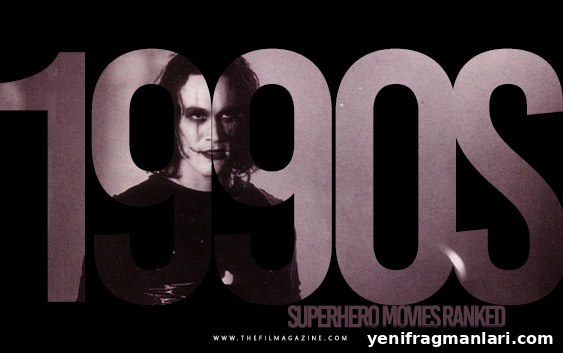
There was a time when superhero films did not dominate Hollywood’s box office or cultural conversation. They were neither the most profitable genre nor the automatic go-to topic in interviews with major filmmakers. Hollywood has chased trends before — Westerns in the 1950s and disaster movies in the 1970s — and had occasional successes with comic-book adaptations, from Christopher Reeve’s Superman to Tim Burton’s Batman starring Michael Keaton. Still, through much of the 1990s the cape-and-cowl craze had not yet fully taken hold.
The superhero films that did reach theaters in that decade were often unusual, lesser-known properties or experiments by studios, directors and actors trying to discover the winning formula that would later define the genre. Frequently these films failed to find mainstream success but remain interesting artifacts of the era.
Can’t tell your Shadow from your Spawn, Mystery Men from The Mask, or know what a Guyver even is? We at The Film Magazine can help. We’ve ranked every major 1990s superhero movie from worst to best considering critical reception, box office performance and lasting influence on Hollywood. Presenting: 1990s Superhero Movies Ranked.
Follow @thefilmagazine on Twitter.
18. Batman & Robin (1997)
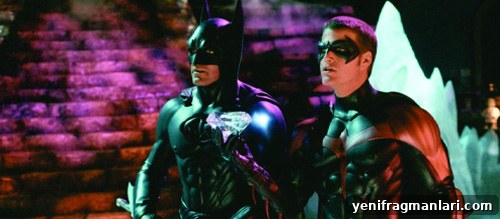
Batman (George Clooney), aided by several allies, must stop Mr. Freeze (Arnold Schwarzenegger) and Poison Ivy (Uma Thurman) from using diamonds to freeze Gotham City — a plot point that barely holds up to scrutiny. The film attempts to juggle multiple villains and subplots, and it’s overloaded with awkward ice-based puns.
Clooney’s casting felt misjudged, and the film’s tone, script and performances rarely align. Schwarzenegger and Thurman seem underused, while the screenplay contains plot choices that make little narrative sense. Though the production clearly spent big, the result is an overstuffed, poorly judged entry that damaged the franchise’s momentum.
17. Mighty Morphin Power Rangers: The Movie (1995)
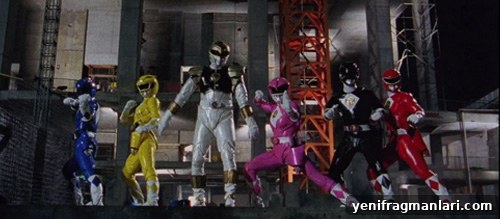
Chosen by the immortal Zordon, six teenagers become the Power Rangers tasked with defending Angel Grove and the wider world. They search for a mythical power source to defeat the ancient shapeshifter Ivan Ooze (Paul Freeman).
The TV show was a cultural touchstone for many children in the 1990s. The film feels like an extended episode with heightened production values: a silly, often forgettable plot, odd special effects in places, and an over-the-top villain performance from Freeman. The climax benefits from entirely original action footage rather than re-purposed Japanese material, producing an impressively large-scale final battle, though much of the movie retains a low-budget feel.
16. Judge Dredd (1995)
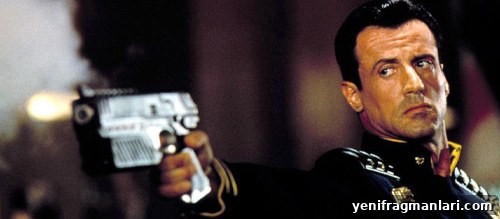
In the dystopian Mega-City One, Judge Joseph Dredd (Sylvester Stallone) enforces the law without mercy. When framed for murder, he becomes an outlaw and is forced to survive in a wasteland.
The film succeeds visually in recreating the comic’s grim setting, but it strips away much of the source material’s tone and complexity. Studio interference and creative missteps — including a version of Dredd who removes his helmet and a comedic sidekick — left the film feeling tonally inconsistent and ultimately unsatisfying for fans of the original character.
15. The Shadow (1994)
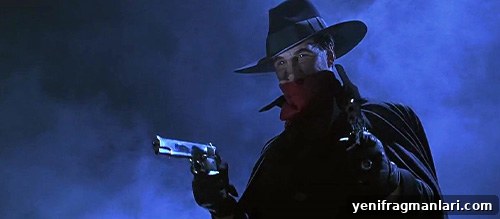
Playboy Lamont Cranston (Alec Baldwin) returns to New York after a dark chapter in China, armed with mysterious powers to stop a descendant of Genghis Khan intent on destruction.
The Shadow features striking visuals and solid moments but suffers from an overcrowded plot and sluggish performances. The film’s supernatural direction and compressed storytelling leave viewers unfamiliar with the character confused, and stronger direction could have better served the talented cast.
14. Steel (1997)
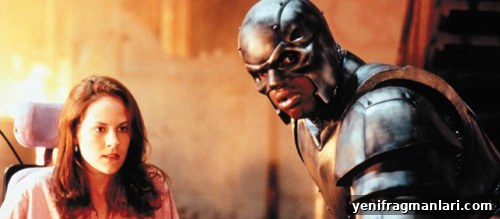
After a weapons test goes wrong, engineers John Henry Irons (Shaquille O’Neal) and Susan “Sparky” Sparks (Annabeth Gish) leave the military and become vigilantes. Using a powered suit, Irons battles gangs employing dangerous experimental weapons.
Steel aimed to spotlight a lesser-known supporting character from Superman comics. The premise is notable for including a disabled superhero side character, but the movie’s storytelling, pacing and effects are clumsy. Shaq’s limited acting range and the awkward suit design undercut what could have been a more impactful film.
13. Teenage Mutant Ninja Turtles (1990)
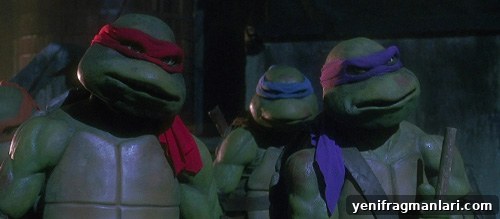
Four mutated turtles, trained in ninjutsu by a mutated rat, defend New York City against the mysterious Foot Clan.
The film is faithful to the comic and animated series that made the franchise popular. While some elements and cultural representations feel dated, the animatronic suits created by Jim Henson’s Creature Shop remain impressive three decades later and the movie captures the energetic spirit that endeared these characters to fans.
12. The Guyver (1991)
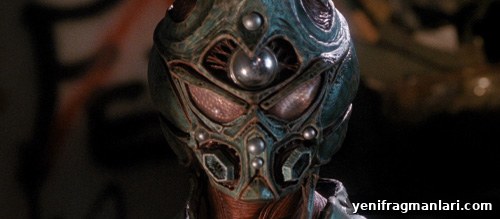
An alien suit of living armor bonds with Sean Barker (Jack Armstrong) and enables him to battle human-like Zoanoids intent on global domination.
The Guyver adapts a popular manga into an Americanized setting. The film is odd and uneven, but it features inventive practical creature effects by Screaming Mad George that make the fight sequences enjoyable and, in places, surprisingly effective despite the limited budget.
11. Spawn (1997)
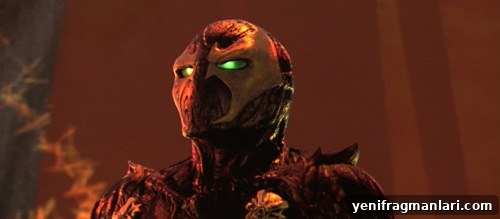
Al Simmons (Michael Jai White), a betrayed mercenary, is killed and makes a pact with dark forces to return to Earth as Spawn, determined to protect his family and stop those who would unleash hell on Earth.
Spawn’s striking production design and effects remain memorable, and the film influenced later visual approaches to comic-book adaptations. While the screenplay lacks nuance and some performances falter, Spawn was notable as one of the decade’s first R-rated comic-book movies and the first major live-action adaptation featuring an African American superhero in a lead role.
10. Batman Forever (1995)
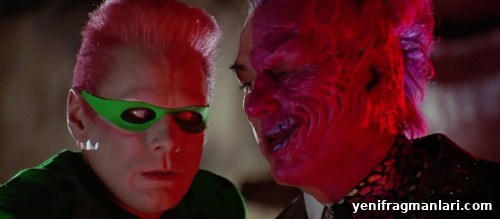
Batman (Val Kilmer) faces Two-Face (Tommy Lee Jones) and the Riddler (Jim Carrey) while mentoring orphan Dick Grayson (Chris O’Donnell).
Joel Schumacher’s brighter, more comic-book-inspired Gotham diverts sharply from Tim Burton’s darker vision. The production design is bold and flamboyant, but the script and some performances are uneven; Schumacher’s excessive stylistic choices sometimes undermine the film’s emotional core.
9. The Rocketeer (1991)
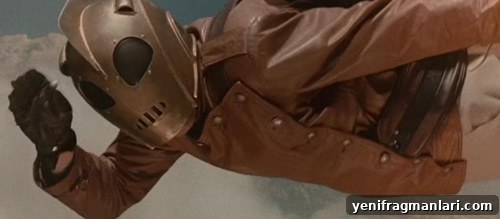
In late 1930s Hollywood, stunt pilot Cliff Secord (Billy Campbell) discovers an experimental jetpack that thrusts him into a clash with Nazi agents and ambitious villains.
A retro-futuristic, pulp-inspired adventure, The Rocketeer captures the era’s art-deco optimism and comic-book charm. Its distinctive production design and upbeat tone make it a standout among 1990s superhero-adjacent films, even if some supporting characters fade from memory.
8. Mystery Men (1999)
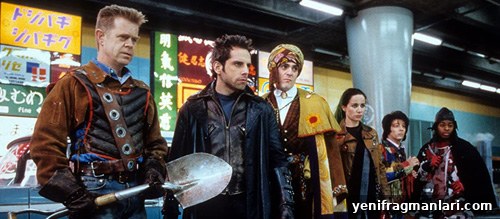
A ragtag group of inept would-be heroes — including The Shoveler, Mr. Furious and The Spleen — must face the criminal mastermind Casanova Frankenstein (Geoffrey Rush) after the city’s primary hero is incapacitated.
Mystery Men predates many modern deconstructions of superhero tropes and offers sharp, self-aware satire. Not every joke succeeds and it runs a touch long, but the ensemble cast turns in memorable comic performances and the film remains a clever, affectionate send-up of genre conventions.
7. The Phantom (1996)
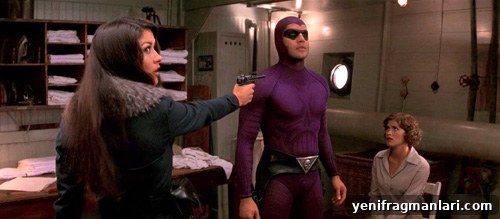
The Phantom (Billy Zane), a mantle handed through generations, battles a power-hungry industrialist seeking a mystical artifact.
A sincere pulp adventure, The Phantom embraces straight-faced swashbuckling and period charm. It’s a well-crafted throwback that rewards viewers willing to accept earnest, old-school heroics rather than ironic deconstruction.
6. The Mask (1994)
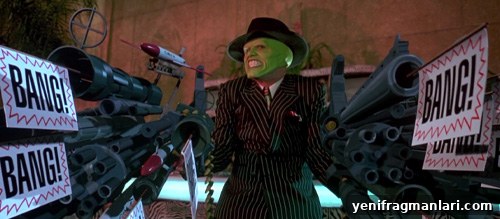
Stanley Ipkiss (Jim Carrey), a mild-mannered bank clerk, finds a magical mask that transforms him into a zany, cartoonishly powerful alter ego.
The Mask channels anarchic cartoon humor and showcases Jim Carrey at his most kinetic. The film’s visual effects, inspired by Tex Avery-style gags, still delight, and its mix of slapstick and romance — including Cameron Diaz’s breakout role — makes it one of the decade’s most entertaining comic adaptations.
5. Darkman (1990)
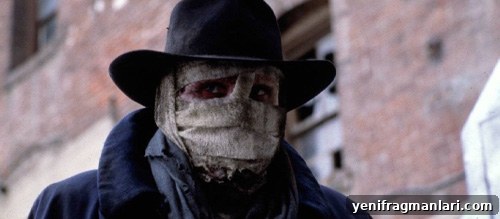
Liam Neeson stars as Peyton Westlake, a scientist disfigured in an attack who becomes the bandaged vigilante Darkman — driven by grief, revenge and the pursuit of a synthetic skin.
Sam Raimi’s Darkman laid groundwork for darker, more horror-infused superhero stories. It blends manic visual energy, practical makeup effects and a heightened sensibility that foreshadows Raimi’s later mainstream work. The film’s camp and inventive style remain its central appeal.
4. Batman Returns (1992)
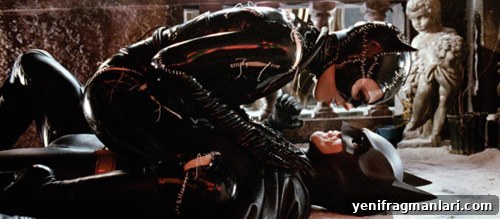
Michael Keaton’s Batman confronts the grotesque Penguin (Danny DeVito) and the dangerously seductive Catwoman (Michelle Pfeiffer) as Gotham reels during a dark Christmas season.
Tim Burton’s bold, idiosyncratic sequel emphasizes atmosphere, bizarre character design and a subversive tone. Michelle Pfeiffer’s Catwoman remains one of the most iconic comic-book villains of the era, and Danny Elfman’s score heightens the film’s gothic, operatic mood. Keaton brings rueful humanity to Bruce Wayne, ensuring the emotional core remains intact beneath the spectacle.
3. Blade (1998)
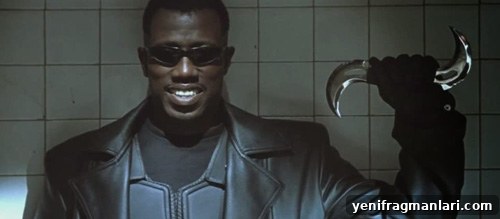
Wesley Snipes plays Blade, a “daywalker” born after his mother was attacked during childbirth, who hunts vampires to protect New York City.
Blade’s success helped pave the way for later modern blockbuster comic-book films. With strong lead and supporting performances, taut direction and a direct, no-frills screenplay, Blade proved that a Marvel property could be adapted into a successful, grown-up action-horror hybrid — helping change studio attitudes toward comic-book adaptations.
2. The Crow (1994)
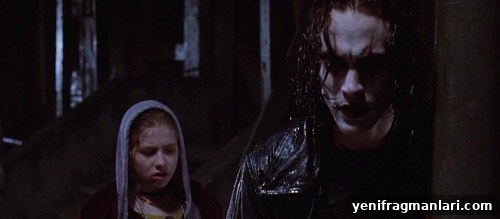
After he and his girlfriend are murdered, Eric Draven (Brandon Lee) returns from the dead to avenge their deaths and exact justice on Devil’s Night.
Alex Proyas’s The Crow remains a grim, stylish cult classic. Its moody visual palette, strong performances and gothic atmosphere have influenced a generation of filmmakers. Despite the tragedy surrounding its production, the film endures as a dark, emotionally driven revenge tale with a memorable soundtrack and striking imagery.
1. Batman: Mask of the Phantasm (1993)
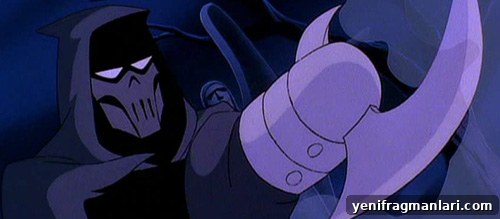
A mysterious vigilante begins eliminating Gotham’s crime bosses, prompting Bruce Wayne (Kevin Conroy) to revisit his early days as Batman and confront past love while an old threat resurfaces.
Made during the peak of Batman: The Animated Series, Mask of the Phantasm stands out as one of the decade’s finest superhero films. It explores Bruce Wayne’s psychology with nuance, features outstanding voice performances — including Kevin Conroy and Mark Hamill — and upgrades the TV series’ noir animation and orchestral score for a cinematic experience that explores morality, loss and identity with genuine depth.
How do you view our rankings of 1990s superhero films? Which entries would you place higher or lower, especially if you grew up with them? Share your thoughts in the comments below, and follow @thefilmagazine on social platforms for more curated movie lists.