
Full Time (2021)
Director: Eric Gravel
Screenwriter: Eric Gravel
Starring: Laure Calamy, Anne Suarez, Geneviève Mnich, Cyril Gueï
Premiering at the Venice Film Festival in September 2021, Eric Gravel’s acclaimed film Full Time concluded a successful festival run, including a screening at the 2022 Edinburgh International Film Festival. The film presents an intimate, urgent portrait of a woman balancing relentless work pressures and motherhood in contemporary Paris.
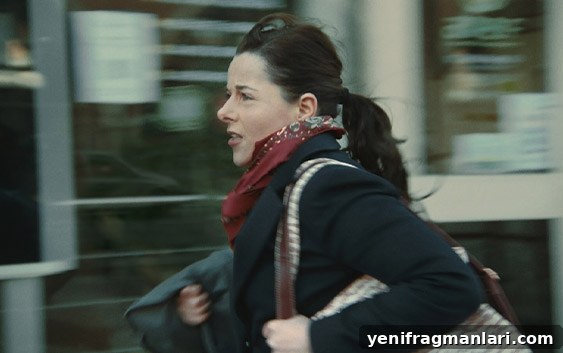
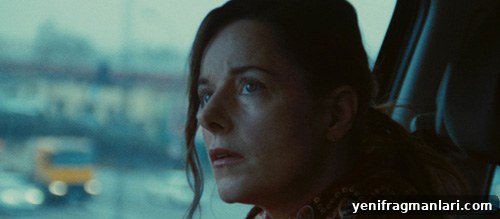
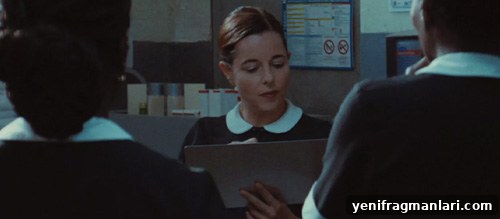
Full Time centers on Julie (Laure Calamy), a single mother of two who works as a housekeeper at a five-star hotel while preparing for a job interview that could meaningfully improve her family’s situation. During the week of her interview, a national transit strike triggers chaos across the city, threatening Julie’s fragile plans and forcing her to confront a series of escalating obstacles.
On the surface, the film fits within the tradition of realist social dramas: it shows ordinary people in difficult circumstances with a clear eye for detail. Beyond the strike, Gravel layers additional pressures on Julie—keeping her current job, securing child support from her estranged husband, and finding reliable childcare. These compounded stresses reveal how close to breaking point Julie really is. Importantly, the film also explores the social judgment single mothers often face: Julie is repeatedly told she must be a “better” mother, a message that underscores how society evaluates and burdens women who shoulder caregiving alone.
While the screenplay powerfully depicts Julie’s struggle, it notably refrains from taking a strong public stance on the transit strike itself. The strike is presented primarily as a plot catalyst—the reason Julie is late or stranded—rather than as a subject for debate among characters. This omission feels like a missed opportunity, given the film’s willingness to engage with other social and political issues; it keeps the story focused tightly on Julie’s personal experience rather than the larger labor conflict that shapes her week.
Julie is written with nuance and authenticity. Her resourcefulness and resilience are evident in every scene: even as circumstances pile up, she rarely gives in to despair. Where many films might allow an emotional breakdown, Julie keeps moving forward, determined to do whatever she must for her children. That inner toughness is central to the character’s appeal and grounds the film emotionally.
Gravel resists sentimentalizing Julie, though. She is not depicted as a flawless heroine; the script portrays moments of moral ambiguity and outright dishonesty. She lies, cuts corners, and makes choices that are morally complex. These imperfections do not weaken our sympathy for her; instead, they emphasize the desperation that drives her decisions and the hard choices single parents often face when protected social supports are absent or inadequate.
The film’s true emotional core emerges in the wrenching dilemma at its center: the very job that could improve Julie’s children’s future might also demand more of her time, further separating her from them. Gravel describes the feeling this creates as “bittersweet,” and the film conveys that tension effectively. If Julie doesn’t land the new position, the family’s material prospects remain limited. If she does, she risks a deeper physical and emotional distance from her children. That paradox underscores how structural constraints and labor demands shape intimate family life.
Visually, Full Time intensifies its dramatic thrust through dynamic cinematography and editing. Victor Seguin’s camera work favors handheld, immersive shots that thrust the viewer into the crush of Parisian rush hour. The camera moves through crowded train stations and along jammed sidewalks, creating a visceral sense of claustrophobia and urgency. These vérité-style choices make the city itself feel like an antagonistic force: an environment that closes in on Julie, complicating even the simplest tasks.
The film’s editing complements the cinematography, building tension through brisk pacing and fragmented moments that reflect Julie’s frazzled state of mind. Together, direction, photography, and editing transform a relatively straightforward narrative into a taut, almost thriller-like experience. The result is a film that makes the audience feel the daily strain rather than simply observe it.
Although its plot is compact, Full Time delivers a powerful depiction of the pressures single mothers face. By focusing tightly on one woman’s week of crises, Eric Gravel turns a personal story into a broader commentary on labor, caregiving, and social expectations. The performances—led by Calamy—are committed and authentic, and the film’s aesthetic choices reinforce its themes of urgency and resilience. In short, Full Time is a thoughtful, emotionally resonant film that invites viewers to reconsider assumptions about work, motherhood, and what it truly takes to keep a family afloat.
Score: 19/24