
Heretic (2024)
Director: Scott Beck, Bryan Woods
Screenwriters: Scott Beck, Bryan Woods
Starring: Hugh Grant, Sophie Thatcher, Chloe East, Topher Grace, Elle Young
Religious horror usually fits into familiar categories: folk horror, with its rustic rites and eerie communities, or possession stories driven by exorcism set-pieces and frantic supernatural violence. Heretic deliberately avoids both well-trodden approaches. Instead of relying on ritualistic imagery or jump scares, the film plays out more like a tense psychological thriller that interrogates belief itself. The emphasis is on conversation, coercion and moral testing rather than spectacle, and that choice shapes the entire viewing experience.
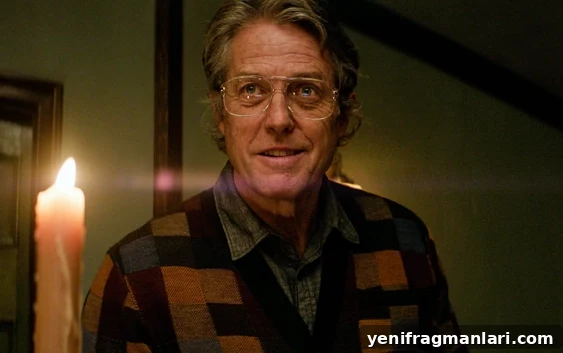
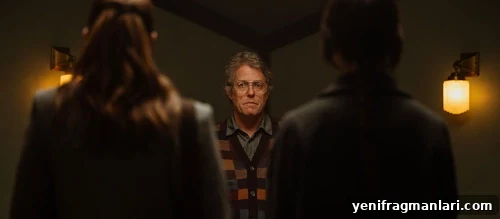
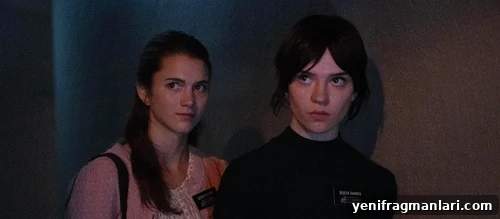
Sophie Thatcher and Chloe East portray two Mormon sisters, Barnes and Paxter, who seek counsel from Hugh Grant’s enigmatic Mr. Reed. What begins as a seemingly mundane theological discussion gradually becomes a battle of wills. Reed’s methods are unsettling: he challenges, manipulates and pushes the sisters into ethical and existential corners that force them to examine the limits of faith, obedience and personal autonomy. As the encounters escalate, the sisters start to suspect that Reed’s motives are far darker and more self-serving than he initially appears.
Hugh Grant anchors the film with one of the most striking turns of his career. Where audiences have long associated him with charming, self-deprecating romantic leads, here he is cast against type, and the result is unnerving. Grant leans into a controlled menace, using his familiar mannerisms to lull and then disorient. He never becomes a cartoon villain; instead he layers charisma, cold calculation and a creeping malevolence into a performance that stays with you. It’s the kind of role that could easily earn recognition in award conversations and will be a major talking point for viewers and critics alike.
Directors and writers Scott Beck and Bryan Woods take an increasingly focused approach: the film values extended, idea-driven dialogue and slow-building tension. That gives the screenplay room to explore theological and philosophical questions, many of which remain deliberately unresolved. The filmmakers seem comfortable leaving ambiguity in place, trusting the audience to sit with uncertainty rather than offering tidy answers. This restraint distinguishes Heretic from mainstream supernatural thrillers that favor explicit explanations or climactic shock tactics.
However, the film’s devotion to talk and theory is a double-edged sword. On one hand, it creates an intimate, claustrophobic atmosphere where the drama hinges on the interplay between characters. The confined scope—both spatially and narratively—keeps the film taut and focused on the essentials. On the other hand, that same concentration can make parts of the movie feel more theatrical than cinematic. Visual flourishes and cinematic experimentation take a back seat to script and performance, which will appeal to viewers who enjoy stage-like intensity but may frustrate those expecting more kinetic filmmaking.
Another risk of a dialogue-heavy film is overreaching conceptually. For large stretches, Heretic balances its ideas and emotional stakes well. Thatcher and East deliver convincing, emotionally textured performances that ground the film’s intellectual thrust. Yet when the story moves toward its final act, the resolutions chosen by the filmmakers diminish some of the earlier intrigue. The conclusions feel calculated and, for some viewers, less compelling than the questions that precede them. The filmmakers’ intended thematic statements are clear and competently constructed, but they undercut a portion of the mystery and moral ambiguity that make the film compelling in its middle sections.
Still, Heretic should be commended for ambition and tone. It is an intelligent, moody thriller that takes faith—both in the religious sense and in the cinematic sense—as its central motif. The casting, led by Grant, is inspired; the performances lift dialogue-heavy scenarios into gripping encounters. While the ending may not satisfy everyone, the film’s strengths in atmosphere, performance and thematic daring make it a worthier entry in the religious-horror subgenre than many contemporary examples.
For viewers who appreciate suspense built through conversation and psychological pressure rather than constant shock value, Heretic offers a rewarding, if occasionally uneven, experience. It’s a film that asks the audience to engage rather than passively consume, and its willingness to respect ambiguity and moral complexity is refreshing in a genre that too often resorts to formulaic thrills.
Score: 18/24
Rating: 3 out of 5.
Recommended reads: More 2024 movie reviews and in-depth examinations of faith and film for readers who enjoy thoughtful, character-driven thrillers.