
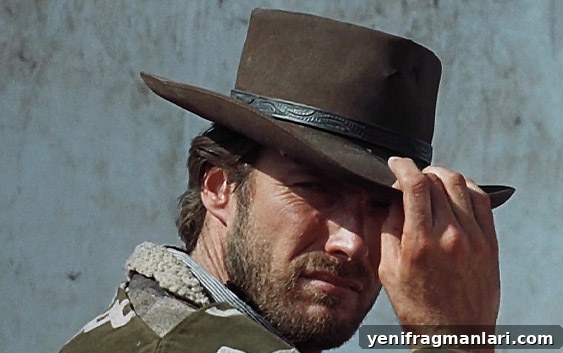
In 1964 cinema underwent a subtle but decisive shift. That year saw the European release of Sergio Leone’s A Fistful of Dollars, the first in his seminal spaghetti western trilogy starring Clint Eastwood. When the film reached U.S. and English-speaking audiences a few years later, it not only made Eastwood a star but also changed the audience’s expectations for the action hero.
Before Leone’s film, western and war heroes on screen were often depicted as almost superhuman. Actors like John Wayne had established a tradition of protagonists who seemed invulnerable: they could punch through opponents, walk away from gunfights without a scratch, and perform feats that strained believability. These portrayals reflected a less gritty, more heroic ideal that dominated many mid-century American films.
A Fistful of Dollars approached the genre differently. It drew heavy inspiration from Japanese cinema—most notably Akira Kurosawa’s Yojimbo—and transplanted that moral ambiguity and stylistic grit into the western setting.
Recommended for you: Where to Start with Akira Kurosawa
The film follows a nameless stranger who arrives in a dusty border town caught in a violent feud between rival factions. He is quick with a gun and opportunistic, manipulating both sides to his advantage while plotting to steal a valuable shipment of gold. But when his schemes put him at odds with powerful enemies, he is captured, brutally beaten, and left for dead.
That scene—where the protagonist is physically broken—was a revelation. Unlike earlier western heroes who shrugged off harm and trauma, Leone’s Stranger is human: vulnerable, battered, and capable of defeat. He eventually recovers, but the fact that he could be overpowered at all changed the way filmgoers perceived male action heroes. This new kind of protagonist could fail, suffer, and still find the resilience to fight back. The emotional and physical fallibility made these characters feel more real and relatable.
Leone’s visual style amplified that shift. His lead wore a grubby poncho and dark jeans; close-ups lingered on a stubbled, squinting face rather than a polished, heroic visage. The director favored long, operatic close shots that forced the audience into a direct emotional engagement with the characters. This raw, dusty aesthetic contrasted sharply with the spotless, often romanticized imagery of classic westerns and gave the film a distinctive, modern edge.
The success of A Fistful of Dollars and its sequels—For a Few Dollars More and The Good, the Bad and the Ugly—helped usher in a grittier era for action cinema. The flawed, vulnerable hero became increasingly common throughout the 1970s and beyond: films like Dirty Harry and The French Connection presented protagonists who operated in moral gray zones and paid physically and emotionally for their choices. By the late 1970s and 1980s, mainstream blockbusters such as Mad Max, Die Hard, Raiders of the Lost Ark, The Terminator, and Blade Runner continued to explore heroism as something less pristine and more precarious.
This evolution continues today. Contemporary superhero and action films often subject their protagonists to severe setbacks—Tony Stark in the Marvel films faces life-threatening challenges, and Christopher Nolan’s Batman was famously pummeled and broken by Bane in The Dark Knight Rises—then dramatize their return. The narrative arc of defeat and resurgence has become a staple because it deepens emotional stakes and creates a stronger connection between audience and hero.
A Fistful of Dollars did more than launch a genre; it redefined the archetype of the cinematic hero. By making vulnerability and resilience central attributes of the protagonist, Sergio Leone and Clint Eastwood helped transform how stories about masculinity, courage, and survival are told on screen. The result is a lineage of action heroes who are not simply unbeatable figures but complex, fallible men whose struggles make their triumphs meaningful.
Written by Stephen Vega
You can support Stephen Vega in the following places:
Twitter: @essayhollywood