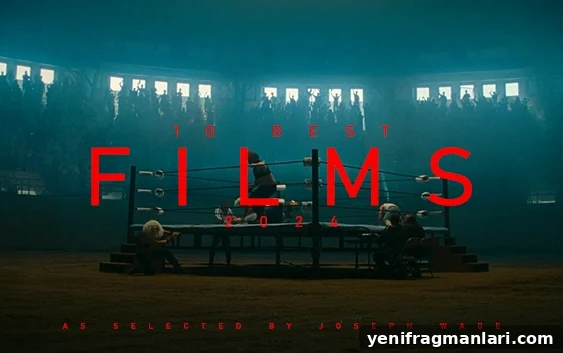
As we move into another year of uncertainty and debate, cinephiles can be confident of one enduring truth: cinema is not dead.
In 2024, feature films from around the world inspired, provoked and entertained. Hollywood tentpoles shared screen space with bold work from China and India, delivering ambitious choreography, inventive stunt work, and plenty of big-screen spectacle.
On the short-film front, emerging filmmakers announced themselves with subversive techniques, focused storytelling and fearless subject matter. A new generation of directors, cinematographers, writers and editors made clear they will shape the future of cinema.
Below are my picks for the ten best feature films of 2024. These movies captured the mood of the moment, pushed creative boundaries, and offered powerful insights into life, thought and feeling in this era.
These are the 10 Best Films of 2024, selected by Joseph Wade.
Follow @JoeTFM on Instagram, Bluesky and X (Twitter).
10. The Substance
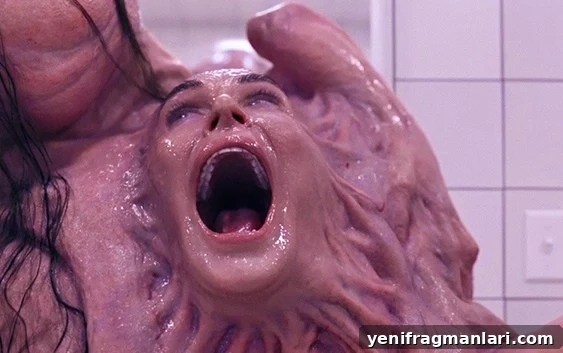
The Substance Review
Coralie Fargeat’s The Substance is audacious, visceral and defiantly strange—a rollercoaster of anxieties and phobias that grips you even as you reach for popcorn. Demi Moore plays Elisabeth Sparkle, a television celebrity confronting middle age and the fading of fame. In a desperate bid to preserve her career she undergoes an experimental surgery that spawns a younger version of herself (Margaret Qualley) from her back. The two alternate consciousness week by week, and as the addiction to youth intensifies, the younger version resists relinquishing control.
The film skewers Hollywood’s brutal beauty standards and our culture’s obsession with eternal youth. Its body-horror imagery—at times shocking and uncanny—serves a pointed critique of ageism and self-image pressures. With standout performances from Moore and Qualley, and scene-stealing support from Dennis Quaid, The Substance is a provocative, unforgettable piece of contemporary cinema.
9. Civil War
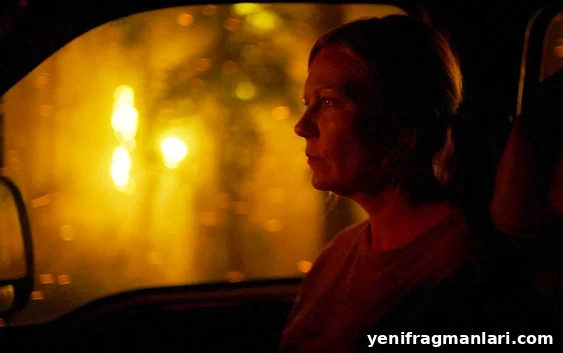
Civil War Review
Alex Garland’s near-future thriller Civil War feels especially urgent in a time of growing political division. It’s a noisy, uncompromising film that forces attention and challenges viewers to consider the consequences of ideological fracture. Cailee Spaeny delivers a fierce performance as Jessie, an aspiring war photographer who joins seasoned journalists Lee Smith and colleagues as they traverse a fractured United States to secure an interview with a tyrannical president.
The film features taut, high-tension sequences—most notably an extended encounter with Jesse Plemons’ unpredictable Militiaman—that showcase superb dialogue and powerful acting from Kirsten Dunst, Wagner Moura and Plemons. Civil War doesn’t offer neat political answers; instead it confronts the dangers of escalating division and the human cost of ideological conflict, making it a timely and compelling viewing experience.
8. Dune: Part Two
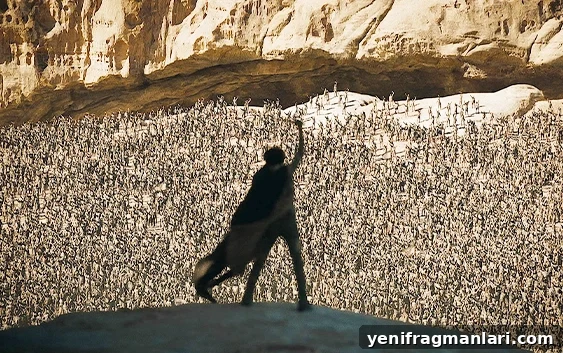
Dune: Part Two Review
Denis Villeneuve confirms his stature as a modern master with Dune: Part Two. Rather than simply repeating the first film’s approach, Villeneuve expands the visual language, incorporating technical innovations—like extended infrared photography—that heighten a sense of otherworldly alienation. Timothée Chalamet’s Paul Atreides grows into his destiny as a leader facing formidable enemies, supported by Zendaya’s Chani and Javier Bardem’s Stilgar. The cast squares off against a powerful imperial threat led by Christopher Walken and embodied by Austin Butler’s Feyd-Rautha.
This is grand-scale sci‑fi with arthouse sensibilities: a studio blockbuster rendered with meticulous craft from Villeneuve, cinematographer Greig Fraser and the creative team. It’s a space opera of scale and depth, the kind of film future critics and filmmakers will study for its technical daring and bold storytelling.
7. The Wild Robot
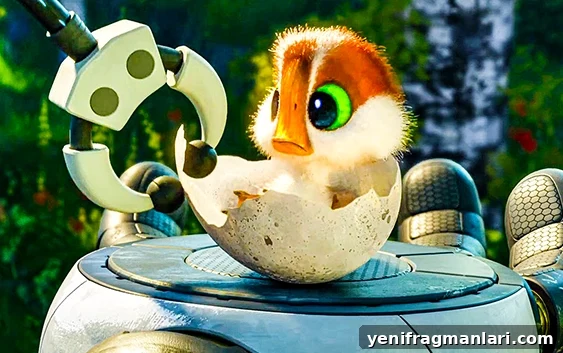
The Wild Robot Review
Animation in 2024 offered a surge of creativity, and DreamWorks’ The Wild Robot is a standout: a 3D film that embraces painterly textures and deliberate imperfections to foreground the animators’ artistry. Lupita Nyong’o voices Roz, a service robot who crash-lands in a forest and becomes the guardian of a gosling named Brightbill (voiced by Kit Connor). With help from a fox, Fink (Pedro Pascal), and the forest community, Roz learns empathy, parenting and belonging.
Visually, the movie borrows the expressive risks of the Spider-Verse films—moments where characters appear painted outside the lines—celebrating imperfection as an artistic choice. The Wild Robot is also emotionally resonant, exploring themes of acceptance, community and the power of care. It stands alongside recent adventures in animation as a likely future family classic.
6. Challengers
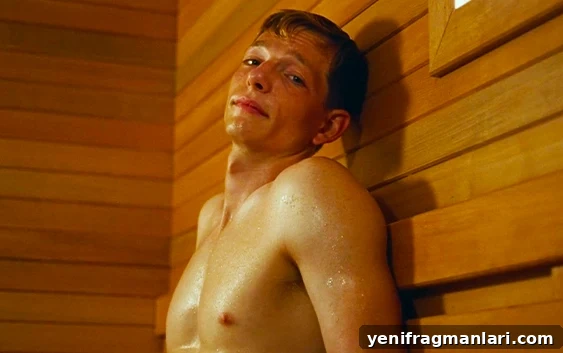
Challengers Review
Luca Guadagnino’s Challengers is an erotic, stylish and emotionally intense modern sports drama. Josh O’Connor and Mike Faist play professional tennis players locked in a complicated friendship, and Zendaya brings magnetic presence as the third point in their love triangle. The film dwells on physicality, desire and rivalry, building to a climactic match whose shifting meanings reflect years of tension and unresolved feeling.
With lush color, languid slow-motion and a relentless sexual charge, Challengers balances melodrama and psychological insight. It’s audience-forward cinema with the texture and risk of an art film—compelling, uncomfortable and often exhilarating.
5. Anora
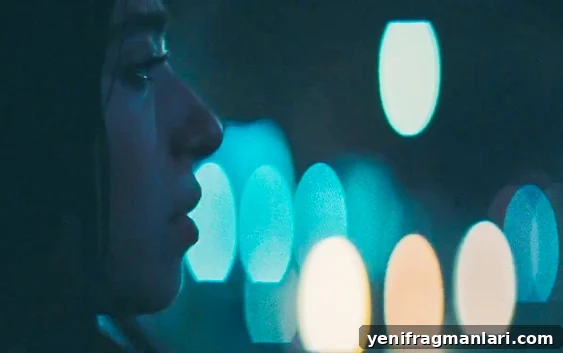
Anora Review
Sean Baker’s Cannes Palme d’Or winner Anora is a relentless, relentless ride across its 149-minute runtime—an intense character study that recalls the urgency of Uncut Gems while forging its own path. Mikey Madison shines as Ani, an erotic dancer whose life flips when she becomes involved with the son of a Russian billionaire. Thrust into luxury and danger, Ani navigates a world where power dynamics, exploitation and wealth collide.
Baker blends thrilling set pieces with sharp social commentary, exploring gender, objectification and the crushing weight of economic inequality. The film’s energy and empathy make it both a compelling thriller and a thoughtful critique of modern power structures.
4. Alien: Romulus
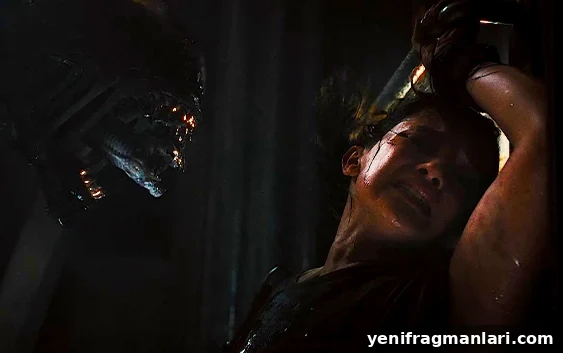
Alien: Romulus Review
Fede Álvarez reinvigorates the Alien franchise with Romulus, a tense, visceral space-horror that pays homage to the series’ roots while delivering fresh scares. Cailee Spaeny plays Rain Carradine, a worker on a distant planet who seizes an escape opportunity with Tyler (Archie Renaux) and a malfunctioning robot, only to encounter horrific threats in the void of space.
Romulus honors the franchise’s legacy but also escalates its tension, delivering genuine scares and a final act that deepens the stakes. The film’s allegorical approach to disability and acceptance adds emotional resonance to its horror, making it a compelling addition to the series and a film many will revisit.
3. The Holdovers
The Holdovers Review
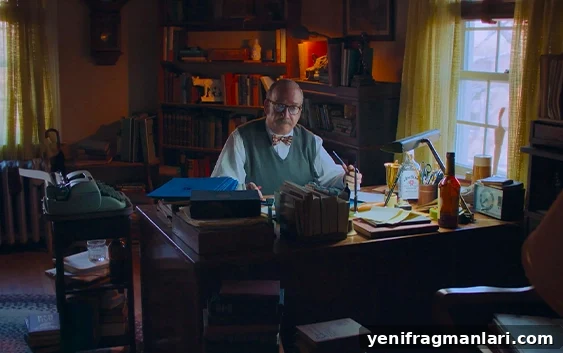
Alexander Payne’s The Holdovers continues his streak of character-driven American films that combine sharp comedy and heartfelt emotion. Paul Giamatti embodies a disgruntled prep-school teacher forced to stay on campus over the holidays to supervise Dominic Sessa’s troubled student, Angus. Joined by Da’Vine Joy Randolph’s warm and grounding Mary Lamb, the unlikely trio discover empathy and connection across a cold winter break.
The Holdovers is an actor’s film, with intimate performances and finely observed dialogue. Its wintry, homely visuals and gentle humor underline a story about human care, forgiveness and the unexpected ways we find family.
2. The Iron Claw
The Iron Claw Review
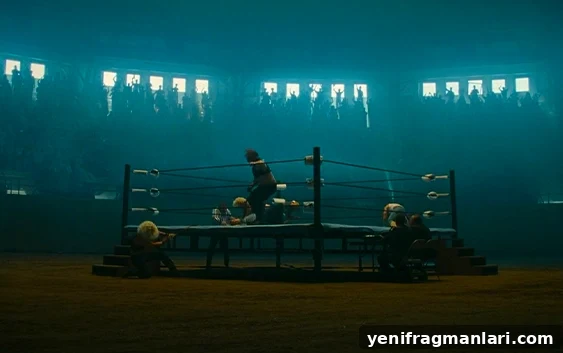
Sean Durkin’s The Iron Claw is a devastating family drama that deconstructs myths of American exceptionalism through the true story of the Von Erich wrestling family. Zac Efron gives a powerful performance as Kevin Von Erich, caught amid the physical and emotional pressures imposed by his father, Fritz (Holt McCallany). The film balances the spectacle of wrestling with a harrowing portrait of abuse, loss and the cost of fame.
Durkin’s sensitive direction couples with a haunting score and songwriting that deepen the film’s emotional impact. The Iron Claw is both a respectful tribute to a fallen family and a scathing interrogation of the ideals that contributed to their tragedy.
1. The Zone of Interest
The Zone of Interest Review
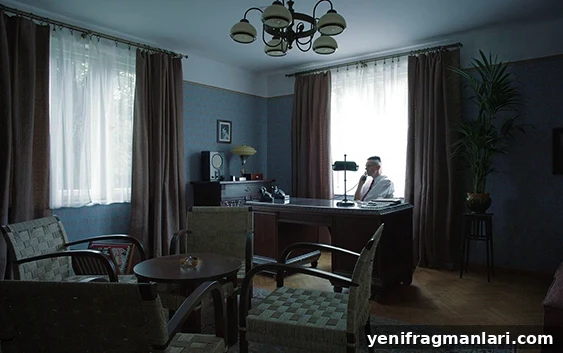
Jonathan Glazer’s The Zone of Interest is an instant classic and one of the most important films of the 21st century. Glazer focuses on a married couple living beside a Nazi extermination camp, directing the camera toward the ordinary domesticity unfolding just yards from atrocity. The film’s juxtaposition of mundane family life with the sounds and consequences of genocide creates a chilling moral inquiry: how can ordinary existence continue in the shadow of such horrors?
Cinematographer Łukasz Żal lends a documentary-like, washed-out aesthetic with wide lenses often positioned where security cameras might sit, and Glazer intersperses arthouse elements—heat-vision segments, precise framing—to heighten the film’s unsettling effect. The Zone of Interest refuses sympathy for its central figures and compels viewers to face the terrifying implications of complacency and denial. It is a monumental achievement and, for me, the defining cinematic work of 2024.
Despite production delays, studio upheaval and the ever-changing streaming landscape, the art of film shone in 2024. This year offered a range of singular, powerful works that demanded attention, analysis and feeling. If future cinema maintains this standard of quality and courage, the next life-changing theatrical experience may be just around the corner.
There is no substitute for the dark of a cinema auditorium—turn your phone off, lose yourself for a while, and let a film change you.
For the 100 Greatest Films of the 2020s (So Far), see The Film Magazine Edition 1 (2020–2024).