
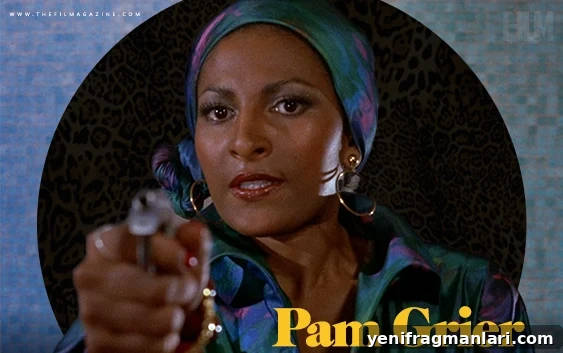
Pam Grier is widely regarded as one of the most influential female action stars in American cinema. Rising to prominence during the blaxploitation era of the early 1970s, her memorable performances in prison and crime dramas helped establish her as a cultural icon and a leading force in a genre that reshaped Hollywood’s portrayal of Black protagonists.
Blaxploitation films—typically independently produced, low-budget features that often played in grindhouse cinemas—became an important and controversial chapter in American film history. These movies frequently featured funk and soul soundtracks, urban settings, and stories centered on Black characters who resisted and overthrew systems of oppression. Pam Grier starred in several of the movement’s defining titles, including Scream Blacula Scream (1973), Sheba, Baby (1975), Bucktown (1975) and Friday Foster (1975). In each, she brought a rare combination of toughness, charisma, and emotional depth that elevated the material.
Grier’s trajectory into stardom began with collaborations under producers and directors who specialized in exploitation cinema, most notably in films produced by Roger Corman and directed by Jack Hill. Early roles in Women in Cages (1971) and The Big Bird Cage (1972) showcased a screen presence that was both magnetic and formidable. That presence reached wider recognition with her breakout, career-defining performances in Coffy (1973) and Foxy Brown (1974), films that turned her into the era’s most prominent female action lead.
Beyond the 1970s, Grier maintained a steady and varied career. She appeared on television in a recurring role as NYPD detective Valerie Gordon on the popular series Miami Vice (1985–1989), demonstrating her ability to transition between gritty genre cinema and mainstream network television. Her work later received renewed attention and critical acclaim with Quentin Tarantino’s Jackie Brown (1997), a role that not only paid direct homage to the blaxploitation films of her early career but also earned Grier prestigious award nominations and reintroduced her to a new generation of filmgoers.
With more than a hundred acting credits across film and television, Pam Grier’s career reflects longevity, versatility, and an enduring influence on portrayals of strong Black women in popular culture. The following guide highlights three of her most important and career-defining performances—films that best illustrate her impact, range, and legacy.
Follow the film community and classic cinema conversations on social platforms for additional context on Grier’s influence and film history.
1. Coffy (1973)
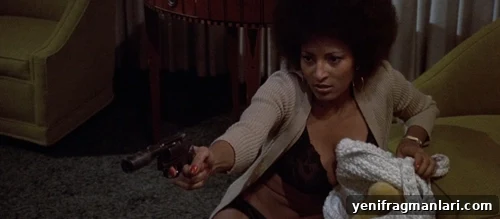
Directed by Jack Hill, Coffy stands as one of Pam Grier’s most iconic films and a seminal title in grindhouse cinema. After working with Hill on The Big Doll House (1971) and The Big Bird Cage (1972), Grier returned to headline a film that subverted many of the era’s genre expectations. Coffy presented a rare example of a female-led revenge thriller that positioned a Black woman—by profession a nurse—as the central avenger confronting a drug-plagued community.
Unlike many films of its time that glamorized drug culture or reduced women to erotic spectacle, Coffy turns those tropes on their head. The story transforms elements of sex and narcotics into narrative tools that expose the destructive forces preying on vulnerable communities. Grier’s performance is fierce and committed: she plays a woman driven by grief and moral urgency, willing to take direct action against those responsible for her sister’s addiction. The film’s combination of social anger and determined heroism helped cement Grier’s reputation as a powerful lead capable of both grit and nuance.
Coffy helped propel Grier into mainstream recognition and showcased her ability to carry a film while imbuing a genre role with emotional depth and moral clarity. Her portrayal made Coffy not just an exploitation heroine but a memorable and enduring cinematic figure.
2. Foxy Brown (1974)
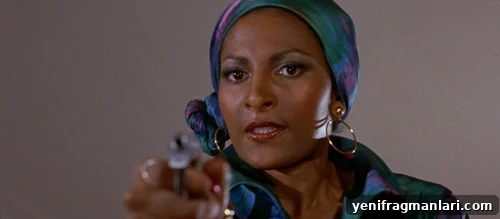
Released less than a year after Coffy, Foxy Brown reunited Grier with director Jack Hill and reinforced her status as the definitive blaxploitation heroine. Although producers initially considered a direct sequel to Coffy, the project evolved into a standalone story centered on a relentless, stylish protagonist who infiltrates a criminal organization to avenge personal wrongs. Foxy Brown became one of the era’s most recognizable characters—equal parts toughness, sexuality, and moral resolve.
What distinguishes Foxy Brown from many contemporary revenge pictures is the emotional grounding Grier brings to the role. The character’s violent tactics are motivated by genuine pain and a desire for justice rather than simple bloodlust. Grier balances the character’s fierce exterior with moments of vulnerability and conviction, ensuring that Foxy is remembered as a complex, empathetic figure rather than a one-dimensional avenger.
Foxy Brown remains a signature performance within Grier’s filmography, demonstrating how she consistently elevated genre material through sincerity and intensity. The film’s bold style and Grier’s magnetic screen presence helped shape the visual and cultural language of the blaxploitation movement.
3. Jackie Brown (1997)

Quentin Tarantino’s Jackie Brown reunited Pam Grier with the type of material that initially made her a star, but it did so with a modern, self-aware sensibility. Adapted from Elmore Leonard’s novel, the film features an ensemble cast, yet Grier’s lead performance is the movie’s emotional anchor. She plays a seasoned flight attendant entangled with criminal elements, delivering a portrayal that mixes streetwise intelligence with quiet vulnerability.
Tarantino’s admiration for 1970s cinema is well documented, and his casting of Grier was both a tribute to her legacy and an opportunity to showcase her range to contemporary audiences. In Jackie Brown, she moves beyond the archetypal revenge heroine into a character who navigates complex moral choices and survival strategies. Her performance earned widespread critical praise and several award nominations, reaffirming her status as a major screen presence across decades.
Pam Grier’s career demonstrates extraordinary adaptability: from the raw energy of 1970s grindhouse films to acclaimed mainstream projects, she has consistently dominated the screen with charisma, intensity, and authenticity. Her portrayals of determined, multifaceted women changed expectations for action heroines and left a lasting mark on film history. For viewers discovering her work for the first time or revisiting it with fresh eyes, Coffy, Foxy Brown, and Jackie Brown remain essential films that capture the full scope of her talent and cultural significance.