
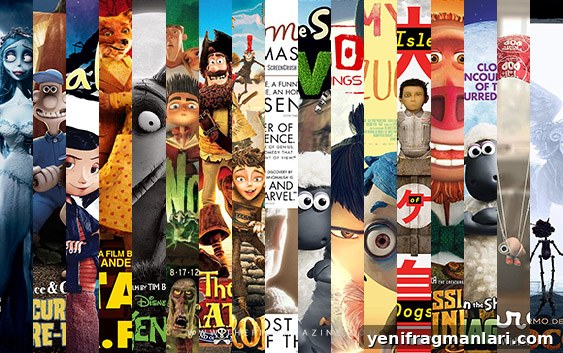
If there’s a filmmaking style that truly embodies the magic of cinema, it’s stop-motion animation. Every frame matters when creating the illusion of motion: puppets, plasticine figures, and everyday objects are subtly repositioned between thousands of individual photographs. Those images, stitched together, bring inanimate things to life and tell moving stories. The technique is painstaking and time-consuming — dozens of hours and over a thousand frames are often required to produce a single minute of finished film.
Since the Academy Award for Best Animated Feature was introduced in 2002, stop-motion animation has been recognized for its inventive craft and commitment to tactile storytelling. Stop-motion features have received nominations in the category and, on one occasion, have taken home the Oscar. The field includes celebrated studios such as Aardman Animations and Laika, and auteur filmmakers like Tim Burton and Wes Anderson. In recent years, the category has broadened to honor newcomers and established directors alike, underscoring the medium’s continuing vitality and creative reach.
In this edition of Ranked from The Film Magazine, we examine the 17 stop-motion films that have been nominated for the Academy Award for Best Animated Feature. These films range from whimsical comedies to haunting dramas, horror to sci-fi, and inventive adventures. We consider how each uses the medium — its textures, deliberate motion, and physical presence — to create three-dimensional characters and resonant narratives. Below are the Stop-Motion Animated Feature Oscar Nominees, ranked and reviewed.
Follow The Film Magazine on social platforms for more film analysis and curated lists.
17. A Shaun the Sheep Movie: Farmageddon (2019)
A Shaun the Sheep Movie: Farmageddon Review
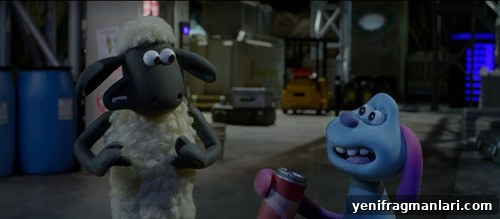
Aardman’s second Shaun the Sheep feature is charming and amusing, but it lacks the narrative depth and emotional stakes expected of Oscar contenders. Shaun and his flock meet a lost alien, Lu-la, and attempt to help her return home while evading a government agency. The film delivers Aardman’s trademark plasticine design and largely silent, slapstick gags, but the story feels stale and overly predictable. As a feature-length adventure, it’s entertaining, but it doesn’t reach the level of maturity or heart found in stronger nominees.
16. Missing Link (2019)
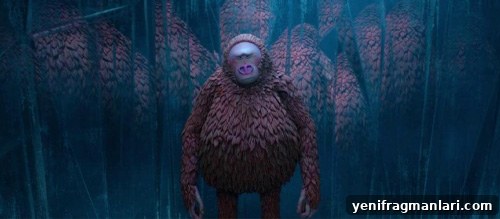
Laika’s Missing Link is bright, colorful, and technically impressive but struggles with character relatability and dialogue. The story follows Sir Lionel Frost and a Sasquatch named Mr. Link on a cross-continental journey to reunite Mr. Link with his distant relatives. The visual effects — especially the rendering of hair and water — are remarkable, blending traditional stop motion with digital tools. Yet that polish softens the medium’s handcrafted feel, and the script’s light tone reduces emotional weight compared with Laika’s darker fare.
15. The Boxtrolls (2014)
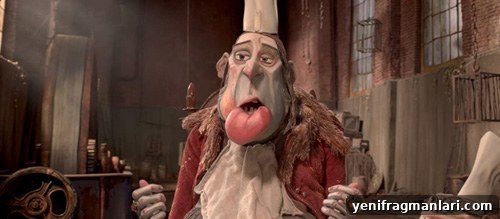
Laika’s The Boxtrolls combines inventive production design and macabre charm but can be unsettling and narratively muddled. In the town of Cheesebridge, underground-dwelling Boxtrolls are blamed for a missing child, while an ambitious exterminator, Archibald Snatcher, hunts them. The film’s steampunk aesthetic and large-scale practical effects are impressive, yet some character motivations and worldbuilding details feel unclear. The darker tone and grotesque imagery make it less accessible for younger audiences, although its craftsmanship is undeniable.
14. Frankenweenie (2012)
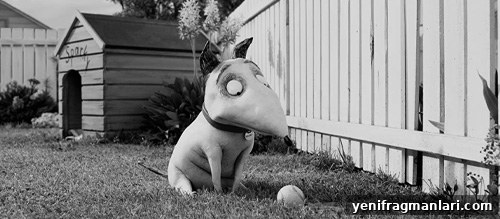
Tim Burton’s Frankenweenie revisits many of the director’s favorite themes — dark humor, outsiders, and gothic romance — in a black-and-white stop-motion homage to classic horror. A boy named Victor reanimates his dog, Sparky, with unintended consequences when his classmates request similar experiments. The film’s visual style channels German Expressionism and old-school horror, and it benefits from a strong voice cast. Still, compared with Burton’s most original stop-motion work, Frankenweenie feels less inventive and occasionally overwhelmed by its eccentric supporting characters.
13. Shaun the Sheep Movie (2015)
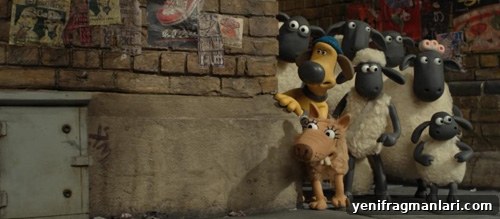
Shaun the Sheep’s first feature expands the TV show’s sly, visual humor into a delightfully absurd big-screen caper. Shaun tricks the Farmer into sleeping and heads to the city for adventure; after a crash leaves the Farmer with amnesia, Shaun and his companions must restore his memory. The film’s silent-film-style gags, inventive claymation, and playful absurdity deliver sustained laughs and genuine warmth. It’s a bright, family-friendly example of why tactile animation still charms audiences.
12. The Pirates! In an Adventure with Scientists! (2012)
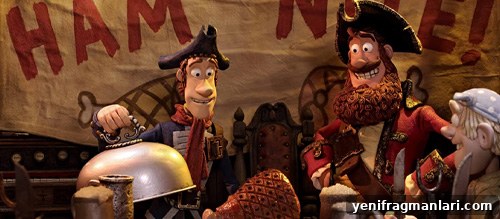
This swashbuckling Aardman feature is full of wit, heart, and surprising tenderness. The self-proclaimed Pirate Captain seeks fame and the Pirate of the Year award but discovers that loyalty and friendship matter more than recognition. The film mixes historical figures and playful anachronism, and the voice cast brings energy and charm. Clever writing and character growth turn a madcap adventure into a sweet, rewarding story.
11. ParaNorman (2012)
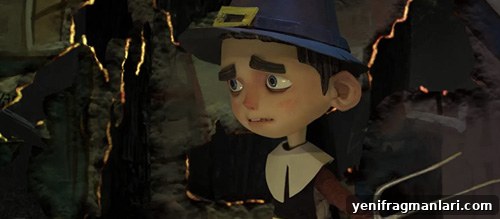
ParaNorman blends horror-comedy and heartfelt coming-of-age themes, centered on Norman, a boy who can see and speak with the dead. Tasked with lifting an ancient witch’s curse, Norman and his friends confront zombies and a small town’s secrets. The film balances playful scares with a compassionate message about acceptance and identity. Laika’s craftsmanship and the film’s emotional core make it one of the studio’s most accessible and earnest offerings.
10. Anomalisa (2015)
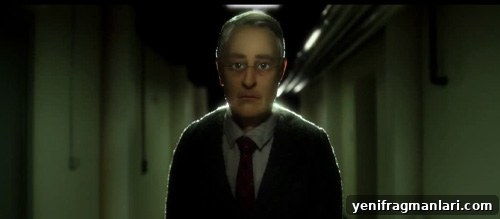
One of the few stop-motion features aimed explicitly at adults, Anomalisa offers an unsettling, intimate study of loneliness and perception. Michael, a speaker and customer service expert, experiences a dissociative familiarization where every person appears identical — until he meets Lisa, who seems different. The film’s deliberate, imperfect puppetry emphasizes the artificiality of Michael’s world and enhances its emotional disorientation. Anomalisa is brave and unique, using stop motion to explore psychological themes rarely tackled in mainstream animation.
9. Marcel the Shell with Shoes On (2021)
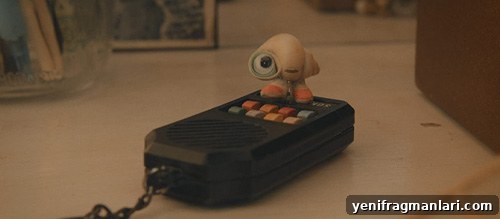
Marcel the Shell with Shoes On
A hybrid of stop motion and live action, Marcel the Shell is a tender, intimate meditation on life, loss, and small pleasures. Marcel, a one-inch-tall shell, lives with his grandmother and becomes an unlikely internet sensation when a filmmaker documents his resourceful, poignant world. The film’s minimal, careful production design and gentle performances create a microcosm of whimsy and melancholy. Though unconventional among full stop-motion features, Marcel’s emotional honesty and creative worldbuilding make it unforgettable.
8. Corpse Bride (2005)
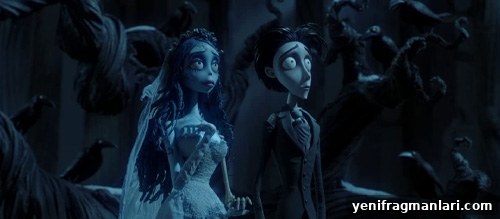
Tim Burton’s Corpse Bride is a richly Gothic fairy tale that juxtaposes the dreary living world with a vibrant afterlife. When Victor accidentally weds the Corpse Bride, he must navigate loyalties between two very different realms. The film’s production design, skeletal character motifs, and dramatic lighting reinforce Burton’s affinity for expressionist horror while delivering a moving, tragic love story. Corpse Bride stands as a high point in Burton’s stop-motion filmography.
7. Isle of Dogs (2018)

Isle of Dogs Review
Wes Anderson’s Isle of Dogs is a meticulous, emotionally resonant tale set in a near-future Japan where dogs are exiled to an island. A young boy’s search for his dog becomes a quest to undo a cruel policy. Anderson’s symmetrical composition, precise animation, and carefully curated voice ensemble produce a distinct visual and emotional tone. The film sparked debate over cultural representation but remains an ambitious, beautifully crafted stop-motion achievement that balances humor with heartfelt stakes.
6. Guillermo del Toro’s Pinocchio (2022)
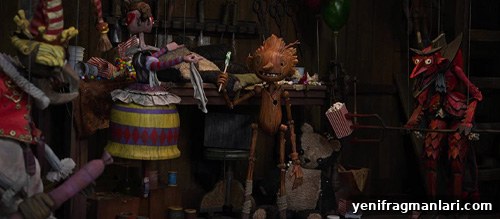
Guillermo del Toro’s Pinocchio Review
Guillermo del Toro’s Pinocchio reframes Collodi’s classic as a haunting, emotionally rich tale set in Fascist-era Italy. Geppetto carves a puppet to replace his lost son, and the puppet learns about humanity, obedience, and moral courage. The film’s use of stop-motion puppetry adds powerful self-reflexivity: objects brought to life mirror human struggles under authoritarian pressures. Del Toro’s signature themes — faith, pacifism, and resistance — imbue the story with depth, while the production’s tactile textures and imperfect beauty enhance its poignancy.
5. Fantastic Mr. Fox (2009)
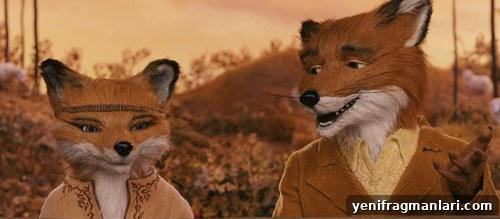
Fantastic Mr. Fox Review
Wes Anderson’s adaptation of Roald Dahl is a warm, witty stop-motion gem. Mr. Fox’s attempt at one last heist forces him to confront responsibility, family, and community. Anderson’s precise visual vocabulary, dry humor, and tender character arcs turn anthropomorphic puppets into fully realized emotional beings. The film blends playful design with profound themes of legacy and belonging, making it one of the most beloved stop-motion features.
4. Kubo and the Two Strings (2016)
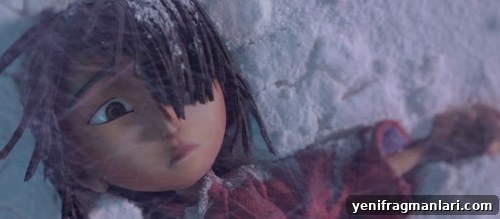
Laika’s Kubo and the Two Strings is a sweeping, visually stunning adventure that handles grief, memory, and storytelling with maturity. Kubo uses magic and origami to summon paper figures and faces epic quests with the help of loyal companions. The film showcases exquisite puppet design, textiles, and a seamless blend of practical and digital effects. Its emotional clarity and technical ambition make Kubo one of the studio’s finest achievements.
3. Coraline (2009)
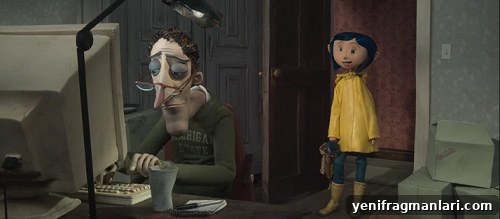
Coraline, adapted from Neil Gaiman’s novel, is a singular achievement in stop-motion horror-fantasy. A young girl discovers an idealized parallel world with a sinister cost: the Other Mother wants to replace her eyes with buttons. The film’s groundbreaking 3D cinematography, eerie production design, and unnerving imagery create a lasting sense of wonder and dread. Coraline remains one of the most inventive and memorable stop-motion features ever made.
2. Wallace & Gromit: The Curse of the Were-Rabbit (2005)
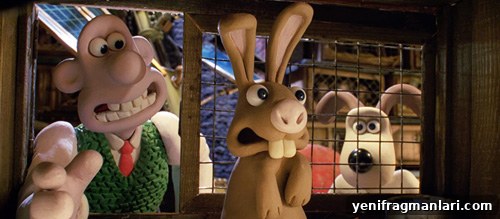
Aardman’s Wallace & Gromit feature is everything fans expect: clever claymation, impeccable comic timing, and heartfelt British charm. When a mysterious beast threatens the town’s giant vegetable competition, inventor Wallace and his loyal dog Gromit must investigate. The film won the Academy Award for Best Animated Feature and remains an exemplar of how stop-motion comedy can deliver both laughs and suspense while honoring longstanding creative traditions.
1. My Life as a Courgette (2016)
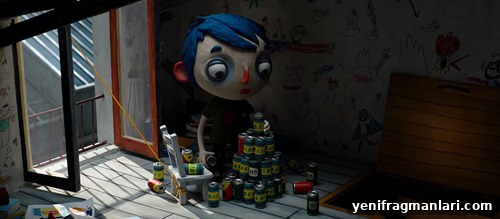
Claude Barras’s My Life as a Courgette is a tender, understated masterpiece that treats difficult themes with warmth and empathy. After a tragic incident, young Courgette is placed in an orphanage where he forms a chosen family with other children. The film’s minimal, handcrafted aesthetic evokes a childlike perspective while delivering profound emotional insight about resilience, community, and love. Its delicate storytelling and thoughtful design make it the most affecting stop-motion nominee on this list.
The beauty of stop-motion lies in its meticulous process: the time and care required to animate each frame force us to value the small details that form the whole. Every film on this list reflects the courage and creativity of filmmakers who choose a tactile, hands-on approach to storytelling. Though stop-motion features may compete against larger studios and different animation techniques, they consistently demonstrate that texture, imperfection, and physical presence can create powerful cinematic experiences.
For more curated lists and film analysis, follow The Film Magazine on social platforms and explore the work of film writers and critics who celebrate cinematic craft and storytelling.