
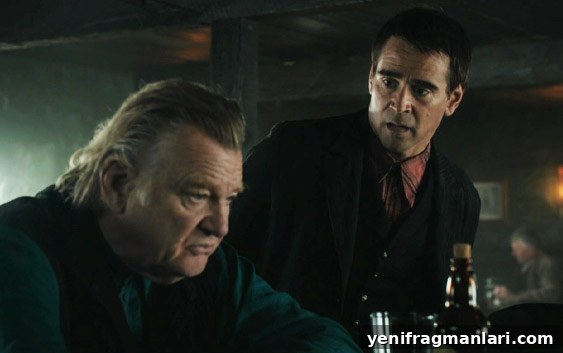
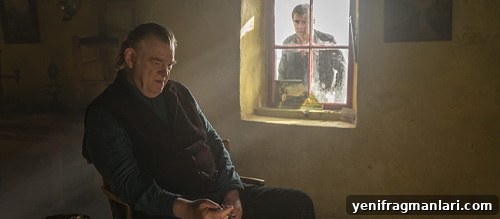
The Banshees of Inisherin (2022)
Director: Martin McDonagh
Screenwriter: Martin McDonagh
Starring: Colin Farrell, Brendan Gleeson, Kerry Condon, Barry Keoghan, Pat Shortt, Gary Lydon, David Pearse, Sheila Flitton, Bríd Ní Neachtain
Martin McDonagh, a writer-director celebrated for his darkly comic investigations of human behavior, returns with The Banshees of Inisherin, a film that probes masculinity, mental health, and the corrosive effects of silence. Known for blending sharp humor with unsettling emotional truths, McDonagh uses his trademark dialogue and carefully controlled tone to unpack a story that is at once funny, devastating, and quietly profound. While not as broadly comedic as In Bruges or as openly populist as Three Billboards Outside Ebbing, Missouri, this film may well be his most accomplished work to date.
Set on the isolated island of Inisherin off the coast of Ireland during a period of civil unrest on the mainland, the film centers on the sudden rupture between two old friends and the cascade of consequences that follows. Colin Farrell plays Pádraic Súilleabháin, a warm, uncomplicated man whose everyday pleasures and loyalty define him. Brendan Gleeson plays Colm, an introspective musician and maker who, frustrated by what he sees as triviality in his friend’s life, ends the friendship abruptly. In a closed community where personal interactions are everything, a seemingly small decision becomes the fulcrum for escalating pain, misunderstanding, and tragedy.
McDonagh’s script is precise and economical, full of witty turns of phrase and silences that carry as much meaning as the spoken lines. The film’s humor emerges naturally from character and circumstance rather than broad gags, and its darker undercurrents build gradually until the emotional stakes feel operatic. Between the laughs, McDonagh places a steady examination of how men often respond to vulnerability: with avoidance, with pride, and sometimes with violence done more to protect image than to resolve suffering. The island itself functions almost as a character—its bleak beauty and claustrophobic intimacy magnify every slight and every failure to reach out.
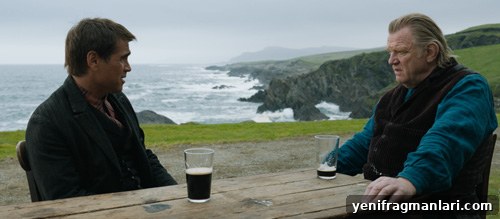
Colin Farrell delivers a quietly remarkable performance as Pádraic. He balances physical comedy and heartbreaking restraint, moving from gentle warmth to hollow resignation in ways that feel earned and devastating. Farrell’s use of small gestures—an altered posture, a distant look, a faltering voice—tracks the character’s emotional descent with subtlety and force. This role allows Farrell to show both comedic timing and dramatic depth, making Pádraic empathetic and unforgettable.
Brendan Gleeson is equally powerful as Colm. His performance is controlled and nuanced; much is conveyed through his eyes and withheld words. Colm appears composed and resolute, yet Gleeson reveals the loneliness and fragile ego beneath that stoicism. The dynamic between Farrell and Gleeson is the film’s beating heart: their chemistry makes the rupture feel irreversibly personal and heartbreakingly plausible.
Supporting performances add texture and balance. Kerry Condon brings intelligence and quiet strength to the role of Siobhán, Pádraic’s sister, portraying a woman caught between duty and desire for something more. Barry Keoghan, as Dominic—the troubled son of the local policeman—shines in a more volatile, unpredictable role. He moves from comic relief to a much darker place, suggesting trauma beneath the surface charm. The ensemble overall is effective, with each actor enhancing McDonagh’s blend of humor and tragedy.
Visually, the film favors a restrained, almost photographic style that complements its slow-burning narrative. The cinematography underscores mood and isolation rather than spectacle, giving space for performances and dialogue to land. This deliberate approach may frustrate viewers seeking kinetic camerawork or rapid pacing, but it supports the film’s emotional precision. The result is a piece of filmmaking that prioritizes interior states and moral complexity over flashy moments, inviting viewers to sit with the discomfort the story raises.
The Banshees of Inisherin is ultimately an operatic fable about the consequences of pride, silence, and emotional isolation. It challenges audiences to consider how communities cope—or fail to cope—with mental illness and personal rupture, and how masculinity can both shield and wound. For viewers willing to engage beyond the laughs, the film offers sustained emotional payoff and lingering questions about connection, responsibility, and compassion.
Score: 23/24