
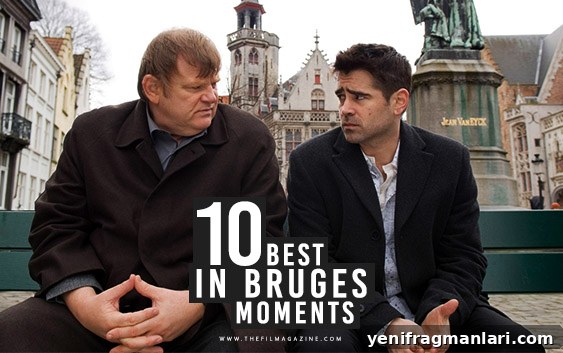
In Bruges (2008) might sound like a gentle travel film, but it’s an unexpectedly sharp and darkly comic story about friendship, guilt and redemption. Writer-director Martin McDonagh crafts a film that balances profanity and gravitas under a 15 (R) rating, producing a black comedy that is both heartbreaking and laugh-out-loud funny. Central to its success are two loathsome yet oddly lovable characters: Ray (Colin Farrell), moody and impulsive, and Ken (Brendan Gleeson), cultured, patient and oddly sentimental for a hitman. After a job goes horribly wrong, the pair are sent to Bruges to lie low. As they wander the city’s preserved medieval streets and canals, they clash, bond and confront their pasts. The result is a film that is as reflective as it is irreverent—“it’s like a fucking fairy tale,” as one character puts it.
This list highlights the most memorable, funny and affecting moments from McDonagh’s debut: the 10 Best In Bruges Moments.
10. Chloë Drops Her Number on the Street
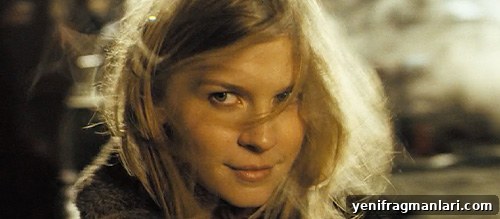
Chloë (Clémence Poésy) serves as a catalyst in the film. Her brief appearance sets off consequences that reverberate through the story: on a date with Ray, his temper explodes and later her ex alerts Harry to Ray’s location. Still, she’s not merely plot device—her cool, elusive presence and the way she casually drops her card on the cobbles perfectly contrast Ray’s jittery energy. That small, confident gesture reveals a character who is carefree and intriguing, and it highlights how different connections can shape the course of events.
9. The Last Judgement
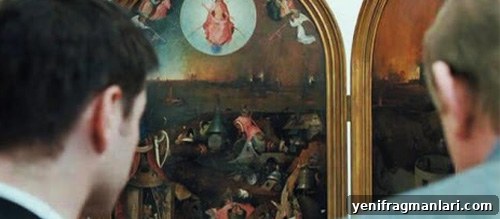
In the Groeningemuseum, Ken and Ray stand before Hieronymus Bosch’s The Last Judgement and discuss sin, judgment and the afterlife. Ken’s earnest explanations slowly land with Ray, and the half-whispered “oh” on Ray’s face speaks volumes. The scene mixes comedy with existential weight: two hitmen debating Heaven, Hell and purgatory is unexpectedly compelling. Lines like “Purgatory’s the inbetweeny one” are delivered with both humor and melancholy, foreshadowing the film’s themes about consequence and moral reckoning.
8. The End
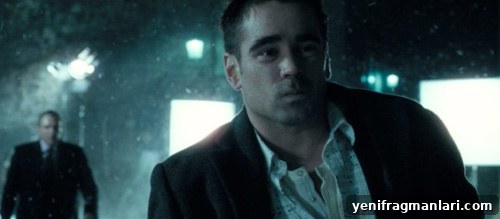
The film’s final moments—snow falling, Carter Burwell’s piano underscoring Ray’s voiceover—are quietly devastating. Ray offers a final monologue that mixes apology with disgust for Bruges, framing the town as his personal purgatory. The ending remains ambiguous: there’s a fragile hint of redemption, but Ray’s injuries and the film’s tense mood suggest that judgement may already be complete. That ambiguity fits the story perfectly, leaving the viewer to choose hope or despair.
7. “You Heet the Canadian.”

After Ken boards a train believing he has taken Ray’s place to face Harry, Ray is unexpectedly arrested and taken back to Bruges. Colin Farrell’s exasperated “Brilliant!” as he’s frogmarched through the train car turns a darkly comic moment into the opening salvo of the film’s climactic third act. The reversal jolts the narrative into motion and reinforces the film’s themes of fate and consequence.
6. Being Moody. Being Bad at Maths. Being Sad.
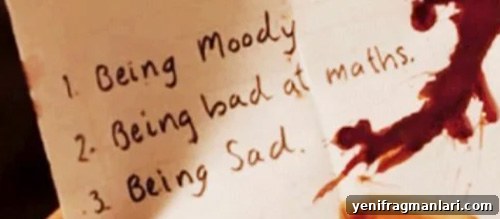
This sequence reveals why Ray and Ken are in Bruges, why Ray is consumed by guilt and why Harry is enraged. It functions as crucial exposition but remains painfully human and deeply moving. Even after witnessing Ray’s terrible actions, the film manages to position him as an oddly sympathetic anti-hero. The scene combines clarity, restraint and raw emotion—making Ray’s internal struggle both believable and heartbreaking.
5. “Do I Have To?”
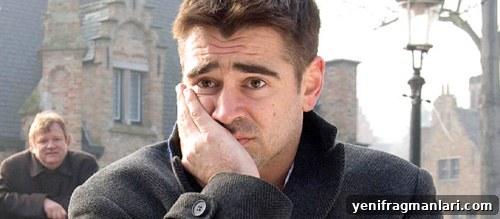
The film’s opening five minutes brilliantly establish Ray’s character: sulky, immature and resistant to new experiences. When Ken urges him to touch the relic on a church visit, Ray’s whispered “Do I have to?” encapsulates his petulance and fear of change. Ken’s barely concealed frustration—so intense it looks almost murderous—sets the tone for their relationship: a mix of exasperation, care and moral tension.
4. Harry’s Demise
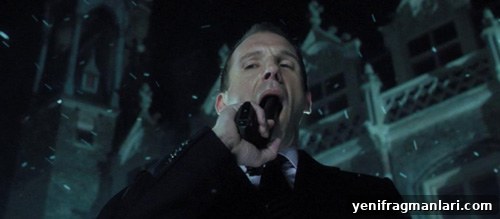
Ralph Fiennes’ Harry is crafted as a menacing antagonist with few redeeming qualities, and his presence clarifies why viewers can forgive Ray and Ken’s flaws. Harry’s rigid code of honor culminates in a self-inflicted act when he believes he’s made the same mistake as Ray. His death, grim and abrupt, stands out as one of the few moments of decisive moral reckoning in a film full of ambiguous ethics. It’s bleak but narratively satisfying.
3. Harry and Ken’s Phone Conversation in the Hotel
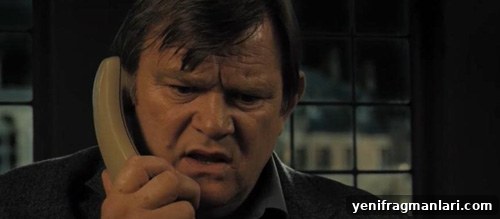
In the hotel, a fraught phone conversation between Harry and Ken mixes menace with fragile tenderness. Brendan Gleeson’s restrained performance and subtle physicality contrast with Harry’s sudden, erratic outbursts about beauty and fairy tales. Ken’s calming presence briefly steadies Harry before the conversation turns darker: Harry asks Ken to kill Ray. The scene captures the film’s ability to shift from absurdity to tension in an instant.
2. Ken’s Leap from the Tower
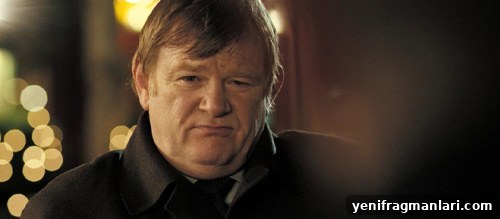
Ken’s decision to leap from the tower is one of the film’s most shocking and emotional moments. After being shot in the neck during a struggle with Harry, Ken climbs over the ledge and falls eighty metres into the mist below. The sequence is both brutal and strangely heroic, rendered with McDonagh’s characteristic blend of black comedy and pathos. Even amid the gore, small touches of humor—like the gun falling apart in Ray’s trembling hands and Ken’s understated line “I’m gonna die now, I think”—keep the scene true to the film’s tonal balance.
1. Ken Stops Ray’s Suicide
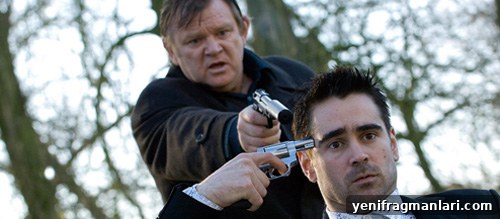
The film’s most affecting moment occurs when Ken, ordered to kill Ray, instead stops him from taking his own life. Ray pulls out a gun to end his misery; Ken, who had been ready to obey Harry, realizes he cannot kill his friend. The quiet exchange that follows—Ray trusting Ken enough to hand over his weapon without resistance, and Ken pleading that Ray live so he might do some good—reveals the depth of their bond. It’s tender, life-affirming and heartbreaking all at once, and it reframes both characters in a more humane light.
Written by Martha Lane
Which moments from In Bruges resonate most with you? Share your thoughts and favorite scenes—this film’s blend of dark comedy and emotional honesty invites many different responses.
Support the writer on social media: @poor_and_clean