
Anatomy of a Murder (1959)
Director: Otto Preminger
Screenwriter: Wendell Mayes
Starring: James Stewart, Lee Remick, George C. Scott, Ben Gazzara, Arthur O’Connell, Kathryn Grant, Brooks West, Orson Bean, Murray Hamilton, Joseph N. Welch
Courtroom dramas have a unique ability to generate tension and keep viewers on edge. The shouted “Objection!” or a quiet, devastating turn of phrase can instantly reshape a scene and change the stakes. Otto Preminger’s Anatomy of a Murder is a prime example: it sustains gripping suspense across its 160-minute runtime while continually eroding the viewer’s certainty about right and wrong.
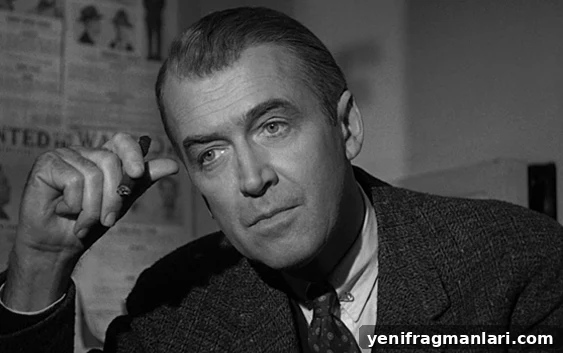
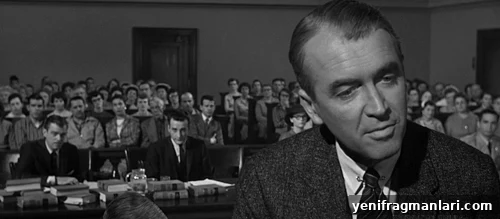
James Stewart stars as Paul Biegler, a former district attorney turned small-town defense lawyer who prefers fishing and an easy life. When a friend asks Biegler to defend Frederick Manion, whose wife’s alleged rapist has been killed, Biegler reluctantly takes the case. The trial that follows is the film’s beating heart. Much of the story unfolds in the courtroom: witness examinations, legal maneuvers, objections and overruled objections. That setup could have become static or dull, but instead the film stays taut and compelling, largely thanks to two key elements: sharp writing and outstanding performances.
Wendell Mayes’s screenplay is a masterclass in pacing. It unravels the truth slowly, revealing layers of motive and doubt at just the right moments so the audience remains engaged without feeling manipulated. The narrative refrains from revealing its final moral stance until the verdict, which keeps viewers re-evaluating their positions throughout. Subplots and character details are carefully calibrated to support the central legal drama without distracting from it.
Equally crucial is the ensemble cast. James Stewart and George C. Scott deliver a remarkable courtroom duel: Stewart’s world-weary, humane Biegler contrasts brilliantly with Scott’s more aggressive, intense prosecutor. Their exchanges create one of the most compelling in-court rivalries in classic cinema. Ben Gazzara’s portrayal of Frederick Manion and Lee Remick’s ambiguous, provocative Laura add further complexity, ensuring the audience never feels entirely certain whom to sympathize with.
The film thrives on moral ambiguity. Both defense and prosecution use a mix of blunt and subtle tactics, and key moments hinge on the jury’s imperfect memory and human fallibility. At one point, Biegler admits that once a juror hears something, they cannot simply forget it—even if a judge strikes it from the record. That understanding of how truth and perception diverge sits at the film’s moral core. Biegler doesn’t deny the killing; he seeks to save his client from execution by arguing diminished responsibility and temporary insanity. That legal strategy forces viewers to wrestle with the difference between legal guilt and moral culpability.
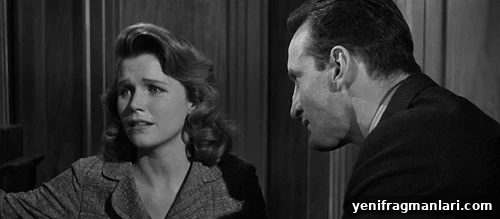
Lee Remick’s Laura is written and played with layers of nuance: flirtatious and free-spirited, yet possibly hiding deeper motives. Ben Gazzara’s Manion is volatile and sympathetic by turns. Joseph N. Welch, who takes the role of the judge, brings a real-world legal gravitas to the bench; his calm impartiality anchors proceedings and heightens the sense that the case could go in any direction. The judge’s refusal to play favorites amplifies the pressure on the lawyers and on the audience to determine the truth from competing narratives.
Visually and stylistically, Anatomy of a Murder made a lasting impact. Saul Bass’s bold, minimalist opening credits and promotional artwork helped define a modern graphic aesthetic for film advertising. The movie also broke new ground in its frank use of certain words and topics that were previously taboo in mainstream cinema, helping shift the boundaries of what legal and sex-related subject matter could be shown or discussed on screen.
Critically acclaimed from its release, the film earned seven Academy Award nominations, including Best Picture and acting nods, and has long been cited as one of the finest courtroom dramas ever made. Its blend of traditional court storytelling and modern moral complexity makes it essential viewing for fans of legal dramas and classic cinema alike. While parts of the film move at a deliberate pace, the emotional and ethical tensions it explores are rewarding: unsettling, intelligent, and thoroughly engrossing.
Score: 23/24
Rating: 5 out of 5.
Recommended reading: 5 James Stewart performances that made him a star