
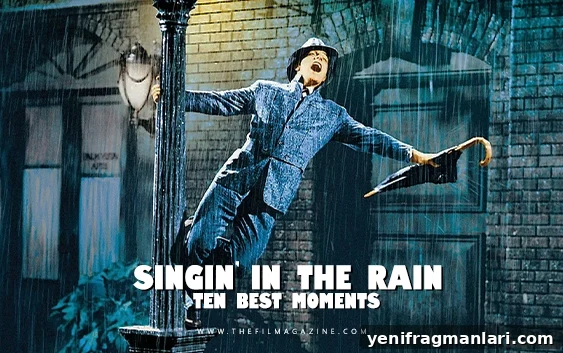
Singin’ in the Rain was warmly received when it premiered in 1952, and over the decades it has grown into one of the most celebrated musicals and films in cinema history.
Co-directed and co-choreographed by Stanley Donen and Gene Kelly, the film assembles a collection of pre-existing songs—many originally written for other movie musicals—and integrates them into a witty, affectionate portrait of Hollywood on the cusp of technological change. Long before modern jukebox musicals like Moulin Rouge! or Mamma Mia, these songs became inseparable from the film that popularized them.
The plot is straightforward: it follows movie star Don Lockwood (Gene Kelly), his co-star Lina Lamont (Jean Hagen), comic sidekick Cosmo Brown (Donald O’Connor), and aspiring actress Kathy Selden (Debbie Reynolds) as the industry shifts from silent movies to talking pictures. Yet the film is so much more than its synopsis suggests; it operates as a skilled, self-aware satire and love letter to Hollywood and the movies themselves.
Combining unforgettable musical numbers, precise choreography, broad comedy, and genuine romance, Singin’ in the Rain has earned its place as a timeless classic.
Within a movie full of iconic sequences, selecting just ten standout moments is a challenge. Below are ten of the film’s funniest, most impressive, and most memorable scenes—moments that define why this film continues to charm audiences and critics alike.
10. “Can’t a girl get a word in edgewise?”
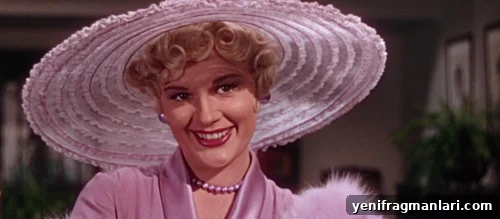
This line captures the sharp, comic contrast at the heart of Lina Lamont’s character. Jean Hagen’s Lina is physically glamorous and adored by fans, yet her voice is unexpectedly shrill and accented—an incongruity that fuels much of the film’s conflict and comedy.
Hagen’s performance is more than a single gag; her obliviousness and exaggerated ranting make Lina a uniquely funny and memorable antagonist whose flaws propel the narrative.
9. “Good Mornin’”
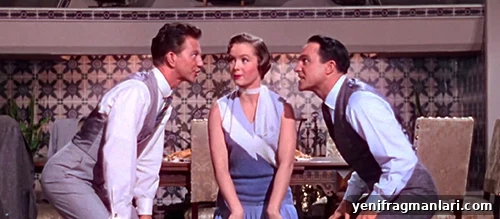
After a disastrous early screening of the studio’s first talking picture, Don, Cosmo, and Kathy decide to rework the footage into a musical. Their triumphant burst into song and dance in “Good Mornin’” celebrates the camaraderie and creative spark that drives them to save the film.
The number is upbeat and cleverly staged, and Debbie Reynolds’ commitment—she famously suffered bleeding feet filming the sequence—adds to its significance as a defining moment of devotion to performance.
8. Don Drops In
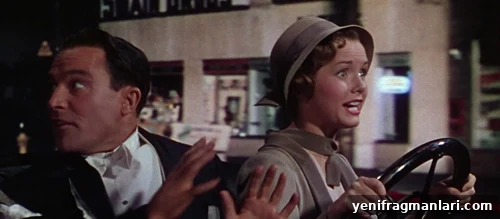
One of cinema’s great meet-cutes: Don literally falls into the passenger seat of Kathy Selden’s car. Kathy initially doesn’t recognize him and reacts with a blunt, anti-Hollywood attitude—calling out the formulaic nature of his films. Her frankness reveals her aspirations and sets up the chemistry between the leads.
This playful, self-aware exchange embodies the movie’s sharp satire of show business while also establishing the romantic tension that will carry the rest of the story.
7. Lina Lamont’s Debut
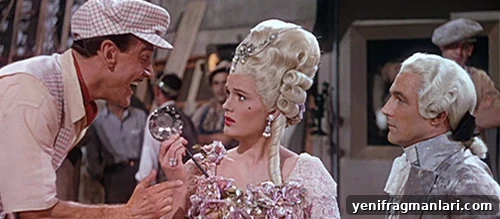
Lina’s struggles with the new demands of talking pictures lead to one of the film’s funniest physical-comedy scenes. Her over-the-top silent-film technique, combined with bad elocution and an oblivious sense of entitlement, results in chaotic rehearsals and a director pushed to his limit.
Jean Hagen may not sing or dance in the film, but her comic timing and physical expressiveness are essential to the movie’s success.
6. Screen Test
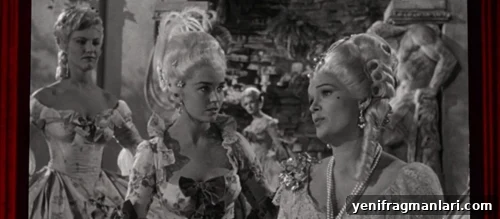
The studio screens The Duelling Cavalier as their first attempt at a talkie—and the result is a disaster. Audience laughter exposes the mismatch between silent-style acting and spoken dialogue, and Don’s theatrical mannerisms become painfully obvious. This sequence raises the stakes dramatically, forcing the creative team to confront the new realities of film and audience expectations.
It’s a crucial turning point in the story: the characters must adapt or risk being left behind.
5. Miming in the Theatre
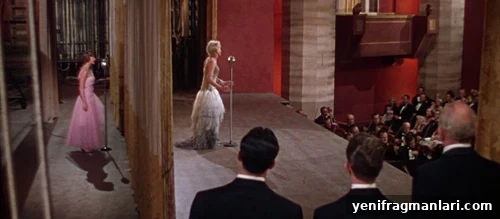
Lina’s true colors come to light when the team exposes the deception that has kept Kathy voicing Lina’s performances. In a staged reveal, Cosmo and Don pull back the curtain to show Kathy speaking into the microphone—humiliating Lina and reclaiming truth onstage. The scene resolves the film’s major conflict and delivers a satisfying public reckoning.
4. Make ’Em Laugh
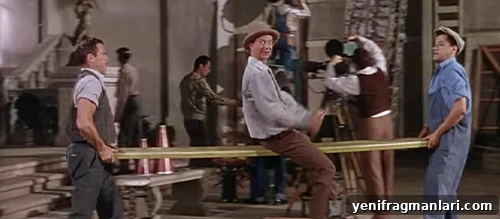
Cosmo mounts an elaborate, physical comedy routine to cheer up a despondent Don. Donald O’Connor’s manic energy and expert comic timing make “Make ’Em Laugh” a show-stealing showcase of slapstick and inventiveness, demonstrating that comedy can be as demanding—and as rewarding—as dramatic performance.
3. Elocution Lessons
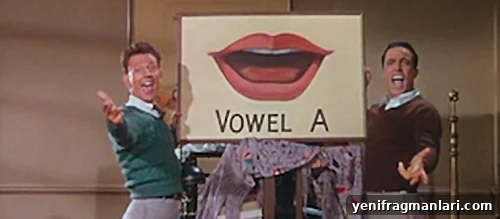
An elocution lesson intended to polish the actors’ speech quickly devolves into comedic chaos. Gene Kelly and Donald O’Connor perform a nimble, perfectly timed duet of movement and rhythm while chanting nonsensical lines. The routine blends precision choreography with playful silliness, turning what could be a throwaway gag into a beautifully staged sequence.
This is a fine example of how the film transforms the absurd into the sublime.
2. Don’s Rise to Fame
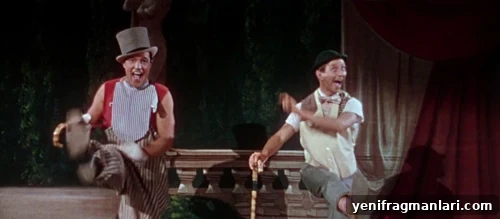
A red-carpet interview promises a dignified career story, but the film cuts away to a comic montage revealing Don’s true path from dance-hall fiddler to stuntman to movie star. The “Fit as a Fiddle” sequence is an elegant, humorous way to deliver exposition while showcasing the athletic grace of both Gene Kelly and Donald O’Connor.
It highlights the film’s recurring themes—illusion versus reality, the construction of fame, resilience, and the bond between friends—while remaining a lively, entertaining set piece.
1. “Singin’ in the Rain”
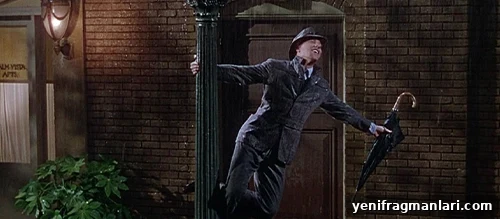
The film’s most famous moment arrives when Don, having confessed his love for Kathy, joyfully sings and dances through the rain. Gene Kelly’s exuberant performance in the puddles is one of cinema’s most enduring images—an exuberant, spontaneous-outpouring-of-feeling that balances the film’s satire with genuine emotion.
That scene’s cultural reach is vast: the song and Kelly’s choreography have been referenced, imitated, and celebrated in countless contexts. More than a stunt, it’s a declaration of joy that crystallizes the film’s heart: love, exuberance, and the transformative power of performance.
It remains a moment guaranteed to lift the spirit.
There are many more memorable sequences in this classic Hollywood comedy, each worthy of deeper analysis for its cinematography, choreography, satire, or performance. Which Singin’ in the Rain moment stands out most to you? Share your thoughts and celebrate one of cinema’s great musicals.