
The magical world of Disney has been delighting children and adults with its animated stories since the early 20th century. From fawn-eyed forest creatures to cheerful dwarfs, Walt Disney’s films are often synonymous with childhood wonder. Yet beneath the cheery songs and bright colors, there are moments of genuine darkness. Disney’s long history of adapting Grimm and other folktales means a streak of the macabre sometimes slips through — even in films aimed at young audiences.
Below we examine four Disney moments that, whether through plot or implication, can feel surprisingly bleak when you look a little closer.
Have an opinion? Let us know in the comments!
1. Simba’s Ambition and the Price of Power
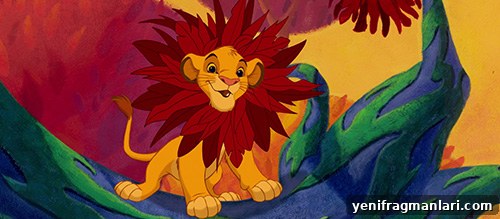
When The Lion King arrived in 1994, Simba’s journey from playful cub to king captured the hearts of millions. The film gives us Scar’s betrayal, Simba’s exile, and his triumphant return to Pride Rock. Yet the celebratory anthem “I Just Can’t Wait To Be King” takes on a harsher interpretation when you consider the realities of succession and survival among lions.
The song’s exuberant wish to be the “main event” reads, in another light, like a naïve longing for power without an understanding of its cost. In nature — and in the film’s portrayal of a pride-based hierarchy — becoming king often involves violent displacement. Scar’s calculated murder and the framing that leads Simba to flee transform what could have been a simple coming-of-age arc into a tragic chain of deception and loss. The devastating stampede that claims Mufasa’s life is not just a heartbreaking plot point: it is the horrific endpoint of Scar’s manipulation.
Viewed this way, some of the film’s most buoyant moments are unsettled by the implication that ascending to power can be bought with treachery and blood. That tension between childhood innocence and brutal survival is what makes this film both beloved and quietly disturbing.
Recommended for you: The Lion King (2019) Review
2. Elsa’s Isolation and Its Emotional Toll
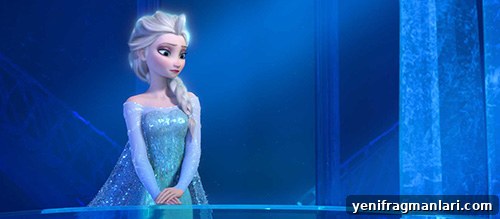
Frozen tells the story of Elsa, a princess with the frightening ability to create ice and snow. When a childhood accident injures her sister Anna, Elsa’s parents respond by hiding her away and teaching the mantra “conceal, don’t feel.” What begins as protection quickly becomes emotional isolation.
Elsa’s powers are portrayed as intrinsically tied to her emotions, so forcing her to suppress feeling becomes a dangerous strategy. Rather than learning to manage her gift, she is shamed into shutting down, left alone in a fortress of fear. The film frames Elsa’s journey as a struggle with anxiety and depression: the pressures to appear “normal” and the loneliness that results are profoundly affecting.
When Elsa finally breaks free and sings “Let It Go,” the song can be read as empowerment — but it also absorbs the pain of years of repression. The contrast between the joyful spectacle of her escape and the years of enforced isolation that led to it is what gives the scene its bittersweet, even tragic, undertone.
3. Belle, the Beast, and the Question of Consent
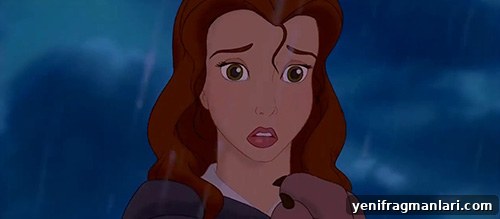
Beauty and the Beast is often celebrated for its romantic transformation, but when you strip back the musical flourishes the story raises difficult questions. Belle’s father, Maurice, is taken captive by the Beast, who offers Maurice’s freedom only if Belle agrees to stay in the castle in his place. What begins as an act of sacrifice quickly becomes a complex power dynamic.
Belle is isolated in an enchanted household where objects come alive and normal rules no longer apply. The Beast’s temper and intimidating presence create a coercive environment, and Belle’s gradual affection for him — aided by kindnesses, books, and the household’s gentle encouragement — has been read by many as a form of Stockholm syndrome. The film softens this arc with humor, music, and a redemptive ending, but the core premise remains: a captive heroine learns to trust and ultimately love the one who once held her prisoner.
That tension between captivity and consent is what makes the story linger uneasily for modern viewers, even as its fairy-tale resolution provides comfort.
4. Mulan and a Father’s Sense of Duty
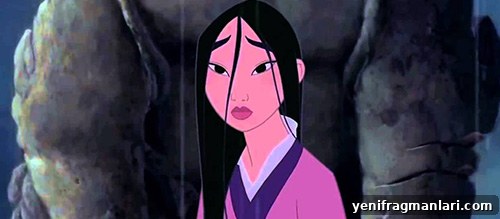
Mulan confronts a painful family dilemma when her father Fa Zhou is called to serve despite his age and past injuries. Fa Zhou insists on fulfilling his duty, and his refusal to step aside places him at great personal risk. Watching her father prepare for a battle he may not survive is deeply affecting, and it is this fear for his life that drives Mulan to disguise herself and take his place in the army.
The film explores themes of honor, filial piety, and the pressure to conform to social expectations. Fa Zhou’s decision reflects a traditional sense of what it means to be a man and a protector — a choice that could cost him everything. Mulan’s sacrifice to save him turns the story into one about courage and identity, but the emotional core remains the same: a family pushed to extreme measures by rigid ideas of duty and honor.
The presence of lighter characters and comic relief helps balance the darker stakes, but the moment when Mulan recognizes how fragile her father’s life has become is undeniably heartbreaking.
Which Disney moments challenged your childhood memories? Share your thoughts in the comments. Follow our social channels for more articles and discussions about film and storytelling.
Pages 1 2