
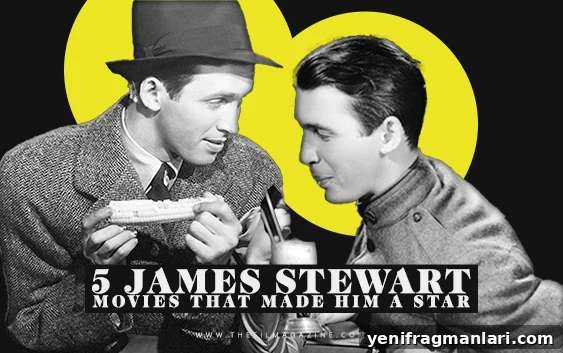
James Stewart was Hollywood’s golden boy in the studio era, a star whose charm and honesty made him instantly relatable. A subtle raise of an eyebrow could spark laughter; a quiet glance could bring an audience to tears. Across a career that spanned comedies, romances and wartime dramas, Stewart’s on-screen persona remained consistent: principled, modest, and emotionally open. In times of economic hardship and global conflict, he embodied an accessible American ideal—an everyman who stood up for what he believed in.
Stewart’s rise coincided with a transformative period in cinema. The industry moved from silent films to the talkies and embraced richer visual palettes and new genres. Audiences flocked to screwball comedies, musicals and socially aware dramas, and performers like Stewart helped define that golden age. His naturalism and emotional depth made stories feel immediate and humane, and that quality helped him become one of the era’s most beloved actors.
Early in his career Stewart found his strongest footing in two areas: romantic comedies and films that explored the moral complexities of war and politics. As a romantic lead he was often awkwardly endearing, hopelessly devoted and deeply sincere—an earnest suitor who wore his heart on his sleeve. In wartime and socially charged films, he shifted to a firmer, more resolute presence: the principled man who confronts injustice and refuses to look away. The following five films exemplify how Stewart’s talent and screen persona made him a star.
1. Vivacious Lady (1938)
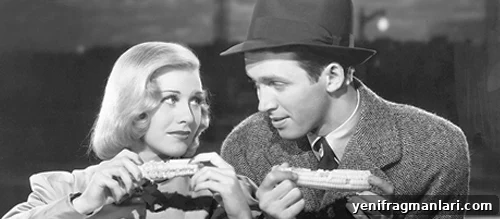
Vivacious Lady, directed by George Stevens, pairs James Stewart with Ginger Rogers in a lively screwball comedy that showcases Stewart’s comic timing and romantic vulnerability. He plays Professor Peter Morgan Jr., an earnest academic who impulsively marries nightclub singer Francey (Rogers). Their attempt to hide the marriage from Peter’s conservative family sets up a parade of misunderstandings and comic situations. Stewart balances authority with boyish infatuation, delivering the awkward charm and heartfelt sincerity that would become his hallmark.
This film helped establish Stewart’s rom-com credentials. His chemistry with Rogers—who was his romantic partner at the time—adds warmth and authenticity to their interactions. Stewart’s subtle facial expressions and gentle delivery made audiences empathize with his character’s romantic confusion, helping to define his early screen image as the tender and sincere leading man.
2. The Shopworn Angel (1938)
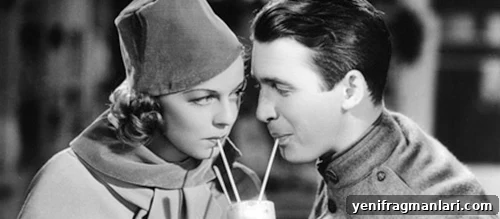
The Shopworn Angel, directed by H. C. Potter, blends romance, comedy and the looming tragedy of war. Stewart plays Bill “Texas” Pettigrew, a naïve soldier who falls for Daisy, a world-weary actress portrayed by Margaret Sullavan. Their relationship—tender, impulsive and shaded by the threat of military service—reveals Stewart’s capacity to play both innocent romantic and wounded idealist. His portrayal gives the film genuine emotional weight, transforming a simple romance into a moving portrait of longing set against uncertain times.
The pairing with Sullavan was significant: she had been a mentor and close friend to Stewart early in his career, and their rapport lent authenticity to the film’s emotional core. Stewart’s performance here helped broaden his appeal, showing that he could evoke both comic vulnerability and the melancholy that war can impose on young lovers.
3. The Shop Around the Corner (1940)
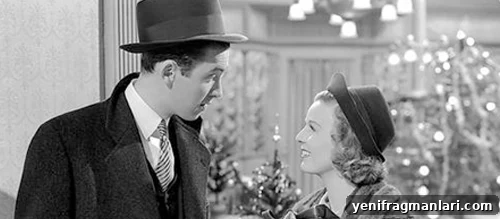
Ernst Lubitsch’s The Shop Around the Corner is a finely observed romantic comedy set in a Budapest shop. Stewart plays Alfred Kralic, a seasoned salesman who falls in love through letters with a woman he has never met—only to find that his mysterious correspondent is Klara Novak (Margaret Sullavan), a new clerk who irritates him at work. Lubitsch’s deft direction and the film’s warm, humanist tone give Stewart a platform to display nuance, restraint and deep feeling.
Shot quickly and without excess, the film became one of Stewart’s defining roles. He brings dignity and gentle comic frustration to Alfred, a man whose inner tenderness contrasts with his outward practicality. The chemistry between Stewart and Sullavan, informed by their history, elevates the film into a timeless love story and helped cement Stewart’s reputation as a leading romantic actor.
4. The Mortal Storm (1940)
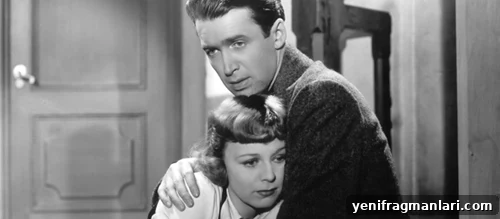
Frank Borzage’s The Mortal Storm is a politically charged drama and one of Hollywood’s early anti-Nazi films. Set in a German university town, it follows the Roth family as the rise of Nazism fractures friendships and destroys lives. Stewart plays Martin Breitner, a family friend who stands against the growing tide of intolerance. The film’s urgency and moral clarity marked it as a courageous piece of filmmaking and showcased Stewart’s ability to convey righteous anger, moral conviction and quiet bravery.
In this role Stewart traded romantic bashfulness for resolute integrity. His performance made the stakes painfully real, and the film’s impact was further underscored by the fact that it drew the ire of the Nazi regime. For American audiences, Stewart emerged here as not just a romantic ideal but also a man of conscience willing to speak out against injustice.
5. Come Live with Me (1941)
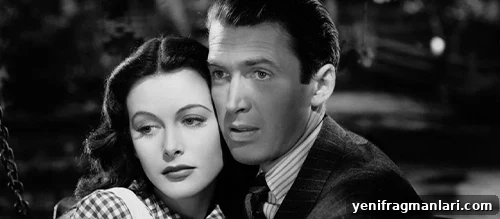
Come Live with Me, directed by Clarence Brown, is a romantic comedy with a bittersweet edge. Hedy Lamarr plays Johnny, a Viennese refugee who, to remain in the United States, enters a marriage of convenience with Bill Smith (James Stewart), a struggling writer. Stewart’s character begins as stubborn and proud but gradually reveals a tender sensitivity as genuine feelings develop. The film captures the quieter, more reflective side of Stewart’s romantic screen identity and serves as a fitting capstone to his pre-war rom-com era.
Released just before Stewart enlisted in the military, this picture represents the end of his earliest on-screen chapter. He would return from service to assume grittier, more complex parts, but Come Live with Me remains an elegant showcase of his ability to blend humor, melancholy and romantic longing.
Across these five films—Vivacious Lady, The Shopworn Angel, The Shop Around the Corner, The Mortal Storm and Come Live with Me—James Stewart demonstrated range, empathy and a singular authenticity. He could play the stammering romantic, the earnest everyman, the principled activist, and the quietly heroic soldier. Those qualities helped define not only a remarkable screen career but also a cultural ideal that resonated with audiences during turbulent times. Stewart’s legacy remains enduring: a performer whose vulnerability and moral clarity continue to move viewers, long after Hollywood’s early golden years.
Written by Bella Madge