
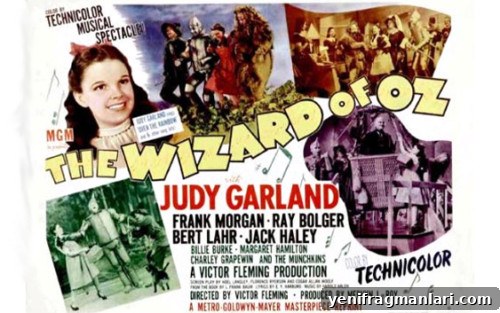
The Wizard of Oz (1939): Color, Symbolism, and Historical Resonance
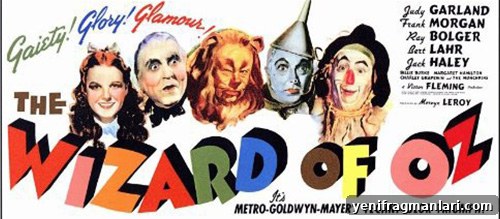
Many film fans are naturally drawn to nostalgia, and few classics embody that feeling as strongly as The Wizard of Oz. Released in 1939 and directed by Victor Fleming, the film arrived at a pivotal moment in history and helped redefine cinematic storytelling through its groundbreaking use of three-strip Technicolor. Eight decades on, the movie remains an important example of early color symbolism, a cultural touchstone for audiences then and now, and a window into the social atmosphere that shaped its reception.
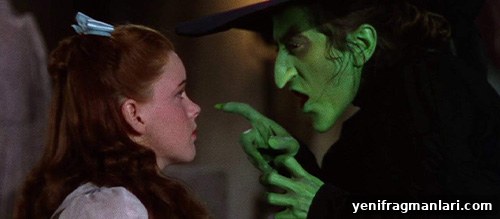
One of the film’s most striking features is its deliberate contrast between the sepia-toned opening scenes on Dorothy’s Kansas farm and the vivid palette of Oz. That jump from monochrome to lush color feels like a narrative and emotional shift: the gray, windblown Kansas suggests hardship and routine; Munchkinland and the Emerald City burst with saturated hues that represent wonder, danger and difference. Dorothy’s blue dress, the Munchkins’ bright costumes, and the Wicked Witch’s green skin all use color to signal character and mood, guiding audience perception without extra exposition.
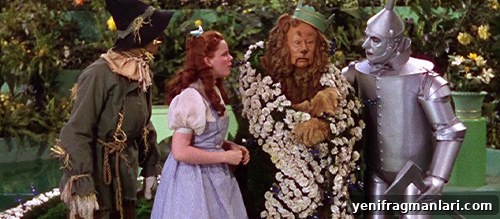
Color in The Wizard of Oz does more than dazzle. It carries symbolic weight. The Emerald City’s pervasive green suggests wealth, authority and artifice; Baum’s original novel already hinted at critique of social attitudes by portraying the city’s inhabitants as ostentatious and self-important. In the film, Dorothy and her companions are visibly distinct from the citizens of the Emerald City. They are polished, gussied up and shepherded into a conforming presentation, which echoes broader tensions between social classes—an idea reinforced subtly through costume, song and staging. Even the cheerful lyrics of “Merry Old Land of Oz” contain lines about keeping up appearances, hinting at an undercurrent of exclusivity beneath the pageantry.
The Munchkinland sequence also raises questions. Its exaggerated styles and mannerisms read differently across time: originally presented as whimsical and playful, some aspects can now be interpreted as caricature. The film reflects the sensibilities of its era, and modern viewers may notice how differences in height, voice and appearance were staged for comic effect. Observing these moments critically helps illuminate how cinema has both mirrored and shaped social attitudes, including stereotypes and the hierarchy of visual types.
Beyond color and class, The Wizard of Oz resonated with audiences because it articulated enduring human values—courage, intelligence, love and hope—in a deceptively simple tale. Dorothy’s central line, “There’s no place like home,” captures a universal longing for safety and belonging, which likely helped the film connect with wartime viewers. Released in the months leading up to the Second World War, the picture offered an escapist fantasy that also reassured audiences that ordinary people could summon extraordinary strengths when circumstances demanded it.
The characters Dorothy meets on her journey serve as archetypes who discover their own worth. The Scarecrow learns that intelligence can be practical and compassionate, the Tin Man discovers emotional depth and capacity for love, and the Cowardly Lion realizes bravery is not the absence of fear but the choice to act despite it. Their transformations are less about literal gifts from a wizard and more about self-realization: the film suggests that the qualities people seek are often already present, waiting to be recognized and trusted.
At the time of its release, Technicolor itself felt like a metaphor for possibility. The studio investment in a complex and expensive color process paid off artistically and culturally: color here is not mere decoration but an active component of storytelling. Filmmakers used the palette to draw contrasts, define social textures and frame moral distinctions, laying groundwork for how color could operate as narrative shorthand in cinema.
Viewed today, The Wizard of Oz can be appreciated on several levels: as a technical milestone, a family classic, and a film shaped by its historical moment. It offered comfort and imagination to audiences facing uncertainty, and it continues to invite interpretation about class, identity and the power of visual storytelling. While some details of its presentation reflect the cultural blind spots of the era in which it was made, the movie’s core message—that courage, heart and common sense matter, and that home has unique value—remains resonant.
Ultimately, The Wizard of Oz endures because it blends spectacle with a simple moral through inventive filmmaking. Its legacy is not only that it transported viewers to a brighter, stranger world on-screen, but that it demonstrated how color, music and character work together to shape emotional and social meaning in film. Eighty years later, it still invites audiences to look beneath the glitter and ask what the colors and characters tell us about ourselves and the times in which the movie was made.