
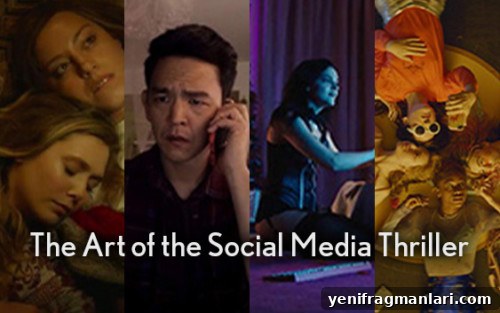
Technological anxiety has long inspired memorable cinema. As inventions reshape daily life, filmmakers have repeatedly explored the darker side of progress: artificial intelligence turning against us in Terminator, body modification dehumanising people in Tetsuo, or new forms of entertainment wreaking mysterious havoc in Ring. Recently, those fears have migrated into a distinct subgenre: the social media thriller. These films use the ubiquity of online platforms to update classic paranoia, examining how connectivity, curation and surveillance change relationships, identity and safety.
By centring drama on the dominant distraction of our age—social networks, live streaming and data leaks—filmmakers refresh familiar tropes while making their stories immediately relevant to a modern audience. Below are four standout movies from this trend: contemporary thrillers that use social media not just as a backdrop but as the engine of suspense, identity crises and social collapse.
1. Ingrid Goes West (2017)

Ingrid Goes West turns Instagram obsession into a darkly comic character study. Aubrey Plaza plays Ingrid, a grieving woman with untreated mental-health struggles who becomes fixated on an Instagram influencer (Elizabeth Olsen). She constructs a glossy online persona of her own, then travels across the country to insert herself into the influencer’s life, blurring the boundary between curated image and real human connection.
The film treats Ingrid as both tragic and understandable: when social media offers performative intimacy and carefully edited lives, an isolated person can mistake that veneer for a path to belonging. Ingrid’s addiction to the platform and the persona she crafts ultimately erode her real-life relationships until she hits a breaking point. The narrative underscores how online validation can substitute for healthy coping, and how edited exchanges—texts composed, deleted and retyped—replace spontaneous, vulnerable conversation.
In the end, Ingrid’s journey is not merely a cautionary tale about celebrity worship; it’s about the dangers of letting a screen define you. The film suggests recovery begins once she puts the phone down and reconnects with support beyond the feed.
2. Searching (2018)

Searching revives the mystery thriller by telling the entire story through screens: laptops, phones, video calls and social profiles. John Cho plays a father whose teenage daughter (Michelle La) disappears. Frustrated with the pace of the official investigation, he uses every digital tool available—search histories, social media accounts and cloud archives—to piece together her life and track her down.
This film is notable for showing technology as both rescue and barrier. Screens become investigative instruments that preserve memories and reveal clues, allowing a parent to reconstruct a life that’s partially hidden online. Yet those same platforms also masked the family’s grief: the father and daughter drifted apart partly because they expressed themselves through edited messages rather than honest face-to-face conversations. Searching asks whether digitally mediated lives bring us closer or further apart, and whether screens help us remember or prevent us from truly connecting.
Recommended: The Era of Nostalgia in Cinema – Why Are We Watching So Many Remakes?
Watching Searching on a handheld device adds an extra layer: you’re watching a film about screens while holding one, a meta-commentary on how modern stories are experienced and disseminated.
3. Cam (2018)

Cam offers an unnerving take on identity theft in the era of live-streaming. Madeline Brewer plays Alice, an adult cam performer who builds an online persona—Lola—that she nurtures and monetises. When an identical account appears and begins hijacking her audience, Alice faces a digital doppelgänger that takes everything she’s built away from her.
The film portrays technology as corrosive and seductive. Rather than demonise the models or their audiences, Cam treats everyone involved as victims of a system that encourages self-branding and commodification. Fans and performers alike are trapped in a feedback loop fueled by platform mechanics and anonymity. The most chilling sequence is when Alice is locked out of her account and loses access to her livelihood and community; it captures the modern horror of having a constructed life disappear with a password reset.
Cam reframes classic questions about identity and ownership: who owns an online self, and what happens when your curated persona is stolen or replaced? The film’s strength lies in making the psychological stakes of digital exposure feel immediate and profound.
4. Assassination Nation (2018)
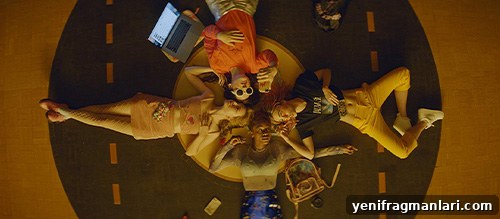
Assassination Nation imagines a small town thrown into chaos after a massive data leak exposes its residents’ most private secrets. The film follows four tech-savvy young women—Lily, Em, Sarah and Bex—who become scapegoats once the leaked information surfaces. What begins as a crime-of-privacy story escalates into a brutal, anarchic backlash driven by mob mentality and online outrage.
This movie is a harsh reflection on how quickly social media can weaponise personal data. In a landscape where so much gets shared—often without full consent or foresight—one breach can trigger irreversible damage. Assassination Nation refuses to offer neat catharsis; instead it delivers a disturbing portrait of vigilante justice fuelled by gossip, shame and the false moral certainty that social platforms can amplify.
By dramatizing the consequences of a town-wide hack, the film probes generational tensions and the terrifying power of aggregated data in the wrong hands. It’s a reminder that digital exposure can become the raw material for real-world violence and social collapse.
Taken together, these films show how social media can be a source of thrill and dread. Whether used as a tool for investigation, a mirror for identity, or a weapon that destroys reputations, technology reshapes human relationships in ways that are ripe for cinematic exploration. The social media thriller forces us to ask: how much of ourselves are we willing to put online, and what do we lose when our curated lives collide with reality?