

Mark Herman is one of the defining screenwriter-directors of 1990s British cinema. Best known for Brassed Off (1996) and Little Voice (1998), Herman produced films that resonated with critics and audiences alike; his later work on The Boy in the Striped Pyjamas (2008) achieved international recognition. Born in Yorkshire and first noticed as a student Oscar winner for a short film, Herman has collaborated with actors such as Colin Firth, Ewan McGregor and Michael Caine across six feature films. His work has earned nominations for BAFTAs and an Academy Award, and has even won a César.
Herman’s films consistently explore class, poverty and the effects of capitalism, while balancing heartbreak with humour. His characters walk through difficult circumstances, yet the director often finds warmth and wit in those situations. This combination of social critique and tender comedy defines much of Herman’s filmography and contributes to the emotional power of his best work.
In this ranked overview we examine Herman’s six feature films, comparing them for artistic merit, cultural impact and lasting appeal. The aim is to identify which films stand out and which are less successful, while reflecting on the recurring themes and strengths that characterize Herman’s career.
If you have an opinion you’d like to share, please leave a comment below. And don’t forget to follow us on social media for updates.
6. Hope Springs (2003)

Hope Springs is an uncharacteristic misstep in Mark Herman’s catalogue. Starring Colin Firth as a heartbroken British man who travels to a small American town called Hope Springs seeking renewal, the film suffers from tonal inconsistency. Firth’s performance leans heavily into drama and melancholy, while the American characters and much of the screenplay attempt a lighter, more comic approach. That contrast often feels awkward rather than complementary.
The screenplay starts and stops several narrative threads without delivering a convincing central argument. There are opportunities—such as contrasting British pessimism with American optimism or using the protagonist’s work as a portrait artist to examine capitalism—that the film hints at but never fully explores. Instead of a coherent romantic comedy or a thoughtful cross-cultural study, Hope Springs settles into a disjointed middle ground. For many viewers it remains Herman’s weakest film: talented work that never quite comes together.
5. Blame It On the Bellboy (1992)
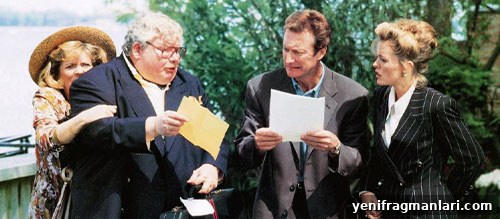
Blame It On the Bellboy, Herman’s early studio debut, feels like an uneven attempt at broad comedy. The film features a roster of British performers but relies on physical slapstick and a farcical script that often feels dated. While there are moments of charm, the humour is frequently forced and the plot lacks the emotional depth that would later define Herman’s best films.
Viewed today, the film is a curiosity in Herman’s career: it demonstrates an eagerness to reach mainstream audiences but lacks the specificity and social insight that would become his strength. Fortunately, the experience appears to have helped shape his subsequent return to more personal, regionally rooted storytelling.
4. Purely Belter (2000)
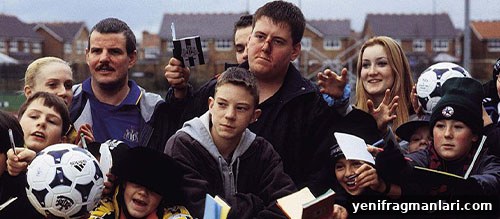
Purely Belter is Herman’s northern, football-infused kitchen-sink drama. Set on Tyneside and led by untrained young actors Chris Beattie and Greg McLane, the film blends comedy with a clear-eyed depiction of poverty and limited opportunity. Its tone recalls both the warmth of mainstream crowd-pleasers and the raw honesty of social realist cinema.
At times genuinely funny and often deeply empathetic, Purely Belter celebrates working-class culture while critiquing the systemic forces that marginalize communities. With energetic local detail—including a cameo from Newcastle striker Alan Shearer at the time—the film remains an accessible and heartfelt entry in Herman’s body of work, showcasing his ability to find humanity in overlooked places.
3. The Boy in the Striped Pyjamas (2008)

Review: The Boy in the Striped Pyjamas
The Boy in the Striped Pyjamas is Herman’s most widely known and taught film. Adapted from John Boyne’s novel, the 2008 drama uses a child’s perspective to confront themes of prejudice, indoctrination and human empathy during World War II. Its straightforward narrative and emotional clarity make it an accessible entry point for younger audiences while delivering a devastating finale that lingers.
Herman’s greatest accomplishment in this film is the way it cultivates empathy. By focusing on the simple bonds that form between children, the film emphasizes how natural compassion is—and how perverse it is when hatred and division are taught and institutionalized. The Boy in the Striped Pyjamas remains a powerful and widely discussed work in Herman’s filmography.
2. Little Voice (1998)

Review: Little Voice
Little Voice is one of Herman’s most subtly powerful films. Jane Horrocks delivers a transformative performance as a painfully shy young woman who expresses herself by imitating famous singers. The film explores the hazards of chasing fame and the fragile dreams that fuel such pursuits, balancing tender humour with darker reflections on exploitation and aspiration.
Brenda Blethyn gives one of the era’s standout supporting performances as Little Voice’s complex mother, and Michael Caine turns in a memorable role during a period of his career when he embraced riskier, character-driven parts. Little Voice offers a compassionate, sharply observed look at ambition and class, all rooted in the North of England’s specific culture. It remains an underrated but essential Herman picture.
1. Brassed Off (1996)
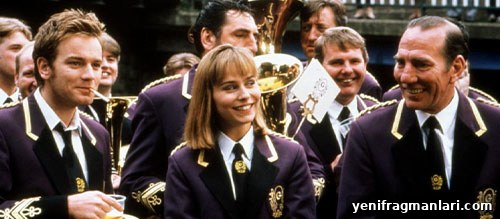
Review: Brassed Off
Brassed Off stands as Mark Herman’s crowning achievement and a landmark of British cinema. Returning to his Yorkshire roots, Herman crafted a film about a mining town threatened by colliery closures and the way a community clings to identity through its brass band. The late Pete Postlethwaite gives a deeply felt performance in a film that blends humour and tragedy with remarkable grace.
What makes Brassed Off enduring is its capacity for empathy. Herman transforms the plight of a small group of ordinary people into a story of national resonance. The film reframes the familiar underdog template—turning a band’s push for success into a poignant critique of economic policy and loss—while remaining accessible and emotionally true. Brassed Off is the most complete, memorable and culturally significant work of Herman’s career.
Mark Herman has not released a feature in over a decade, and his body of work continues to invite discussion. How would you order these films? Share your thoughts in the comments below and follow updates on our social channels.