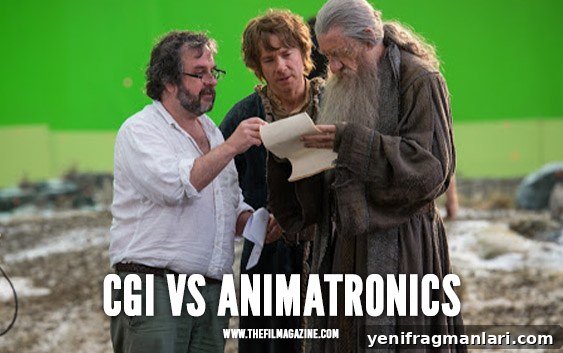
CGI vs Animatronics: When Practical Effects Still Matter
CGI is most effective when you don’t notice it. Like invisible seams on a garment, visual effects can hold a film together without calling attention to themselves. Whether it’s touching up a set, filling out a crowd, or changing an actor’s eye colour, computer graphics let filmmakers shift fiddly details into post-production. That can be cheaper and less stressful than trying to achieve everything live on set; in theory, it helps directors concentrate on the performances and moments they want to get right in-camera. And when things go wrong on the day, CGI can sometimes save a scene.
Yet a committed school of filmmakers and fans remain loyal to animatronics. Before digital effects dominated, lifelike robots, models and puppets were the go-to way to create monsters and physical phenomena. Many of cinema’s most iconic creatures were built from complex, costly mechanisms, and a surprising number still captivate audiences today.
Of course neither approach is perfect for every situation, and a fair comparison requires looking at cases where both can succeed—or fail. The most scrutinised elements in any film are often the ones we know aren’t real: blood, gore and monstrous creatures. These are the places where the limits of both practical and digital techniques become most visible.
Peter Jackson: From Practical Gore to Digital Spectacle
Peter Jackson’s early work provides a strong case study. Many fans consider his early splatstick films to be CGI casualties because those movies famously relied on models, puppets, stop-motion and animatronics. The result was comic-book gore with palpable physicality. Stop-motion and puppetry sometimes feel charming but unconvincing; animatronics, however, often hold up remarkably well. In Braindead (1992), for example, a scene in which a man’s facial skin is torn away cuts to an expertly crafted model. The lighting and shadows read as real because the object casting them was real, and the stage blood gleams in a convincing way because it was tangible.
Jackson’s later embrace of computer effects has disappointed some fans. Actors and collaborators have observed that subtle elements that shone in the first instalment of a franchise can be lost as production scales up and digital tools become the default. That shift can alter the tone of a director’s work—moving from intimate, tactile filmmaking toward large-scale, effects-driven storytelling.
When Digital Overreach Harms a Monster
Some directors have mixed practical and digital solutions with greater success than others. Ridley Scott’s original Alien (1979) is a landmark example of animatronics done superbly: the xenomorph, designed by H.R. Giger, used sophisticated mechanical components and real models to achieve a lurid physical presence that still reads well today. Yet even in that film there are moments—such as the baby xenomorph during the chest-bursting sequence—where the model’s limitations are exposed and it looks awkward.
Scott’s later films demonstrate a hybrid approach. Alien: Covenant (2017) used animatronic elements alongside CGI, but some sequences reveal what happens when digital tools are allowed to overstay their welcome. Extended, fully digital shots of a small, squirming creature can undermine tension, turning shock into spectacle. The availability of CGI can encourage filmmakers to stage prolonged monster reveals that practical constraints might otherwise have restrained, and those choices can damage immersion.
The Thing: Two Films, Two Approaches
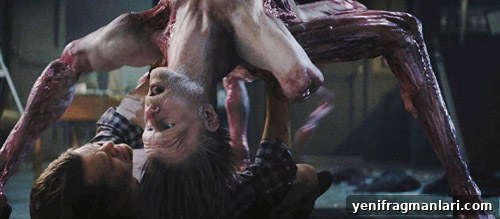
John Carpenter’s The Thing (1982) is another exemplar of practical-effect horror. Its animatronics and prosthetics are grotesque, tactile and unforgettable—the crawling severed head and other bodily transformations are simultaneously repulsive and mesmerising. Because the models were real, their textures and movements created a strong presence that supported the film’s atmosphere and the actors’ reactions.
By contrast, the 2011 prequel leans heavily on digital effects. Early scenes that would have been more suspenseful if staged more subtly become overwhelmingly spectacular in CGI, and the analogue tension of slow reveals is replaced by rapid, showy motion. Some of the film’s animatronics were reportedly abandoned in favour of digital replacements, and the result is a movie that rarely reaches the unsettling heights of the original.
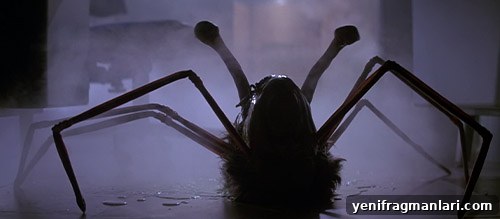
The Thing (1982)
When Practical Effects Still Shine
Not all modern directors have abandoned practical techniques. Filmmakers who aim to recapture the tangibility of earlier films sometimes mix real models with digital touches to get the best of both worlds. J.J. Abrams, for instance, made a conscious decision to use physical droids and ships alongside CGI to evoke the original Star Wars films’ texture. That blend helped create a sense of continuity with the past while still allowing modern scope and polish.
Recommended reading: Designing Nightmares – H.R. Giger and Alien
Context and Perspective
It’s important to temper the knee-jerk dismissal of CGI and the romanticisation of practical effects. Poor digital work has existed since CGI’s earliest days, just as low-budget practical effects have always been prone to failure. Classic films are often remembered fondly in part because of nostalgia and the passage of time, which can lend charm to once-crude techniques.
Moreover, CGI frequently plays a supporting role to animatronics—cleaning up shots, enhancing movement, or completing details that mechanical rigs could not achieve. In many modern productions, digital tools enable filmmakers to realise ambitious sequences that would have been impractical or impossible with models alone. Cinema today is often larger in scope, and that scale is sometimes a creative choice encouraged by the possibilities of digital effects.
Balance, Not Replacement
Ultimately, CGI is likely to remain the default choice for many filmmakers because it is flexible, increasingly powerful, and easier to revise in post-production. Animatronics have a devoted following and continue to deliver unforgettable results when deployed with skill, passion and the necessary budget. The healthiest approach is pragmatic: use practical effects when their tactile presence strengthens a scene, and rely on CGI where it genuinely adds something that cannot be achieved otherwise.
Most importantly, special effects—digital or mechanical—should serve the story rather than dominate it. When directors respect the limits and advantages of each tool, they can combine them to create films that feel both believable and alive.
Written by Louis B Scheuer
You can support Louis B Scheuer in the following places:
Twitter – @louisbscheuer
Instagram – @louisbscheuer
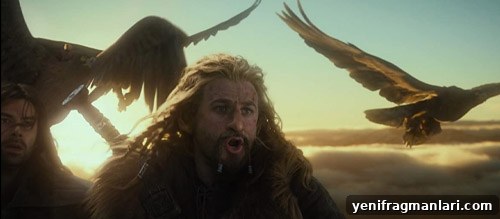
The Hobbit (2012)