
I love Star Wars (1977). A recent rewatch reminded me why it still stands as one of the most enduring and influential films in cinema. Its balance of mythic simplicity and emotional depth makes it endlessly rewatchable, while its technical achievements continue to inspire filmmakers. The characters, the story, and the dialogue have become cultural touchstones. If you’re reading this, you probably already know and love Star Wars.
Below are what I consider the most profound scenes in perhaps the most influential science-fiction film of the modern era.
Honorable Mention: The Destruction of Alderaan
Grand Moff Tarkin’s role in the Galactic Empire establishes a chilling combination of bureaucratic authority and cold brutality. The scene in which the Death Star annihilates Alderaan is one of the film’s most harrowing moments. Tarkin brings Princess Leia before the station’s demonstration and, despite her protestations, orders the planet destroyed. Alderaan’s destruction instantly shows the scale and cruelty of the Empire and raises the stakes for the Rebels.
The scene reshapes the film’s emotional landscape. We had already seen personal losses—Uncle Owen and Aunt Beru, for example—but nothing conveys the Empire’s reach and ruthlessness like the obliteration of an entire world. It’s a narrative pivot that turns the conflict from a series of skirmishes into an existential threat to the galaxy.
5. Mos Eisley Spaceport
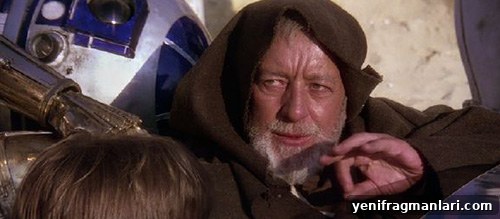
The Mos Eisley sequence is profound for two main reasons: it marks Luke’s first clear introduction to the Force’s influence, and it encapsulates why many fans felt uneasy about later changes to the original film. Luke, Obi-Wan (Ben), and the droids descend into a seedy, crowded spaceport and encounter Imperial forces. When a Stormtrooper demands identification, Obi-Wan uses the Jedi Mind Trick—“These aren’t the droids you’re looking for”—to smooth their exit. That subtle demonstration of the Force establishes its power over the weak-minded and plants a seed for how mystical abilities will shape events throughout the saga.
While this scene offers a crucial early lesson in the Force, it has also been subject to frustrating alterations in later releases that introduced conspicuous CGI creatures into wide shots. Those additions distract from the original gritty charm; the strength of the scene lies in its atmosphere and the quiet authority of Obi-Wan, not digital set dressing.
4. Han Shot First
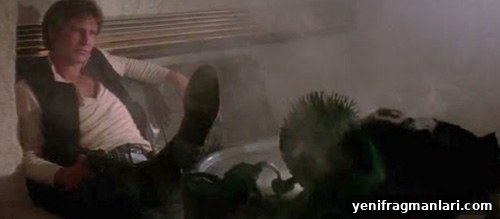
The cantina confrontation with Greedo remains one of the most debated moments in movie history. Originally, Han Solo fires preemptively and kills Greedo; that choice established Han as a morally ambiguous, hardened smuggler—willing to do whatever it takes to survive. Later edits altered the action so that Greedo appears to shoot first and miss, changing the perceived motivation behind Han’s shot.
Why does this matter? The original version reinforces Han’s early moral code: he is pragmatic and cold when necessary. His eventual transformation into a hero becomes more meaningful because it arises from someone who chose to survive by ruthless calculation. Altering that initial choice softens a core element of his character arc. For many fans, the original “Han shot first” moment is essential to the power of his redemption.
3. Intelligence Squared: The Force vs. the Death Star
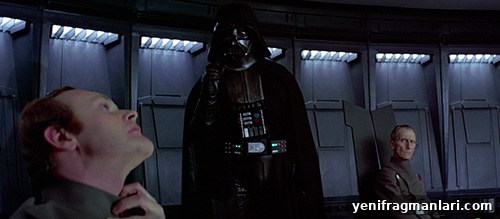
“Hokey religions and ancient weapons are no match for a good blaster at your side, kid,” Han tells Luke, summarizing the film’s recurring tension between technology and mysticism. The debate comes to life in the Imperial briefing scene where Admiral Motti boasts of the Death Star’s absolute power, only to provoke Darth Vader into a demonstration of the Force: Vader remotely chokes Motti for his arrogance.
This scene accomplishes several things at once: it reveals the contempt much of the Imperial hierarchy holds for the Force, it establishes Vader’s ability to enforce his will, and it dramatizes that the Force is not merely superstition but a decisive, devastating power. The sequence frames the larger conflict of the movie—the limits of machines versus the reach of a deeper, spiritual discipline—and sets up the film’s ultimate confrontation.
2. Luke’s Trench Run
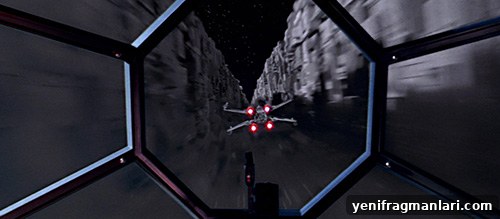
The climactic trench run on the Death Star is cinema at its most thrilling and emotionally resonant. We ride in the cockpits with the Rebel pilots, feeling their fear and determination as the attack unfolds. As allies fall and systems fail, Luke must choose between trusting technology and trusting the Force. Obi-Wan’s voice—“Use the Force, Luke”—shifts the moment from a technical challenge to a moral and spiritual test.
Luke’s final shot, made without the targeting computer, is both the story’s payoff and a symbolic victory for faith over calculations. The destruction of the Death Star is not just a spectacular visual triumph; it confirms the Rebel cause, marks Luke’s emergence as a leader, and underscores the film’s core theme: belief, courage, and connection are more powerful than even the Empire’s most terrifying weapon.
1. Obi-Wan’s Dwelling
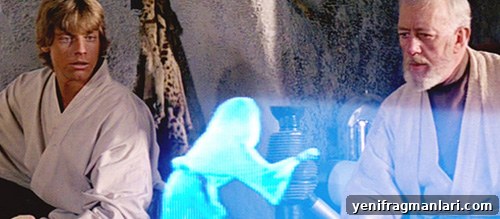
The scene at Obi-Wan’s home is the film’s narrative and emotional hub. After Luke is rescued and brought to Ben Kenobi, Obi-Wan fills him in on a sprawling backstory: the Jedi, the Clone Wars, Luke’s father’s past, and the rise of Darth Vader. Obi-Wan gives Luke his father’s lightsaber, calling it “an elegant weapon from a more civilized age,” and explains the Force as an energy field that binds all living things.
Obi-Wan also plays Princess Leia’s full message for Luke, igniting the mission that propels the entire film. This moment is dense with exposition, yes, but it does far more than deliver facts: it frames Luke’s destiny, reveals the emotional stakes of the Rebel cause, and provides the moral and mythic context that turns a desert farm boy into a hero-in-the-making. Without this scene, the movie would lack its historical weight and the clear emotional impetus that drives Luke, Obi-Wan, and the Rebellion onward.
These scenes—Alderaan’s destruction, Mos Eisley’s mind trick, the cantina standoff, Vader’s display of power, Luke’s trench run, and Obi-Wan’s dwelling—are the moments that make Star Wars (1977) not only entertaining but profound: they blend character, myth, and spectacle to explore courage, sacrifice, and the battle between technology and spirit.