This article was written exclusively for The Film Magazine by Sophie Cook.
Fractured (2018)
Director: Jamie Patterson
Screenwriters: Jamie Patterson, Christian Hearn
Starring: April Pearson, Karl Davies, Louise Lytton, Jordan Metcalfe
Ideal viewing for fans of British independent horror, Jamie Patterson’s Fractured (2018) delivers a compact, unsettling experience that leans into familiar genre tropes while reshaping them through a distinctly intimate lens. Patterson, who previously made a mark with films such as Tucked and Caught, teams with co-writer Christian Hearn to craft a story that balances psychological unease, atmospheric dread, and moments of startling physical horror. Anchored by strong central performances from April Pearson and Karl Davies, the film uses a modest setting and focused storytelling to maximum effect.
The premise is spare and classic: Rebecca and Michael, a young couple in need of a break, retreat to an isolated countryside cottage. What begins as a seemingly ordinary escape soon becomes a study in paranoia. From early car troubles to escalating tensions, the couple’s romantic holiday devolves into something much darker as Rebecca increasingly senses that they are being watched. The screenplay unfolds in two distinct parts, gradually revealing more about the characters’ history and widening the scope of the threat they face. New arrivals—Alva (Louisa Lytton) and Freyr (Jordan Metcalfe)—shift the power dynamics and push the narrative toward more terrifying territory in the film’s second half.
Structure plays a key role here. The deliberate division into two halves generates a “fractured” viewing experience that mirrors the film’s title: the first section relies on suggestion, withholding detail to build tension, while the second confronts the audience with clearer, more shocking revelations. This pacing keeps viewers off balance, alternating between claustrophobic unease and sudden, visceral jolts. For an indie production, the way the script paces its scares and character beats is confident and economical.
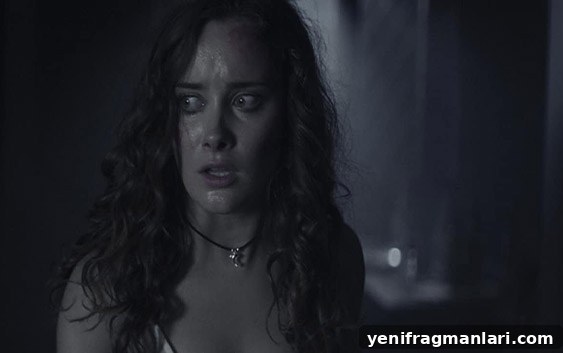
Patterson’s directorial choices emphasize observation and voyeurism. Camera placement frequently feels like the eye of a distant witness—peeked-through windows, off-kilter angles, and moments of restricted framing suggest constant surveillance. The cinematography favors odd perspectives, frequent close-ups, and handheld movement to heighten urgency. These visual decisions, combined with carefully chosen locations—fog-shrouded lanes, dimly lit interiors, and the eerily ordinary holiday cottage—create a tangible sense of entrapment that is more psychological than overtly supernatural.
The film knowingly employs classic horror devices: the establishing shot of the cottage, handheld tracking that recalls found-footage immediacy, and abrupt close-ups that amplify actors’ expressions. References to genre touchstones—think Stanley Kubrick’s use of space in The Shining or the raw immediacy of The Blair Witch Project—are present more as inspiration than imitation. Patterson borrows the language of horror while keeping the film rooted in character and mood rather than spectacle.
Performances are a major strength. April Pearson and Karl Davies create a believable, lived-in relationship that slowly peels back as the story intensifies. Their chemistry feels effortless, giving weight to the more dramatic beats when the screenplay opens up. Both actors handle tonal shifts well, moving from tender moments to rising panic with credibility. Louisa Lytton brings a disruptive energy as Alva, seizing key scenes with a performance that enhances the film’s darker turns. Jordan Metcalfe’s contributions round out the supporting cast, helping to expand the world beyond the central couple without diluting the focus.
Technically, the film benefits from tight editing and effective use of sound design. Silence and ambient noise are deployed as tools of suspense, and the editing rhythm sustains tension by juxtaposing quiet unease with abrupt, shocking moments. Practical production choices—limited locations, focused shot design, and restrained visual effects—underscore what indie horror does best: turning constraints into creative advantage.
Overall, Fractured is a compelling example of modern British indie horror. It’s atmospheric, occasionally gory, and consistently unsettling, trading big-budget frights for psychological penetration and intimate dread. For viewers seeking a seasonal scare that favors mood and performance over jump-scare excess, Patterson’s film is an excellent choice. It’s a tightly realized, memorable entry in the indie horror catalog that rewards patience and attention.
17/24