
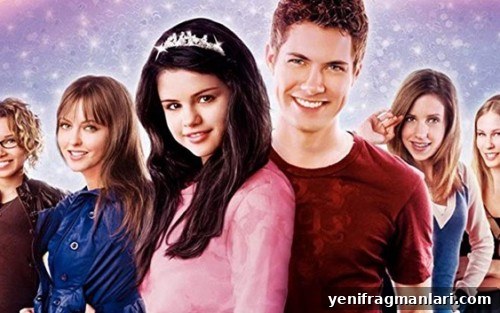
Another Cinderella Story (2008)
Director: Damon Santostefano
Screenwriter: Eric Patterson, Jessica Scott
Starring: Selena Gomez, Drew Seeley, Jane Lynch
Review: A Modern, Musical Take on Cinderella That Plays It Safe
Another Cinderella Story attempts to retell the classic Cinderella folktale for a teen audience by wrapping it in pop music, high school melodrama and dance sequences. As a direct-to-DVD follow-up to the 2004 film, it leans heavily on the tropes that made its predecessor recognizable: a hidden identity, a masked ball-like performance, and a pop-star prince who must find the mystery girl. Where it struggles is in finding fresh emotional stakes or giving its central characters the depth needed to make that familiar structure feel meaningful.
Plot and Pacing
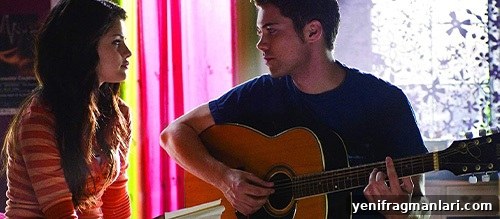
The film follows Mary Santiago (Selena Gomez), an abused or neglected daughter figure who doubles as a household worker for an aging singer. Opposite her is Joey Parker (Drew Seeley), a returning pop star and high-school senior whose life revolves around music and fame. The story hits the predictable beats of Cinderella: invitation, disguise, a one-night encounter that sparks obsession, then a search to identify the mystery dancer. Unfortunately, the film’s pacing undercuts much of the drama. Key developments—the ball-like dance, the rapid romantic progression, and the montage of domestic transformation—happen early and in quick succession, leaving little room for tension to build. The result is a movie that often feels rushed where it should linger and flat where it should grow.
Characters and Performances
Mary is written as a palatable, projection-ready lead rather than a fully formed person with clear agency. Her goals—especially wanting to be accepted into dance school—are stated but not actively pursued on-screen, which reduces the emotional payoff when those goals are eventually achieved. Joey, the film’s male lead, is shaped largely by his celebrity and performance skills. He can sing and dance, and the plot uses that talent as his primary appeal, but the writing provides few nuances beyond his search for the girl from the dance. That imbalance reflects a wider rom-com pattern where male desire and public spectacle overshadow the heroine’s inner journey.
Jane Lynch, by contrast, is a highlight. She embraces the mean, vain stepmother-type role with confidence, playing a washed-up pop star driven by ego and opportunism. Lynch delivers her lines with a timing and relish that elevate otherwise thin material; her presence adds a layer of comic bite and theatricality that the script itself rarely supplies.
Music, Choreography and Production
As a music-driven teen film, Another Cinderella Story relies on choreography and pop performances to carry energy. The production values are serviceable for a direct-to-DVD release: the sets, costumes and performance sequences are slick enough for fans of mid-2000s teen pop culture. Choreography energizes certain scenes, even if the film opts for convenient plot mechanics—such as a male lead pushing the heroine onto stage—instead of letting her overcome obstacles through her own initiative. Technically competent but creatively cautious, the movie captures the surface thrill of music-and-dance entertainment without committing to a stronger emotional or character arc.
Themes and Audience
The film is clearly aimed at a young audience that enjoys music, fashion and romantic fantasy. It trades on nostalgia for Disney-era pop aesthetics and the familiar comfort of Cinderella’s storyline. For viewers seeking innovation or a more modernized take on female empowerment, the film is likely to disappoint. For those who want a lightweight, music-filled retelling—with catchy outfits, choreographed numbers and an easy-to-follow romantic plot—it delivers the expected beats.
Final Verdict
Another Cinderella Story is technically competent and occasionally enjoyable thanks to performances like Jane Lynch’s, but it remains derivative and emotionally thin. It lacks the narrative ambition to transform a well-worn fairy tale into something resonant for contemporary teens, instead opting for the comfortable formulas of teen pop movies. As background entertainment or a nostalgic watch with friends, it can be fun; as a meaningful retelling or a character-driven rom-com, it falls short.
5/24