The Exorcist (1973)
Director: William Friedkin
Screenwriter: William Peter Blatty
Starring: Ellen Burstyn, Max von Sydow, Linda Blair, Jason Miller, Lee J. Cobb, William O’Malley, Kitty Winn
Nearly fifty years after its release, The Exorcist still stands as one of the most discussed and unsettling horror films ever made. Its reputation is sustained by real-world anecdotes, controversies from production, and the film’s persistent ability to disturb viewers. Reports of fainting audiences, lingering nightmares, and stories of on-set suffering have become part of the film’s mythology. Despite such tales, the film’s enduring status rests on much more than urban legend: it remains a powerful, intelligently constructed piece of cinema that blends human drama, religious dread, and psychological inquiry in ways few horror films attempt.
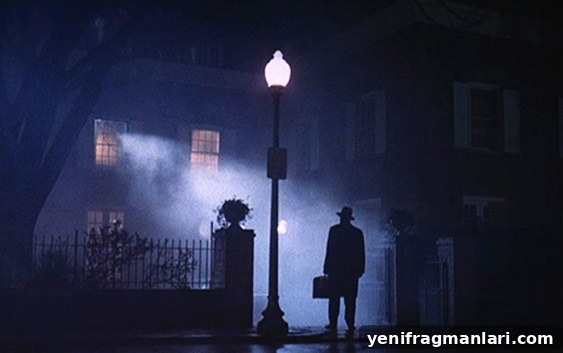
The plot centers on Chris MacNeil (Ellen Burstyn), a successful actress spending time on location in Washington D.C. with her young daughter Regan (Linda Blair). When Regan begins playing with a Ouija board and then exhibits increasingly alarming symptoms—sudden sickness, bizarre behavior, and violent outbursts—medical explanations fail to account for the escalation. After invasive and humiliating medical procedures and psychiatric evaluations yield no answers, Chris reluctantly turns to Father Damien Karras (Jason Miller), a Jesuit priest who is also a trained psychiatrist. Initially skeptical and inclined to interpret Regan’s condition through the lens of mental illness, Karras becomes convinced that something beyond conventional medicine is at work. The church enlists the experience of Father Lankester Merrin (Max von Sydow), an older Jesuit who confronts the malign force in one of cinema’s most iconic sequences: the exorcism itself.
What makes The Exorcist more than just a frightening spectacle is the seriousness with which it approaches its themes. William Peter Blatty’s screenplay, adapted from his novel, treats possession as a concrete and existential threat rather than a mere supernatural gimmick. The film weaves together threads—puberty and loss of innocence, the tension between faith and science, society’s treatment of mental illness, and the struggle between good and evil—without resorting to easy answers or sensationalist camp. The drama feels lived-in and human, and that grounded reality amplifies the horror; when the film’s disturbing moments arrive, they land with an authority and authenticity that still unsettles viewers.
Central to the film’s power are the performances. Linda Blair’s work as Regan moves from the believable, innocent child to a terrifying vessel of malevolence. Although voice work for the demon was supplied by another actor, Blair commits to the physical demands of the role with chilling conviction. Ellen Burstyn delivers a raw portrayal of a mother pushed to the limits of grief, fear, and fierce protectiveness. Jason Miller’s Father Karras undergoes the narrative’s most striking emotional arc, shifting from clinical detachment to personal crisis as he confronts both the supernatural threat and his own doubts of faith. Max von Sydow’s measured presence as Father Merrin provides a counterpoint of experience and spiritual resolve.
Director William Friedkin orchestrates this ensemble with a focus on atmosphere and escalating dread. His pacing favors a slow, accumulating tension that allows character moments to breathe and the film’s moral questions to surface naturally. Friedkin’s insistence on verisimilitude—few films have felt as immediate and real in their depiction of fear—helps sustain the story’s emotional weight. That same commitment to authenticity, however, has a darker side: production stories reveal methods the director used to elicit genuine reactions from performers that, in some cases, caused physical and psychological distress. Accounts of harsh treatment and risky on-set conditions complicate the film’s legacy; while those choices contributed to performances that many still praise, they raise ethical questions about filmmaking practices.
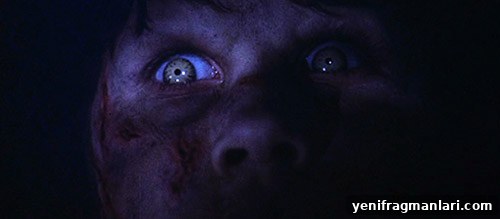
The Exorcist’s technical achievements remain notable as well. From the makeup and special effects that transform Regan into something unrecognizable, to the sound design and score that heighten unease, the film uses craft to serve story and character rather than cheap shocks. The result is a movie that feels more like a tragic human drama invaded by an absolute evil than like a string of genre set pieces. That seriousness—its refusal to wink at the audience—sets it apart from countless imitators and cements its place as an influential work in both horror and mainstream cinema.
As the film approaches its half-century mark, critics and audiences may reassess which modern works frighten most effectively, but The Exorcist’s intelligence and emotional depth make it unlikely to be forgotten. It remains a landmark: a daunting, meticulously constructed film that confronts faith, science, and the limits of human endurance, while delivering some of the most indelible images in horror history.
Score: 24/24
Recommended for you: Max von Sydow: 3 Career-Defining Performances