

Rebel Dykes (2021)
Directors: Harri Shanahan, Sian Williams
Rebel Dykes is the expanded, feature-length version of the 2016 documentary that chronicles a radical lesbian subculture born from the punk scene in 1980s London. Directed by Harri Shanahan and Sian Williams, the film explores how lesbian identity in that era often doubled as a political stance, and how divisions emerged around questions of sexuality, feminism and acceptable sexual expression.
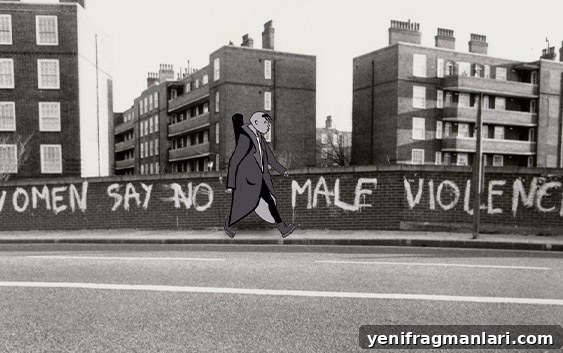
The documentary adopts a collage-like, scrapbook approach: interviews, archival footage, photographs and animation are woven together in a lively, DIY aesthetic reminiscent of homemade zines. This visual style reinforces the subject matter—punk energy, creativity and collective memory—making the film both entertaining and emotionally resonant.
At the heart of the story is the clash between mainstream lesbian activist circles, represented in part by Greenham Common protesters, and the more confrontational punk and SM communities clustered around venues like Chain Reaction. For many featured in the film, Chain Reaction was far more than a fetish club: it was a refuge for women who did not fit prescriptive ideas about lesbian identity or behaviour. That space became a target for groups who argued that sadomasochistic practices replicated patriarchal violence and were therefore incompatible with feminist goals.
The film presents this debate through first-person testimony. Activists such as Lisa Power—known for her work in LGBTQ+ rights—reflect on how concern about male violence morphed into policing sexual behaviour within women’s communities. The documentary shows how efforts to regulate sexual practices created tensions and accusations on both sides: for some, a necessary protection; for others, an intrusive “lesbian sex police.” Writer and poet Roz Kaveney contributes wry commentary on the extremes of those arguments.
Because the narrative is primarily told by participants, the film naturally centers their memories and perspectives. That strength—authentic voices—can also be a limitation. Much of the story is London-focused and occasionally reads as if the experiences it documents were representative of the entire country. Several contributors recount an early 1980s scene with very limited venues, implying that subsequent gains benefited all gay populations equally. The film risks suggesting that forms of street harassment or anti-LGBTQ+ violence have largely disappeared, which may understate ongoing struggles in other places and communities.
The documentary addresses inclusion within the Rebel Dykes scene to an extent: Chain Reaction is celebrated for being trans-inclusive in an era and wider culture that were often trans-exclusive. Still, the film could have embraced broader nuance around sexuality and gender. Bisexual women, in particular, are not always foregrounded in the narrative; at times the film treats encounters with men as exceptions rather than part of a more complex sexual landscape. The Rebel Dykes History Movement itself stresses inclusivity of lesbian and bisexual women—cis, trans or non-binary—but the cinematic narrative sometimes privileges a more narrowly-defined lesbian story.
Despite these shortcomings, the film’s strengths are notable. Humor and joy run through the material; alongside political struggle, the documentary celebrates camaraderie, creativity and pleasure. A playful segment on the introduction of dildos into the scene illustrates how the subjects balance serious activism with irreverence and fun. That balance helps the film avoid being merely polemical and instead honours the lived experience of its participants.
Rebel Dykes also performs an important corrective in LGBTQ+ historiography by centring women’s stories. Lesbian history has often been eclipsed by accounts of male activists whose names became widely known through organisations and public campaigns. While lesbians were not criminalised in the same legal terms as gay men in the UK, their social marginalisation and the threats they faced were very real. This film foregrounds those experiences and preserves a vibrant slice of queer cultural history.
In short, Rebel Dykes is a distinctive, emotionally engaging documentary: visually inventive, politically charged and humanly warm. It may be strongest as a record of a particular community—its contradictions, joys and fights—rather than a comprehensive history of British LGBTQ+ life, but it remains an essential film for anyone interested in queer history, feminist debates and punk-era activism.
19/24