
Ham on Rye (2019)
Director: Tyler Taormina
Screenwriters: Tyler Taormina, Eric Berger
Starring: Haley Bodell, Cole Devine, Aaron Schwartz
Ham on Rye is a quietly original, observant film set in suburbia at the start of summer. Rather than following a single protagonist, the movie traces a loose ensemble of young people over the course of a day, dividing its runtime into two halves that contrast in tone and visual approach. This structure allows the film to linger on little rituals and chances of connection without forcing a conventional plot throughline, making it feel both intimate and open-ended.
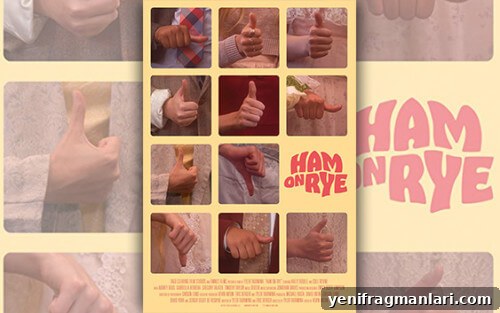
The opening portion of the film hums with life. We meet groups of teenagers preparing for an evening out—dressing in dresses and tuxedos not for prom but for a destination called Monty’s. Some drive, others walk, and much of the drama is domestic and pedestrian: a girl painting her nails, a boy fastening his belt, another man applying body spray. Director Tyler Taormina shoots these moments in close-up, drawing attention to hands, gestures, and the everyday choreography of late adolescence. These images are small but revealing, the kind of visual details that quietly map the characters’ inner worlds and social codes.
Visually, the first half of Ham on Rye is rich with verdant summer landscapes that mirror the liminal state of the characters—caught between the end of high school and the uncertain horizon of adulthood. The film’s production design and costume choices lean toward nostalgia: older cars, retro clothing, and a diner that feels unchanged since the 1950s. A scene where a group of girls reads a letter from an older sister telling them life is “so good” underlines this wistful, slightly elegiac tone. These elements work together to evoke a specific suburban memory, a blend of comfort and wistfulness that is both familiar and carefully observed.
Taormina’s personal stake in the material is evident. The film emerges from his own experiences of growing up in suburbia and thinking about the pressures young people face when deciding whether to leave home. That tension—between moving on and staying put—runs beneath the surface of many scenes. The film resists judgment; it treats each character’s choice with empathy. Even minor figures without lines carry humanity and dignity through their presence on screen. This egalitarian approach to character creates a film where every person feels like an individual with a life beyond the frame.
Although the movie is dense in the sense that it is full of layered observations, it is not complicated. Its clarity is part of its strength: the storytelling is simple, almost meditative, and the pacing allows viewers to absorb texture and mood. The camera’s attention to small acts—touching up makeup, adjusting a jacket, sharing a cigarette—creates a tapestry of suburban rites and rituals. Sound and music choices further support the atmosphere, using familiar period touches to deepen the sense of nostalgia without overwhelming the film’s human focus.
Performances across the cast feel natural and lived-in. Lead and supporting actors alike bring restraint and authenticity, allowing quiet moments to accumulate emotional weight. The ensemble approach means that there is no single “journey” to track; instead, the feeling of the day and the choices each character faces form the film’s emotional center. For viewers who appreciate films that prioritize observation, mood, and the texture of everyday life over plot-driven momentum, Ham on Rye offers a rewarding experience.
Ultimately, Ham on Rye is a film that rewards patience. It invites the audience to notice—hands, faces, cars, old diners—and to feel the quiet tensions of a transitional moment in life. If you favor cinematic works that are subtle in their storytelling and rich in visual detail, Tyler Taormina’s film is well worth watching.
22/24